India's Climate Strategy Overlooks Health, Report Reveals
In a world where the health repercussions of climate change are becoming increasingly evident, a recent global scorecard has placed India in the spotlight. The report, which assesses how countries integrate health considerations into their climate action plans, indicates that India has failed to prioritise health, a critical component in the battle against climate change.
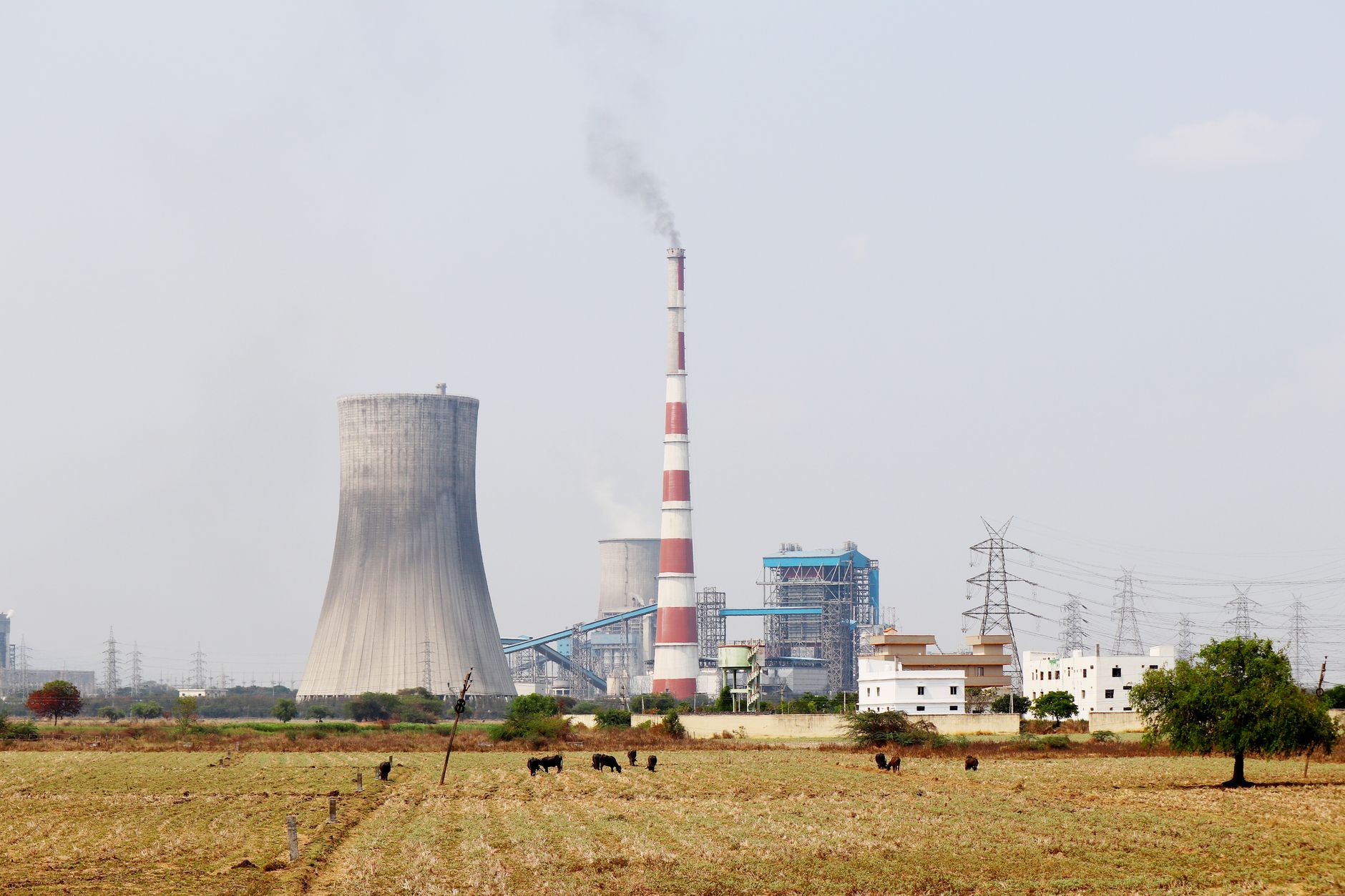
While the Paris Agreement set ambitious targets to keep global warming below 1.5ºC, the link between climate strategies and health remains tenuous in India. Air pollution, a significant contributor to health problems, continues to plague the nation. Yet, the government's climate policies seem conspicuously silent on this front.
The Health-Climate Nexus
Countries like the Philippines are setting examples by creating comprehensive roadmaps that intertwine health and climate policies. Their recent initiative, the Philippine Roadmap on Health and Climate Change, serves as a blueprint for integrating these two critical areas. India's absence of a similar framework raises questions about its commitment to safeguarding public health in the face of environmental challenges.
As the world moves towards more holistic approaches to climate action, India's apparent oversight could have far-reaching consequences. A survey by Climate Fact Checks revealed that Indians are increasingly dissatisfied with the attention their politicians give to climate change issues. Health, a priority for many, seems to be overshadowed by other policy agendas.
What Lies Ahead?
Experts argue that integrating air quality improvements into national climate strategies is not just a necessity but an opportunity. It offers a chance to tackle multiple issues simultaneously—reducing emissions, improving public health, and meeting international commitments. For a country grappling with severe air quality problems, this approach could be transformative.
India's current trajectory suggests a need for policy reform that aligns with global best practices. As nations worldwide demonstrate the benefits of cohesive health and climate strategies, India's challenge is to ensure that its policy decisions reflect the urgent needs of its population. The coming months, leading up to the Lok Sabha Elections in 2024, may well be crucial in shaping how these issues are addressed.