India's Commuting Realities: Students and Two-Wheeler Workers
In a country as diverse and vast as India, the inaugural National Household Travel Survey (NHTS) has unveiled some telling insights into the daily commute of its citizens. Conducted between July 2025 and June 2026, the survey highlights the significant distances travelled by students and the reliance of workers on two-wheelers.
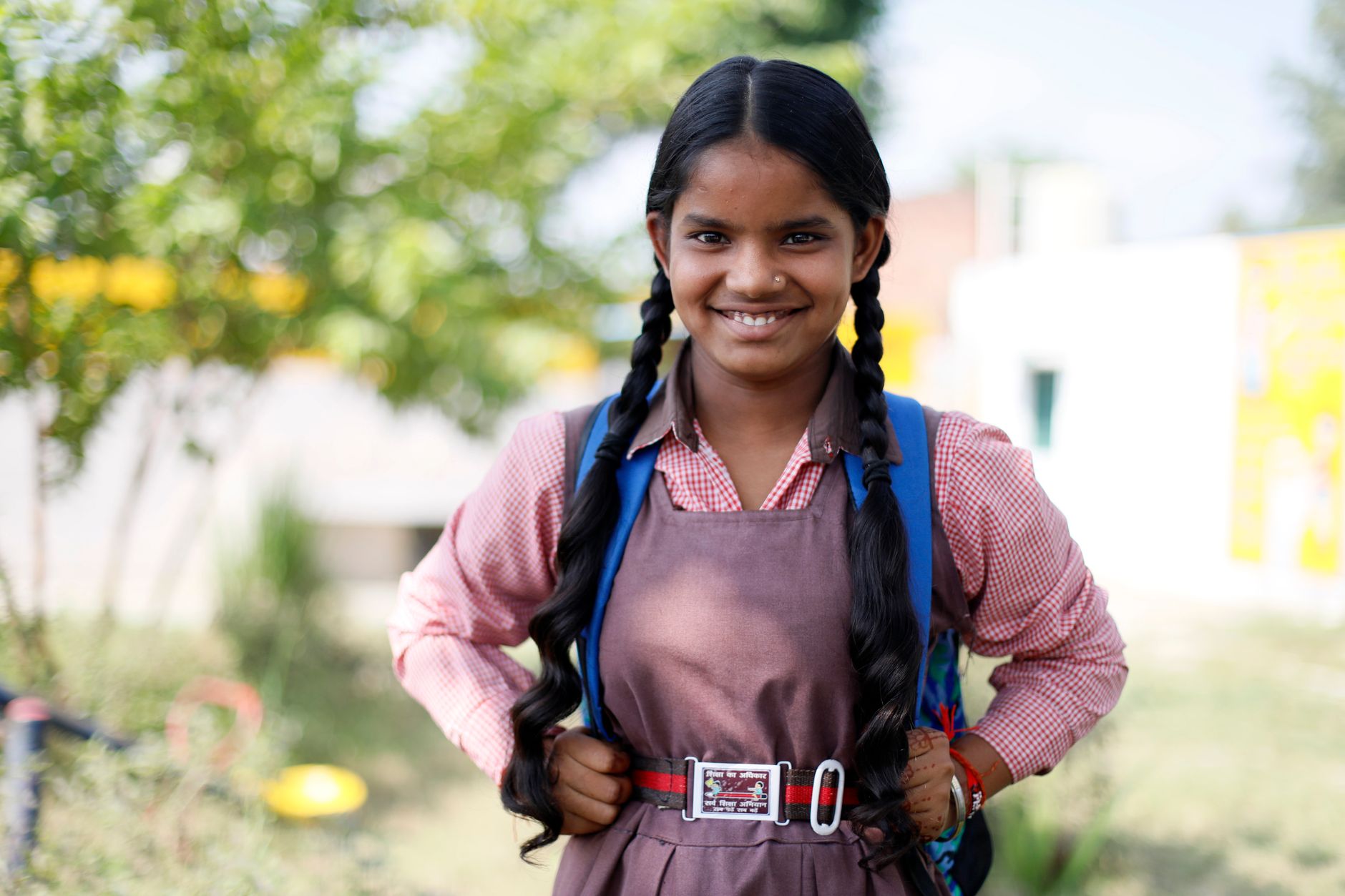
A staggering 66.4% of students cover more than a kilometre each day to reach their educational institutions. This statistic not only underscores the geographical challenges faced by students, particularly in rural areas, but also raises questions about the accessibility of educational facilities. The financial burden of commuting is also apparent, with urban students spending an average of Rs 617 monthly on travel, compared to Rs 361 for their rural counterparts.
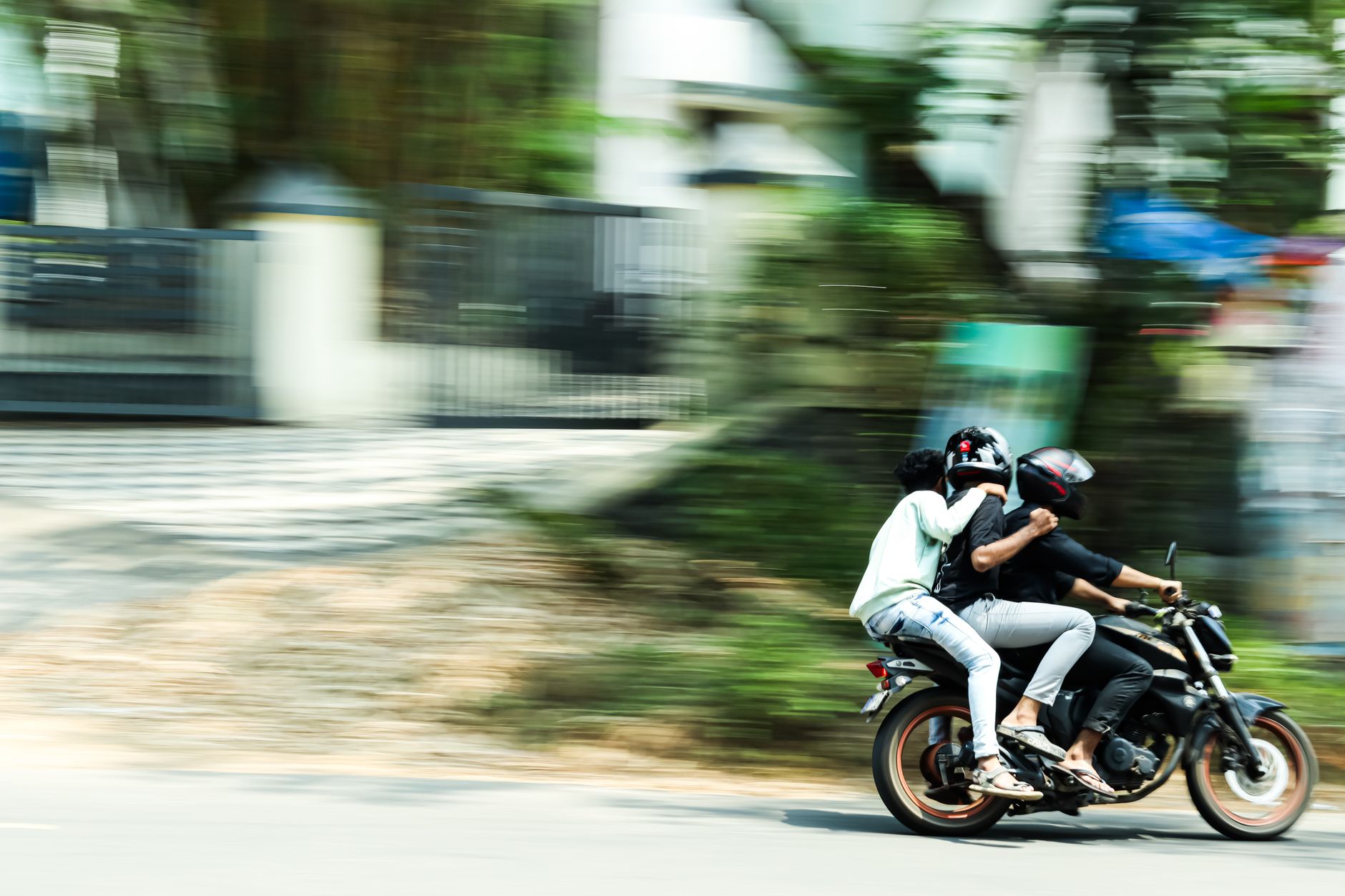
Meanwhile, the survey reveals that two-wheelers are the vehicle of choice for 42.6% of workers commuting to fixed workplaces. This reliance is more pronounced in urban settings, where 52.3% of workers opt for two-wheelers, compared to 37.1% in rural areas. These figures reflect the inadequacies of public transport infrastructure, especially outside major metropolitan regions like Maharashtra and West Bengal, where urban mass transit systems are more developed.
The data paints a vivid picture of the transportation landscape in India, where dependence on personal vehicles remains high due to the lack of comprehensive public transport networks. The implications of these findings are significant, suggesting a pressing need for investment in public transport to ease congestion and reduce the environmental impact of vehicular emissions.
As India continues its journey towards economic development, the challenge remains to ensure that progress is inclusive. Enhancing transport infrastructure could play a pivotal role in providing equitable access to education and employment opportunities, thereby fostering a more balanced socio-economic landscape.