India's Education Revolution: AI and Smart Classrooms
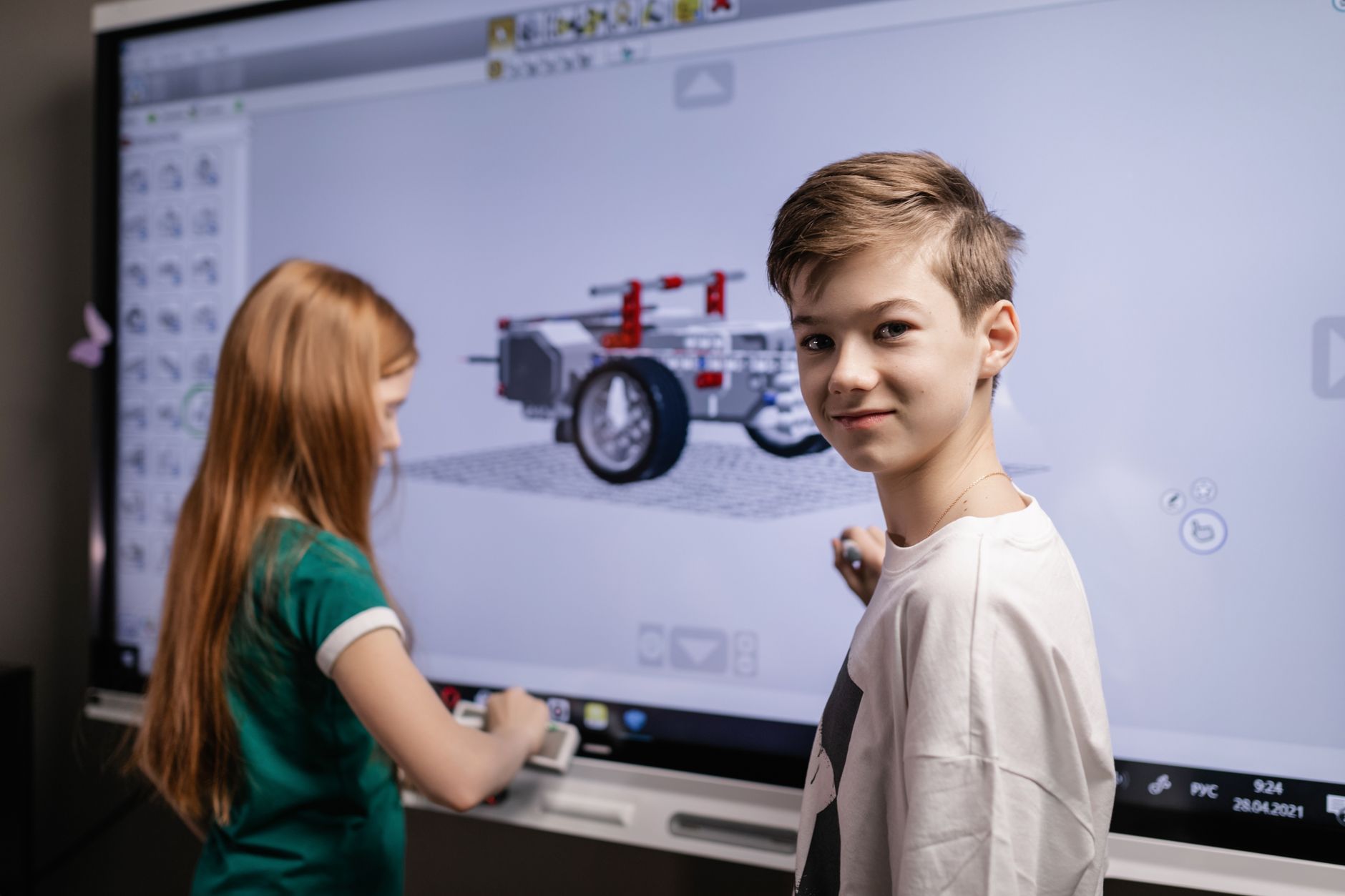
In the bustling corridors of an Indian school, a student stares intently at a smart board, solving equations with the guidance of an AI tutor. This scene, once unimaginable, is now a common sight as India embraces the digital revolution in education.
The traditional chalk and talk method is gradually being replaced by smart classrooms, equipped with advanced digital tools. The rise of Artificial Intelligence (AI) in education isn't just a buzzword; it's transforming how students learn and how teachers teach.
The Role of AI in Personalised Learning
AI is making education more personal. Imagine a student who grapples with a concept during class. With AI-powered tools, they can receive instant, tailored explanations, adapting to their pace and understanding. This not only enhances comprehension but also boosts confidence.
AI technologies, such as DeltaView smart boards, offer real-time feedback and analytics, allowing teachers to identify and address learning gaps promptly. Such innovations ensure that no child is left behind, catering to diverse learning needs.
Challenges and Opportunities
While the promise of AI in education is immense, it is not without challenges. Issues like digital literacy, infrastructure, and equitable access need addressing. In rural areas, where internet connectivity remains a luxury, the benefits of smart classrooms are yet to be fully realised.
Moreover, there are concerns regarding data privacy and the ethical use of AI. As these technologies become more embedded in educational practices, robust frameworks must be developed to safeguard students' information.
Despite these challenges, the integration of AI and smart classrooms signifies a pivotal shift in India's educational landscape. It offers an opportunity to democratise education, making quality learning accessible to all.
As India strides into this new era of education, the focus must remain on bridging the digital divide, ensuring that every student, regardless of their background, can benefit from these technological advancements. In doing so, India not only prepares its youth for the future but sets a precedent for educational innovation worldwide.