India's Electric Mobility Surge: Testing Technology Takes Centre Stage
In the bustling streets of New Delhi, the whirr of electric vehicles (EVs) is becoming a familiar sound. As India strides towards an electrified future, the role of EV testing technology is increasingly pivotal. With the government pushing for cleaner alternatives to fossil fuel-driven vehicles, ensuring the reliability and safety of these new-age transports is paramount.
The government's commitment to electric mobility is evident in its ambitious targets. Policies like the Faster Adoption and Manufacturing of Hybrid and Electric Vehicles (FAME) scheme incentivise both manufacturers and consumers, driving the shift from petrol and diesel to electric. Yet, this transition isn't merely about swapping engines; it requires meticulous testing and certification processes to guarantee performance standards are met.
Testing: A Crucial Component
At the heart of this transformation lies the need for robust testing protocols. EV batteries, the cornerstone of electric mobility, have been under scrutiny following incidents of overheating and fires. These concerns underscore the necessity for stringent quality checks and advanced testing facilities. India is now investing in state-of-the-art testing centres designed to simulate a variety of conditions, ensuring that vehicles can withstand the country's diverse climates and terrains.
Moreover, as EVs gain traction, consumer expectations are evolving. Buyers now demand not just efficiency but also safety and longevity, placing further emphasis on the importance of thorough testing. This is where technology firms are stepping in, offering sophisticated testing solutions that cover everything from battery resilience to software integrity.
Infrastructure: The Missing Piece
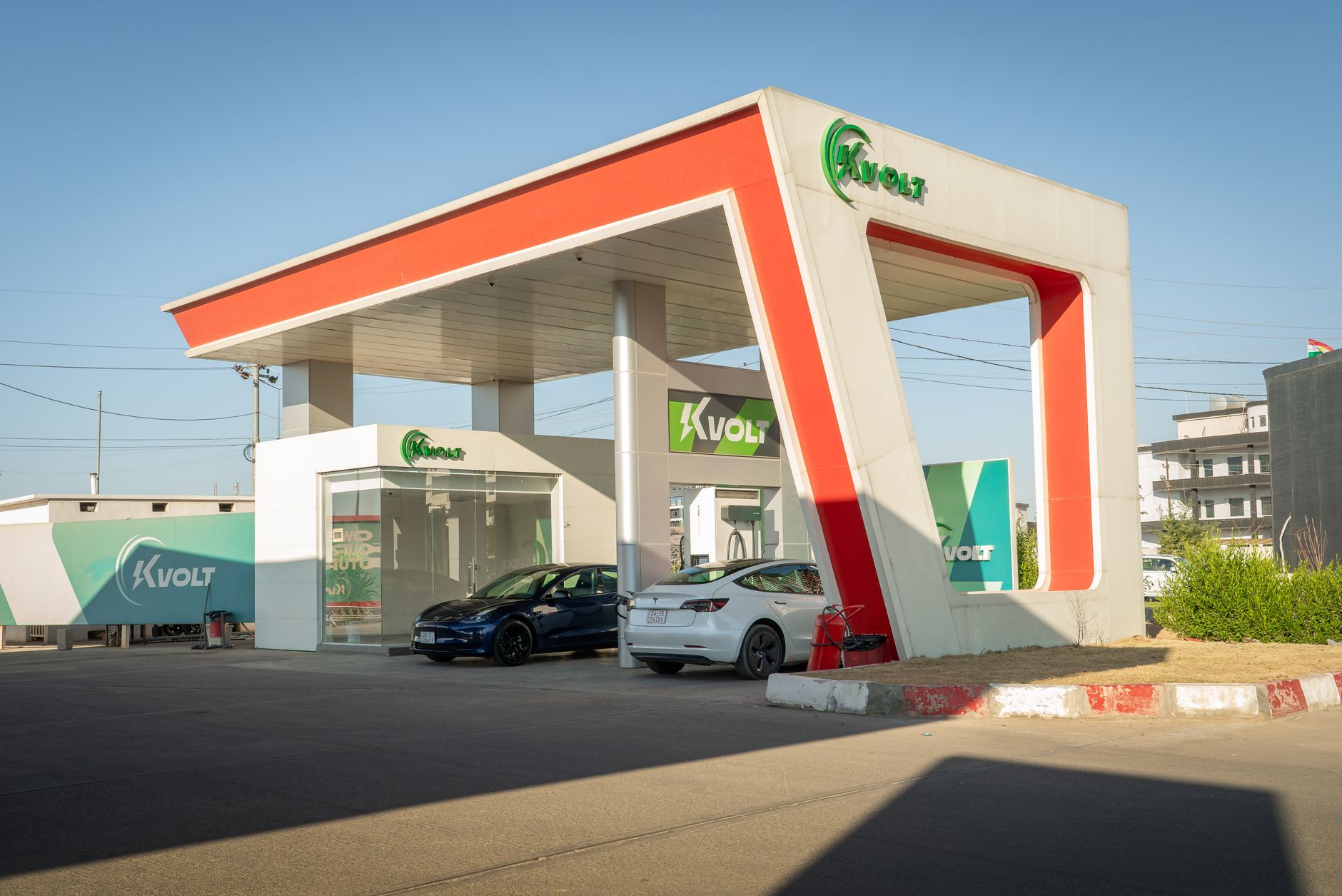
While technology and policy are advancing, the infrastructure to support electric mobility remains a work in progress. Charging stations are cropping up across urban centres, yet rural areas lag behind. The government’s pledge to develop a widespread charging network is crucial, as the success of EVs hinges on their convenience and accessibility.
In conclusion, as India scales its electric mobility ambitions, the importance of EV testing technology cannot be overstated. It is an essential component in building consumer trust and ensuring that India’s roads are populated with vehicles that are not only eco-friendly but also safe and reliable. With the right investments in testing and infrastructure, India is poised to lead the charge in sustainable transportation.