India's Electric Mobility Surge: The Crucial Role of EV Testing
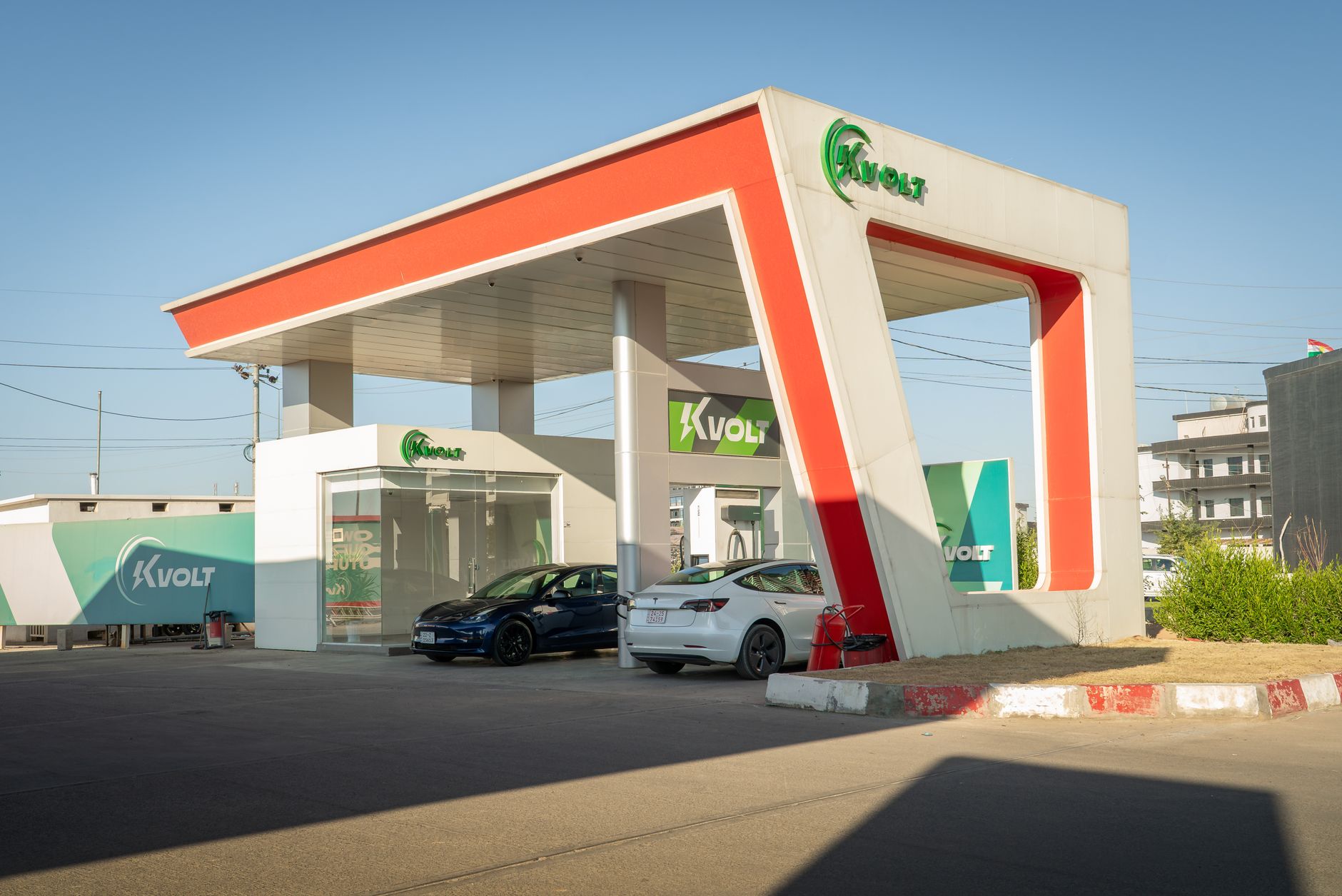
In the bustling streets of Mumbai and the narrow lanes of Delhi, a quiet revolution is underway. Electric vehicles (EVs), once a distant dream for the environmentally conscious, are now weaving their way into the mainstream fabric of Indian transportation. Yet, as the nation races towards an electric future, the importance of robust testing technologies cannot be overstated.
The Transition to Electric
India's commitment to renewable energy is not just a matter of policy but a palpable reality. With the government offering incentives and subsidies, the adoption of electric mobility is no longer a question of 'if' but 'when'. Recent advances in battery technology, coupled with increasing consumer acceptance, have elevated EVs from a niche innovation to a viable choice for the masses.
However, the journey is far from complete. The infrastructure necessary to support this electric revolution remains a work in progress. Charging stations, battery-swapping facilities, and, critically, testing centres are integral to this transition. Without these, the promise of electric mobility could falter, hampered by reliability and safety concerns.
The Imperative of Testing
Testing technologies for EVs have never been more critical. Recent incidents involving substandard batteries highlight the potential risks if rigorous checks are not in place. These incidents have underlined the necessity for stringent quality controls and comprehensive testing protocols.
In response, both the private and public sectors are ramping up efforts. Companies are investing in advanced testing facilities, while government bodies are setting stringent standards to ensure public safety. The focus is not just on preventing accidents but also on building trust among consumers, many of whom are first-time EV users.
Moreover, as startups like MAX expand their operations, they highlight the critical role of infrastructure, including testing, in scaling sustainably. Their efforts to enhance battery-swapping networks underscore the need for robust testing to support a growing EV fleet.
A Future on the Horizon
The trajectory of India's electric mobility journey is set, but its success hinges on the meticulous execution of infrastructure development, particularly in testing technologies. As EVs become a common sight on Indian roads, their reliability and safety will be the benchmarks of success. Ensuring these through comprehensive testing will be crucial.
In the end, the goal is clear: a cleaner, greener future for India. But achieving this vision will require more than just ambition; it demands precision, foresight, and above all, rigorous testing.