India's Emerging Cities: New Job Frontiers Beyond Metros
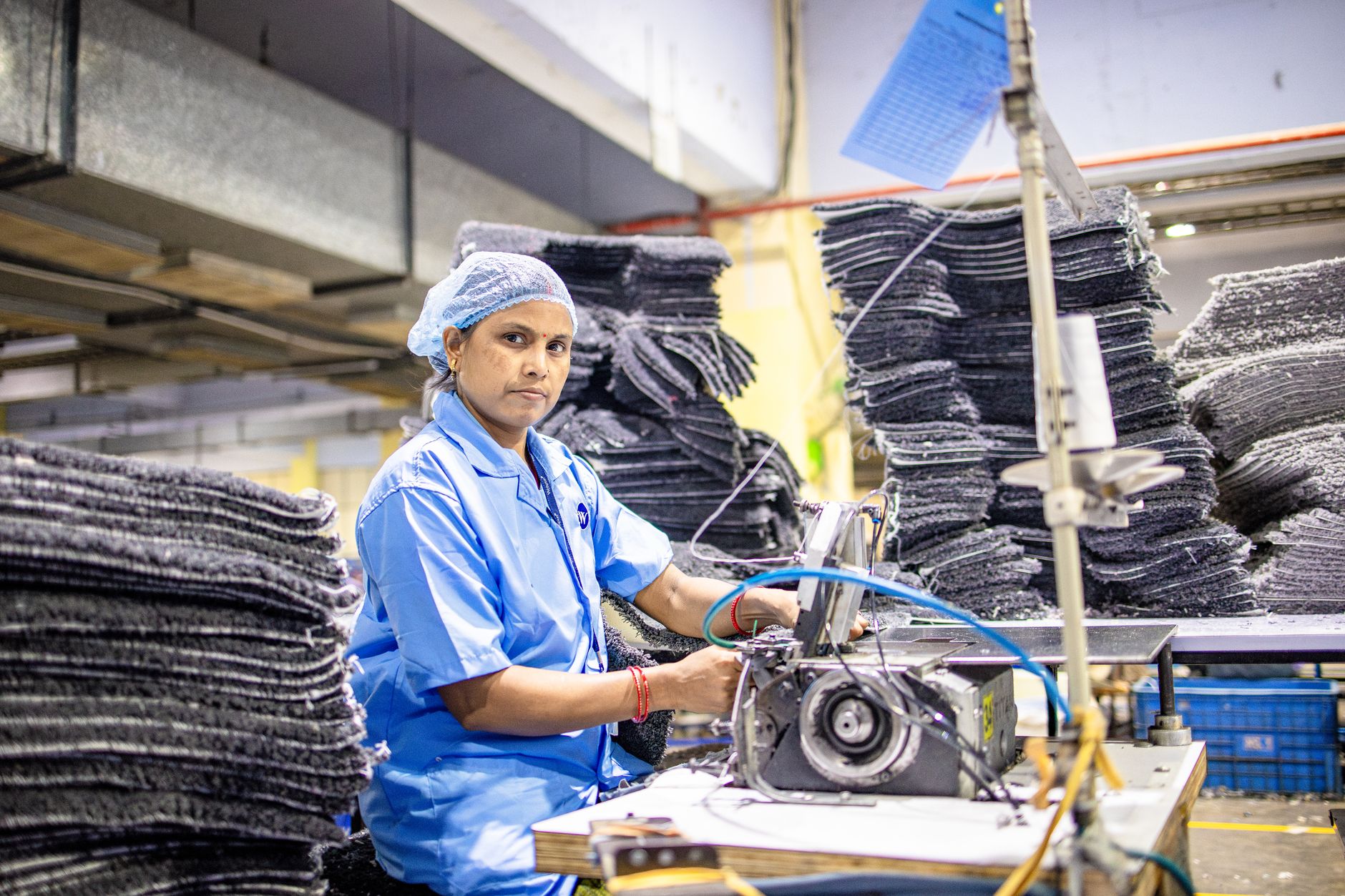
In the bustling landscape of India's employment sector, a quiet revolution is unfolding. While the nation's metropolitan giants like Mumbai and Bengaluru have long been synonymous with career aspirations, a fresh breeze is blowing through the Tier 2 and Tier 3 cities, reshaping the hiring narrative.
According to recent reports, the traditional metro-centric job market is witnessing a palpable shift. The Genius HRTech report highlights a significant 30% increase in hiring from smaller cities over the past two years. This trend is not merely a statistical anomaly but a reflection of deeper structural changes within the Indian economy.
With the ascent of artificial intelligence and digital transformation, companies are broadening their horizons, seeking untapped talent pools in cities such as Coimbatore, Indore, and Pune. The Indeed AI Jobs Tracker corroborates this shift, noting a steady rise in AI-related roles beyond the metros.
Why Smaller Cities?
Several factors contribute to this emerging trend. Firstly, the cost of living and operational expenses in smaller cities are significantly lower than in metropolitan areas, making them attractive destinations for companies looking to optimise costs without compromising on talent quality.
Moreover, the proliferation of digital connectivity and remote working infrastructure has diminished geographical barriers, enabling companies to recruit talent irrespective of their location. This democratisation of opportunity is fostering a more inclusive employment landscape.
The Future of Hiring
While this transformation is still in its nascent stages, the implications are profound. As smaller cities rise to prominence, they are poised to offer fresh graduates and experienced professionals alike a plethora of opportunities. The growth of these cities as employment hubs could also spur local economic development, driving infrastructure improvements and attracting further investment.
For the millions entering the workforce each year, these emerging cities represent not just a change of address but a shift in career trajectory. The narrative of 'moving to the city for a job' may soon transform into 'staying in the city for a career'.
In conclusion, as companies continue to look beyond the established metropolitan centres, India's smaller cities are set to play a pivotal role in shaping the future of employment in the country. This shift not only underscores the dynamic nature of India's job market but also heralds a new era of opportunity for a broader spectrum of the population.