India's Gen Z: A Colossal Force Yet Politically Underrepresented
Amidst the cacophony of India's bustling streets, a silent revolution is taking shape. Generation Z, the cohort born between the late 1990s and early 2010s, is now the world's largest, with India at its epicentre. By 2026, more than 407 million Indians will belong to this demographic, a staggering figure that dwarfs the entire population of many nations.
However, despite their numbers, India's Gen Z does not yet wield the electoral influence one might expect. While they are poised to become a formidable force in shaping the nation's future, their political engagement lags behind their sheer demographic might. The reasons are manifold, ranging from a disillusionment with traditional politics to a lack of representation within political structures.
The Youth Paradox
India, paradoxically, has the world's largest youth population but not the youngest electorate. This paradox arises from various socio-political dynamics. The Election Commission of India (ECI) has made strides in promoting voter participation, yet the turnout among young voters remains tepid. Initiatives by the India International Institute of Democracy and Election Management aim to bolster this engagement, but challenges persist.
Education is one of the key areas where progress is palpable. Over the past two decades, the number of private colleges and vocational institutes has soared, providing Gen Z with unprecedented educational opportunities. Yet, translating this educational capital into political engagement requires more than just access to education.
Engagement and Disillusionment
For many young Indians, the appeal of political participation is marred by a perceived disconnect between political elites and the issues that matter most to them. Climate change, digital rights, and social justice rank high on their list of concerns, yet these topics often receive scant attention in electoral manifestos.
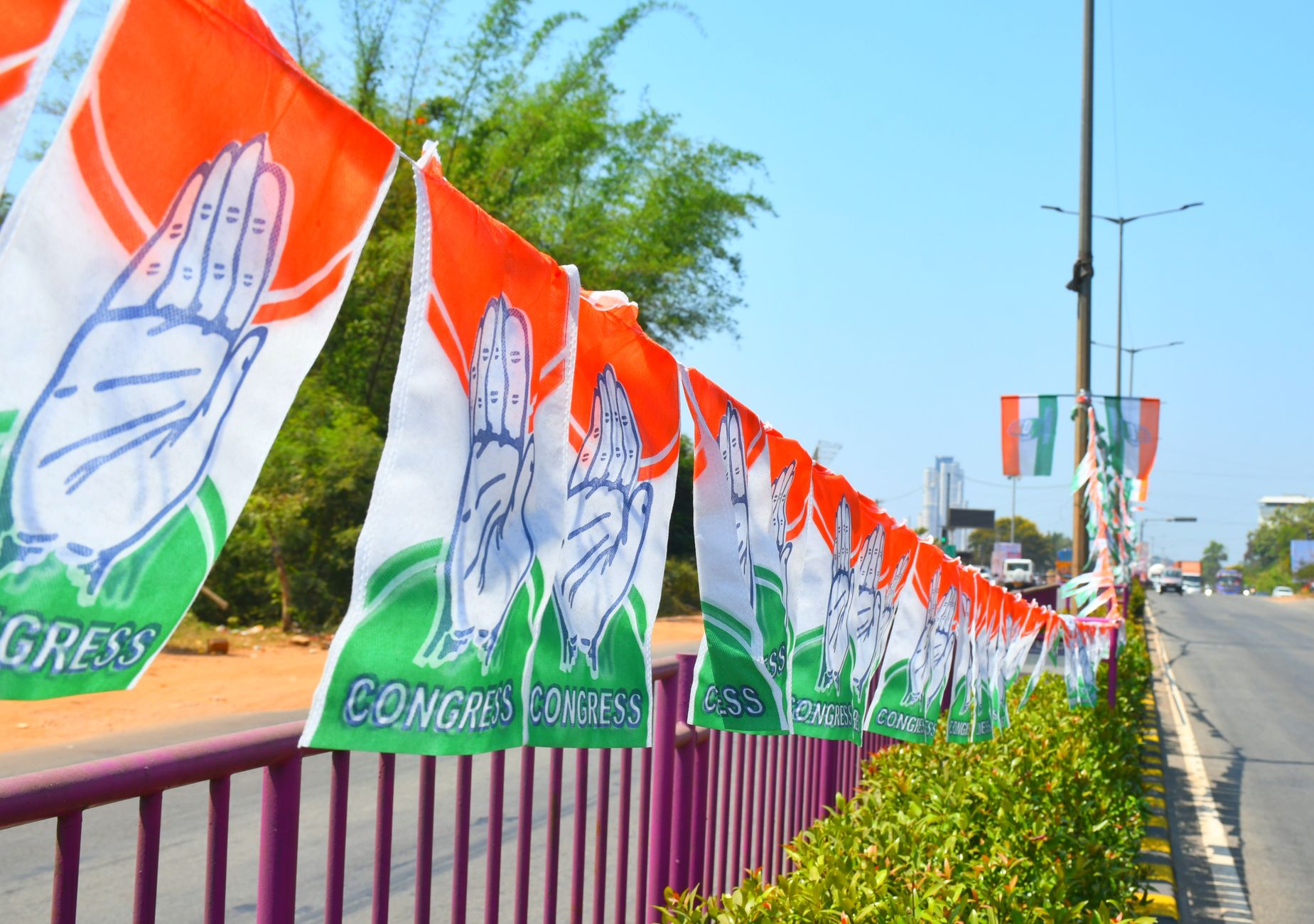
As India gears up for state elections next year and a national vote by 2029, the country's most powerful political party faces the early test of engaging this vast cohort of first-time voters. Whether they can bridge the gap between rhetoric and reality remains a pivotal question.
The onus is not just on politicians but also on Gen Z themselves to harness their collective voice. Social media provides a potent platform, yet its ephemeral nature means that sustained engagement is crucial. As this generation comes of age, their potential to redefine India's political landscape cannot be underestimated.