India's Low Climate Action Score: A Health Time Bomb?
As the world grapples with the mounting threat of climate change, India's recent low score in a global climate action assessment raises pointed questions about the nation's commitment to safeguarding public health. With the spectre of climate change looming large, the implications for India's population could be profound.
Climate change is not a distant threat; it's a present danger that undermines the very foundation of public health. Clean air, safe drinking water, and sufficient food supply are all at risk. As fossil fuel emissions continue to alter the chemistry of our atmosphere, they exacerbate the greenhouse effect, trapping heat and contributing to global warming.
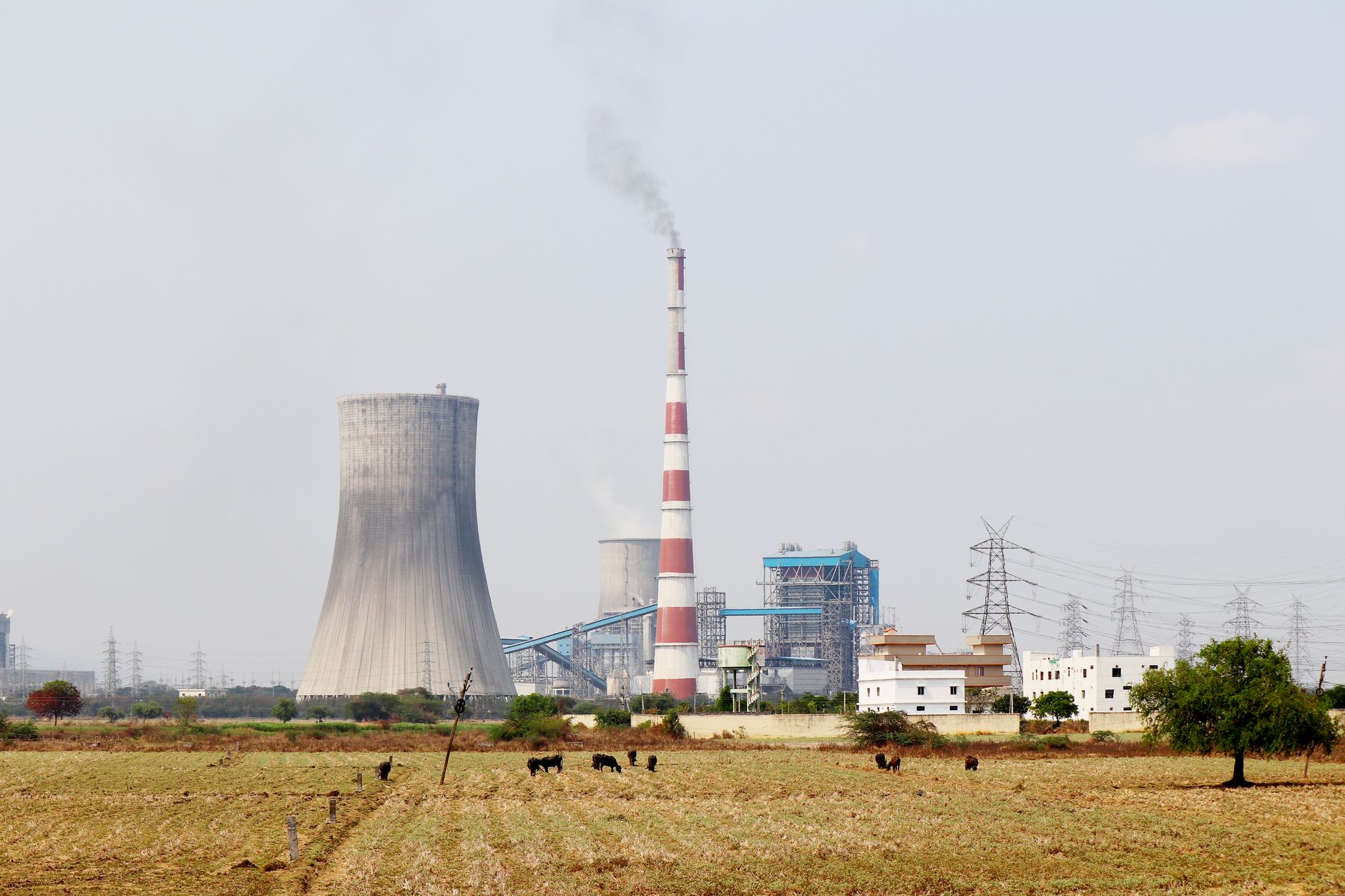
India, a nation with a burgeoning population and rapid industrialisation, finds itself at a critical juncture. The country's reliance on coal and other fossil fuels has led to increased emissions, contributing significantly to global warming. Yet, despite these challenges, the country has been slow to implement effective climate policies.
Health at the Heart of Climate Change
Climate change threatens to undermine decades of progress in global health. As temperatures rise, so does the incidence of heat-related illnesses. Rising sea levels and extreme weather events displace communities, creating conditions ripe for the spread of infectious diseases.
In India, the impacts are already visible. The country frequently contends with severe air pollution, which the World Health Organization has linked to respiratory and cardiovascular diseases. Water scarcity, exacerbated by changing weather patterns, further jeopardises public health, increasing the risk of waterborne diseases.
With the COP summits continually emphasising the urgency of building climate-resilient health systems, India must consider how to adapt its healthcare infrastructure to cope with these emerging challenges.
A Call for Action
The need for action is clear. India's current trajectory is unsustainable, and without significant changes, the health of millions hangs in the balance. Policymakers must prioritise the transition to renewable energy sources, reducing reliance on fossil fuels and cutting emissions.
Furthermore, public awareness campaigns educating citizens about the health impacts of climate change are crucial. Empowering individuals to take small, impactful steps—such as reducing energy consumption and supporting sustainable practices—can collectively make a difference.
The global climate crisis is a shared responsibility, and India's role is pivotal. As the nation seeks to improve its climate action score, the health of its citizens should be at the forefront of these efforts. The time for decisive action is now, before the toll on public health becomes irreversible.