India's Overheated Nights Test Power Systems and Health
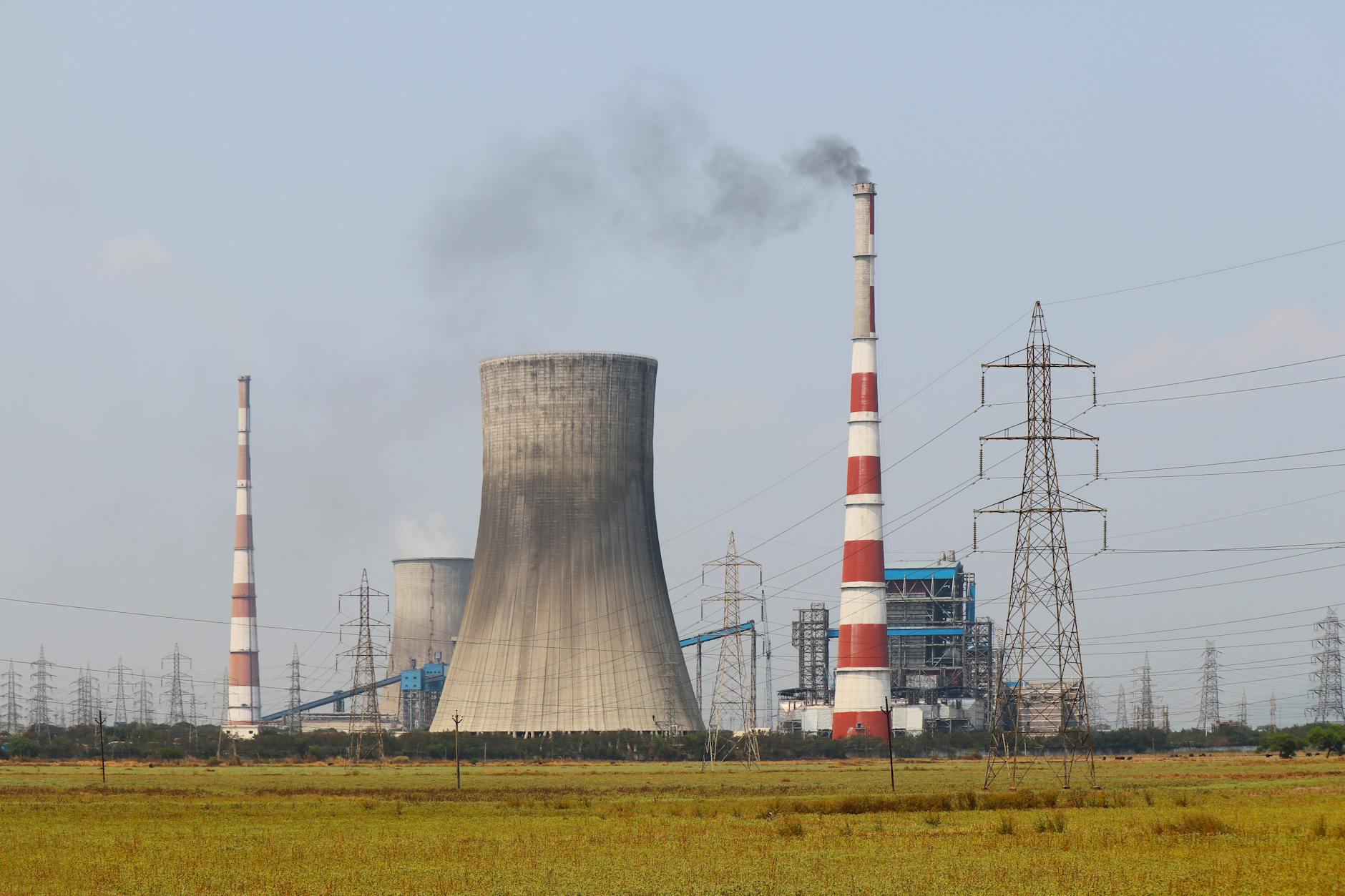
As the sun sets over India, the heat refuses to relent. The nights, once a respite from the sweltering days, now offer little relief. This disturbing trend of rising nighttime temperatures is not just an atmospheric anomaly but a pressing public health concern and a stress test for the nation's power infrastructure.
For years, India's scorching summer days have been a familiar adversary, but now the cloak of night brings its own challenges. The average minimum temperatures have been climbing over the past decade, with the months of March to May becoming particularly unbearable. This shift is attributed to global warming and the urban heat island effect, where concrete jungles trap heat, preventing any cooling.
The Energy Conundrum
The ramifications for the country's power grid are profound. Traditionally, energy demand in India peaked in the afternoons, tapering off as the evening coolness set in. However, the persistence of high temperatures through the night has led to a paradigm shift. Air conditioners and fans, previously switched off after sunset, now run well into the early hours, driving up electricity consumption to unprecedented levels.
This continuous demand has resulted in frequent power outages, particularly affecting vulnerable populations who are less equipped to cope with such disruptions. Rural areas and urban slums, often lacking robust infrastructure, bear the brunt of these blackouts.
Health Implications
Beyond the immediate discomfort, these rising temperatures pose significant health risks. Heat stress, dehydration, and heat-related illnesses are on the rise, with healthcare facilities struggling to keep pace. The elderly, children, and those with pre-existing health conditions are particularly at risk, prompting calls for urgent public health interventions.
Experts warn that without comprehensive planning and adaptation strategies, India could face severe repercussions. Investments in sustainable urban planning, renewable energy sources, and public awareness campaigns are crucial to mitigate the impacts of this climatic shift.
As India stands on the cusp of potential climate crises, the need for resilient infrastructure and proactive governance has never been more urgent. The sweltering nights are more than just a symptom of global warming; they are a clarion call for change.