India's Poorest Workers Grapple with Extreme Heat and Wage Losses
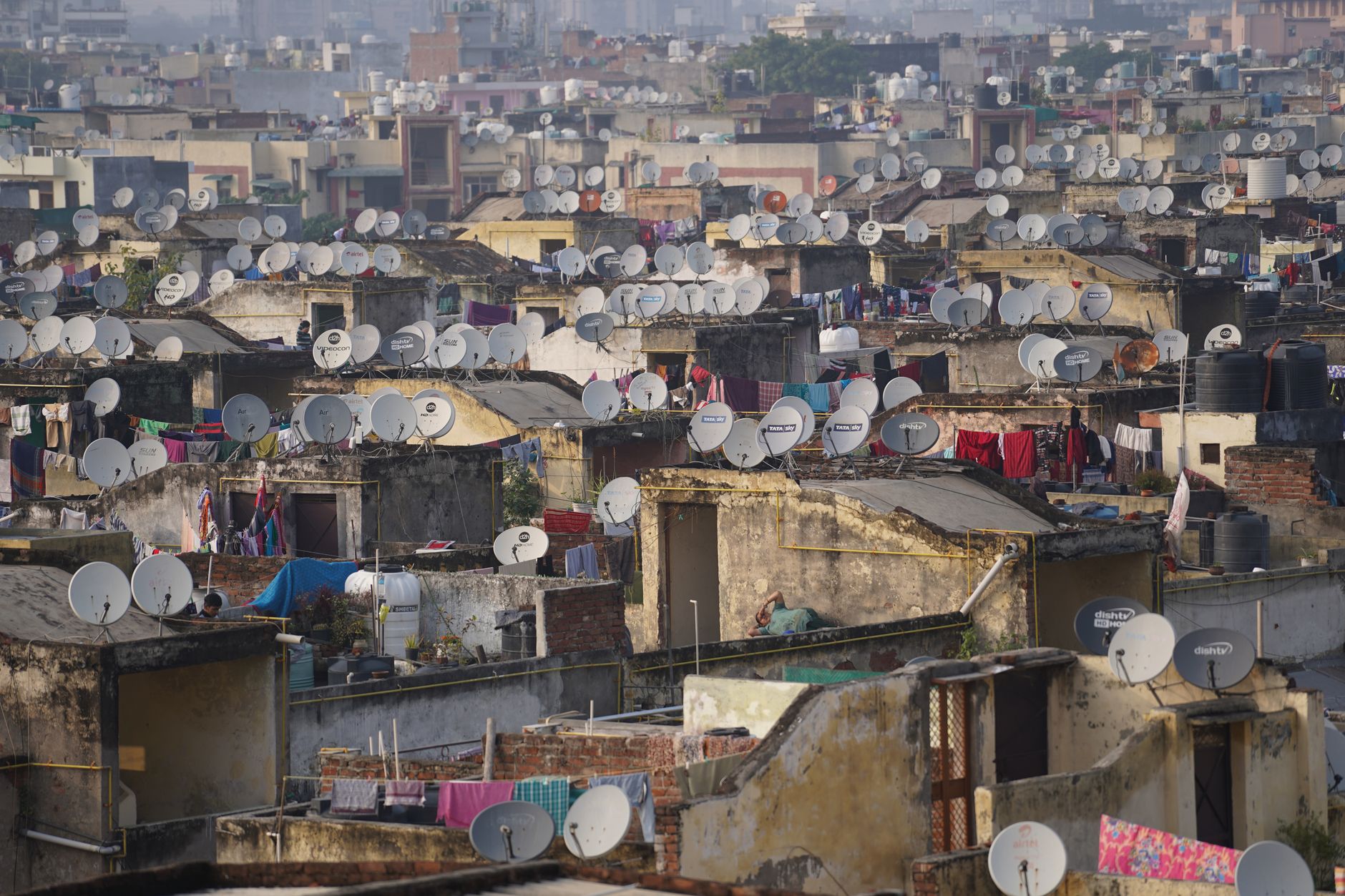
As the sun blazes mercilessly down on the dusty streets of India, the nation's poorest workers find themselves in a losing battle against the elements. Ram Singh, a construction worker in Delhi, describes his daily ordeal: "When I get home, my whole body aches." For Singh and many like him, the extreme heat is not merely a discomfort but a threat to their very livelihood.
According to recent research conducted by the International Institute for Environment and Development, outdoor workers in India are facing income losses of up to 9% due to the sweltering temperatures. This 'poverty multiplier', as researchers have termed it, exacerbates the already precarious financial situations of these workers, pushing them further into the depths of poverty.
India's vast workforce, particularly those engaged in construction, agriculture, and manual labour, is acutely vulnerable. The combination of unrelenting heat and physically demanding work creates an environment where health risks are omnipresent. Dehydration, heat strokes, and chronic fatigue are just some of the ailments that plague these labourers.
Economic Implications
The economic repercussions are significant. With reduced productivity comes decreased earnings, and for families already living on the edge, even a small dip in income can have catastrophic consequences. The situation is compounded by the lack of social safety nets and healthcare access, leaving workers to fend for themselves.
Experts have pointed out that climate change is likely to worsen these conditions, making it imperative for policymakers to address the issue. Initiatives such as providing shaded workspaces, ensuring access to clean drinking water, and implementing heat action plans could mitigate some of the risks.
A Call for Action
While the government has started to acknowledge the crisis, tangible actions are urgently needed. NGOs and local organisations are stepping in where they can, but the scale of the problem demands a coordinated national response.
For now, workers like Ram Singh continue to toil under the sun, their bodies aching and their pockets lighter. The extreme heat is more than just a seasonal anomaly; it is a clarion call for change that cannot be ignored.