India's Quest to Curb Exam Leaks: Lessons from Abroad
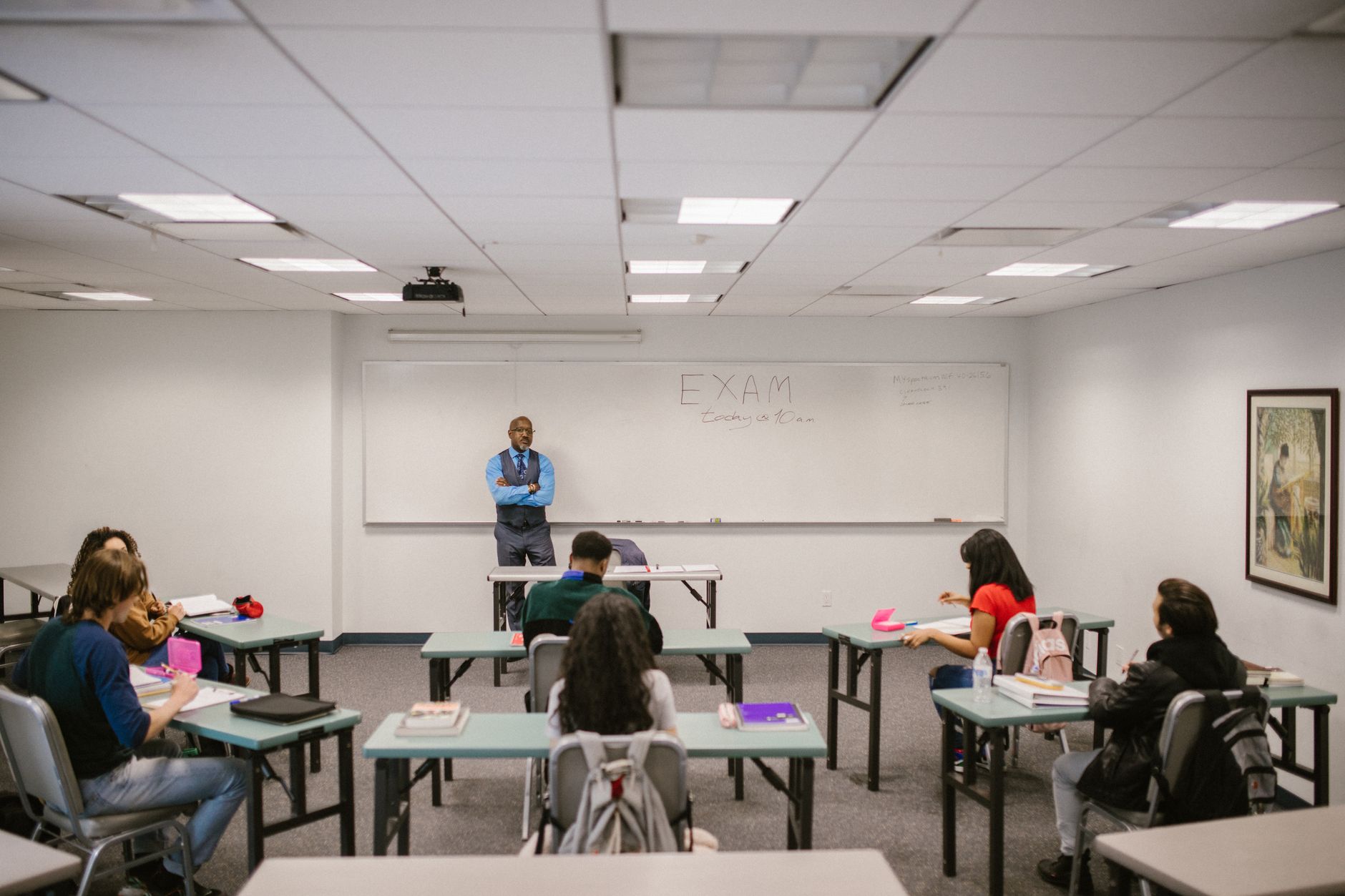
The spotlight on India's examination system is brighter than ever, as recent paper leaks have cast a long shadow over its integrity. Despite the government's robust legislative framework, including the 2024 Act and the more recent 2026 Bill, the problem persists, threatening the credibility of public examinations. This persistent issue has prompted a search for solutions beyond India's borders.
Experts suggest that India should not look for a silver bullet in the form of a single technology but instead adopt a more holistic approach. The fundamental principle is simple yet profound: reduce the value of a single leak. Countries like Finland have employed decentralised examination systems, which distribute the risk and lessen the impact of any one breach.
Global Lessons in Examination Security
In Finland, for example, the use of multiple versions of exam papers, coupled with digital platforms that allow for real-time monitoring and randomised question selection, has been effective. These measures ensure that even if one paper is compromised, the overall examination remains secure.
South Korea, on the other hand, employs a rigorous chain of custody for examination papers, with strict penalties for breaches. This system not only protects the papers but also deters potential leaks through fear of severe consequences.
A Cultural Shift in Approach
President Droupadi Murmu has emphasised the need for transparency and trust within the examination system, recognising students as the architects of India's future. However, achieving this vision requires more than just legislative measures; it necessitates a cultural shift towards valuing integrity over shortcuts.
The Central Bureau of Investigation's recent arrests in connection with the NEET UG paper leak highlight the pressing need for change. While these arrests address the aftermath of a leak, they do little to prevent future occurrences. Structural changes are needed to prevent such incidents from happening in the first place.
As India continues to grapple with this issue, the focus must shift to creating an examination system that is resilient to leaks and adaptive to change. By learning from international practices and integrating them into a uniquely Indian context, the country can hope to restore faith in its examination system.