India's SHANTI Act Draft: Foreign Nuclear Tech Faces Stringent Scrutiny
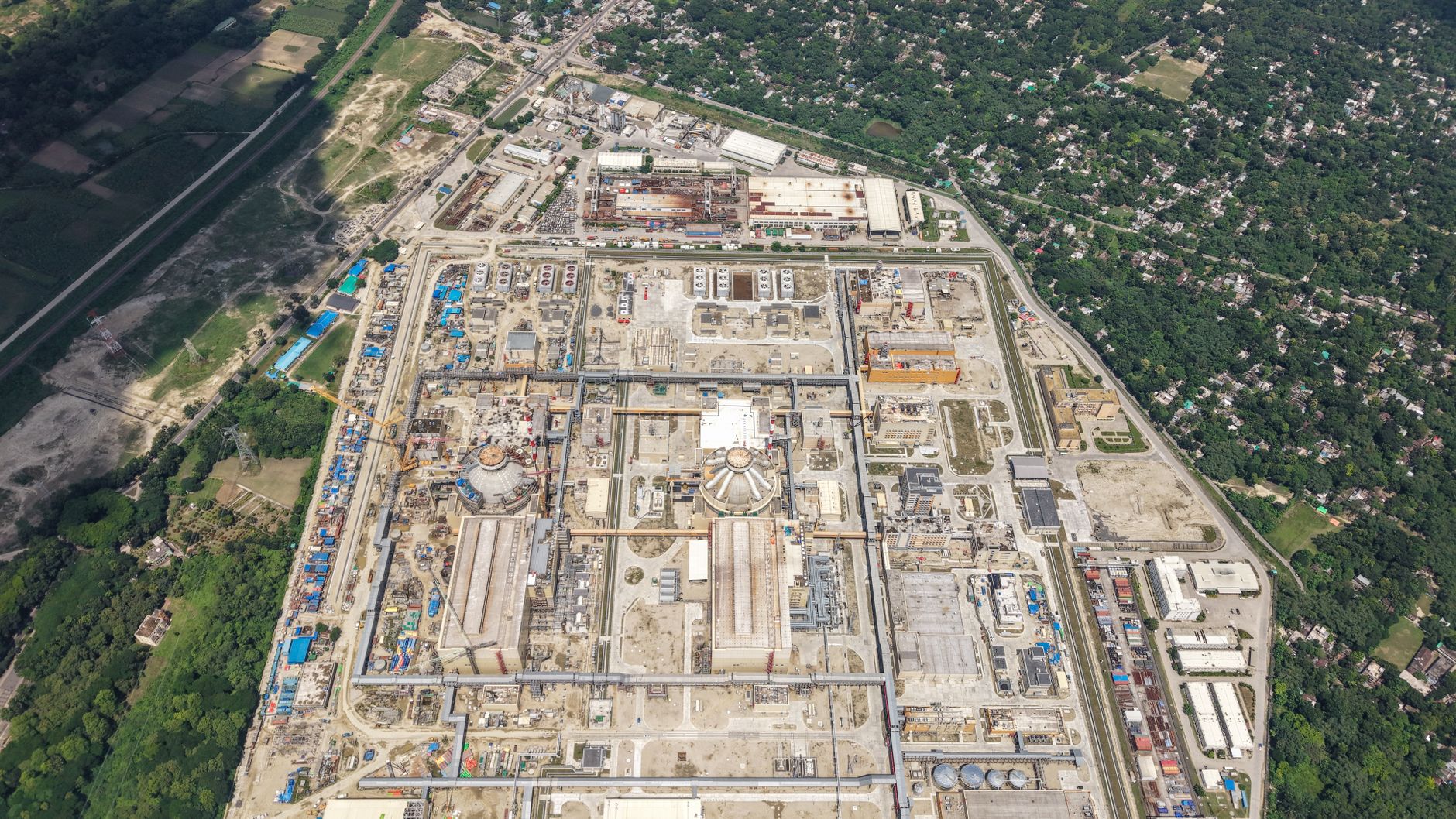
India's pursuit of nuclear expansion has taken a decisive turn with the introduction of the draft rules under the SHANTI Act. As the nation sets its sights on ramping up nuclear power capacity to an ambitious 100 gigawatts by 2047, the draft rules demand a meticulous vetting process for foreign nuclear technologies. These technologies must receive certification from regulatory bodies in their country of origin, ensuring that only tried-and-tested designs are considered.
The SHANTI Act, an acronym for Sustainable Harnessing of Atomic Nuclear Technology Initiative, represents a significant shift in India's nuclear policy. By allowing private sector involvement and compressing the project approval process into a singular composite licence, the act aims to accelerate the country's nuclear ambitions. However, the draft rules impose strict conditions on technology sourcing, limiting it to a select group of trusted countries.
Private Sector Participation
In a landmark move, the act opens the nuclear sector to private players, a step that could transform the landscape of power generation in India. Yet, this opening comes with strings attached. The technology must not only be certified but also operational in at least one foreign location, underscoring the importance of safety and reliability in nuclear operations.
This development has stirred interest among industries such as aluminium and cement, which are keenly observing the potential for reduced energy costs and stable power supply. Meanwhile, AI technology firms are eager to leverage nuclear advancements for improved computational efficiency.
Challenges of Implementation
While the draft rules are open for feedback until early September, the pathway to implementation is fraught with challenges. The act consolidates regulatory frameworks but simultaneously vests intellectual property rights with foreign developers. This could potentially limit India's domestic capabilities in nuclear reactor design and innovation.
The draft rules, therefore, balance the act of opening the sector with the need to safeguard national interests. As consultations proceed, stakeholders must navigate the complexities of international collaboration while ensuring that India's nuclear trajectory remains secure and sustainable.