India's Sports Authority Struggles with Coach Vacancies
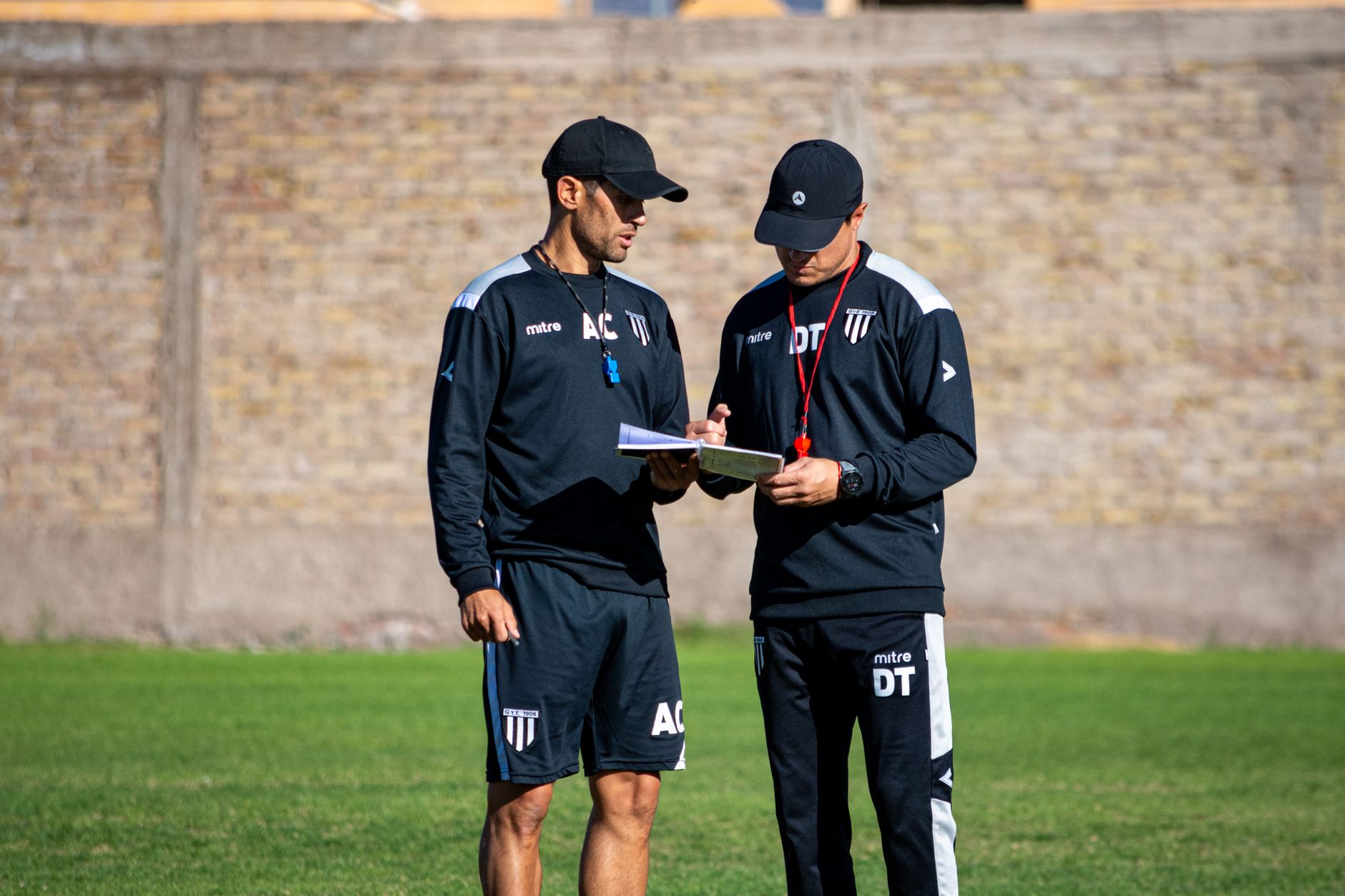
The Sports Authority of India (SAI) finds itself in a predicament. With 554 coaching vacancies looming large, this deficit is more than just a number; it's a reflection of the structural challenges plaguing India's sports development.
Sports Minister Mansukh Mandaviya, speaking in the Rajya Sabha, laid bare the scale of the problem. Despite substantial investments in coach training and development, the empty posts remain a significant impediment. 'We have spent over ₹8.5 crore in the past five years on coach training, yet vacancies persist,' Mandaviya remarked.
Root Causes and Implications
At the heart of the issue lies the mismatch between training investments and tangible outcomes. Critics argue that while financial resources are ample, systemic inefficiencies and bureaucratic hurdles have hampered progress. The absence of qualified coaches not only affects athletes' performance but also stifles grassroots development.
Moreover, Mandaviya highlighted increased anti-doping efforts as a priority. With the spectre of doping scandals haunting global sports, India is keen to bolster its defences. This includes more frequent dope tests and advocating for stricter penalties.
Financial Aid to Football
In a bid to uplift football, Mandaviya detailed the financial support extended to the All India Football Federation (AIFF) over the past five years. The sport, despite its popularity, has struggled with governance issues and funding shortfalls.
The government's commitment reflects a broader strategy to elevate India’s sporting prowess on the world stage. However, without addressing the coaching vacuum, such initiatives risk falling short of their potential.
As India aspires to become a sporting powerhouse, the resolution of these coaching vacancies is paramount. Without strategic intervention, the vision of nurturing future Olympians may remain just that—a vision.