India's Strategic Leap into Lunar Research with NASA
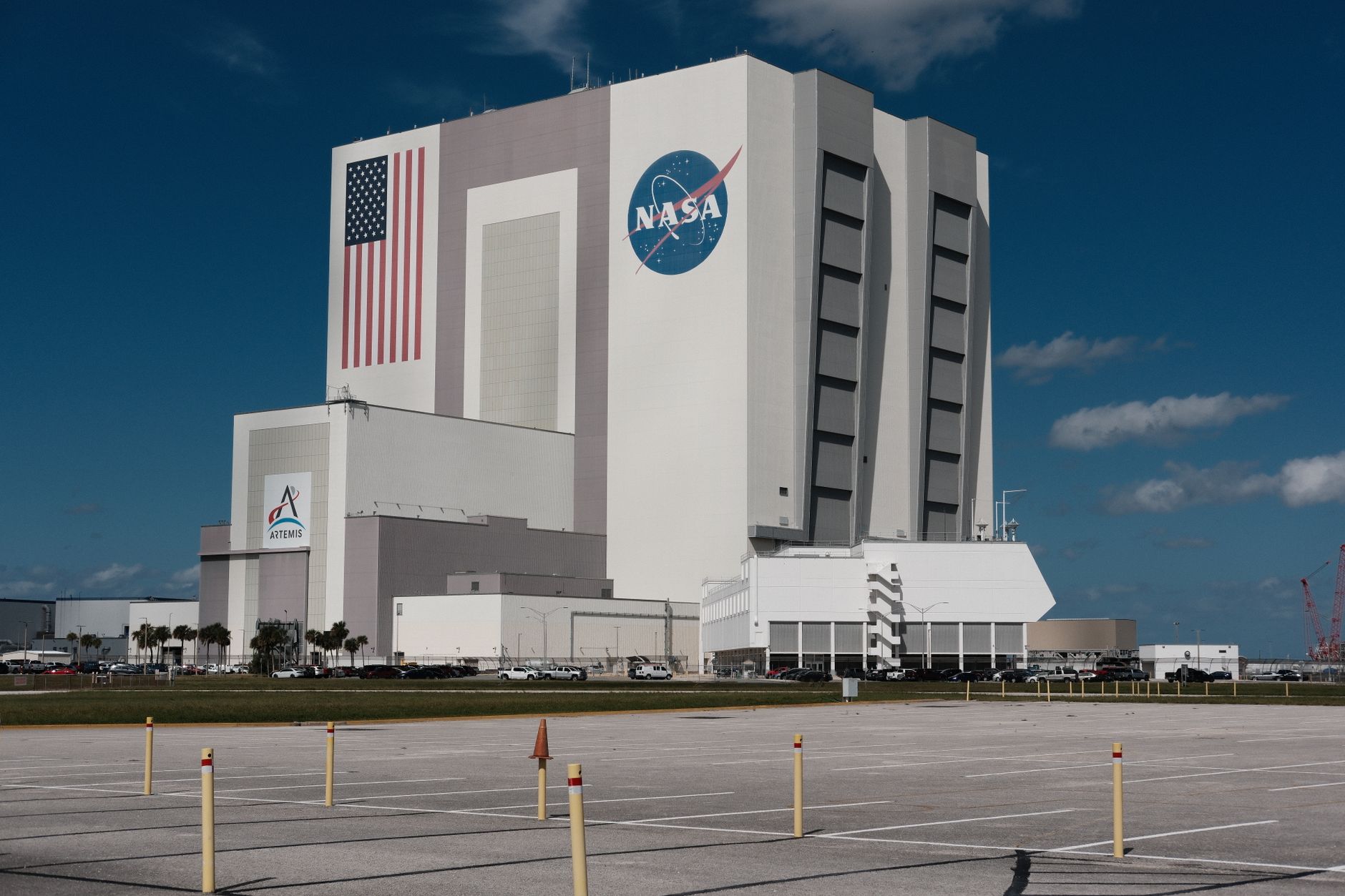
When India's space agency, ISRO, received an invitation to join NASA's Moon Base programme, it wasn't just another diplomatic outreach. It signalled a potential paradigm shift in India's approach to space exploration. Historically, India has trodden cautiously in the arena of international space collaborations, often choosing self-reliance over partnerships. However, the allure of the Moon Base programme and the broader Artemis Accords appears to have provided a compelling reason to rethink this stance.
The Moon Base programme, part of NASA's ambitious plan to establish a permanent research station on the lunar surface, promises to be a game-changer for participating nations. For India, aligning with this programme could mean a substantial leap forward in its space capabilities. The opportunity to collaborate with NASA could provide ISRO with access to cutting-edge technology, crucial for its aspirations of advancing human spaceflight and deeper lunar exploration missions.
Beyond the technological benefits, the partnership may enable India to share the immense financial burden that comes with ambitious space missions. The cost of independently developing and deploying technologies for lunar and Martian exploration is prohibitive, even for established space powers. Partnership under the Artemis Accords allows for shared resources and knowledge, potentially easing the financial strain on ISRO.
Strategic Implications
India’s decision to participate in the Moon Base programme also holds strategic geopolitical significance. By joining this US-led initiative, India could strengthen its ties with the United States, a relationship that has seen its share of ups and downs in recent years. This collaboration not only enhances diplomatic ties but could also position India as a key player in the new space race.
Moreover, the programme's focus on the lunar South Pole, a region believed to be rich in water ice, aligns with ISRO's interest in resource utilisation on the Moon. Water ice could be vital for sustaining human presence and could potentially be converted into rocket fuel, thus facilitating further space exploration.
Challenges and Opportunities
While the prospects are promising, ISRO must tread carefully to ensure its own strategic goals aren't overshadowed by this international cooperation. It's crucial that India maintains its autonomy in space exploration while benefiting from the collaboration. The challenge lies in balancing these dual objectives — advancing through collaboration while preserving independent capabilities.
In conclusion, India's potential involvement in NASA's Moon Base programme could mark the beginning of a new era in its space exploration journey. The collaboration offers not only technological and strategic benefits but also the possibility of a strengthened position on the global space stage. For ISRO, this is an opportunity to leapfrog into the future of space exploration, albeit with careful navigation.