India's Strategic Response to Global Choke Points
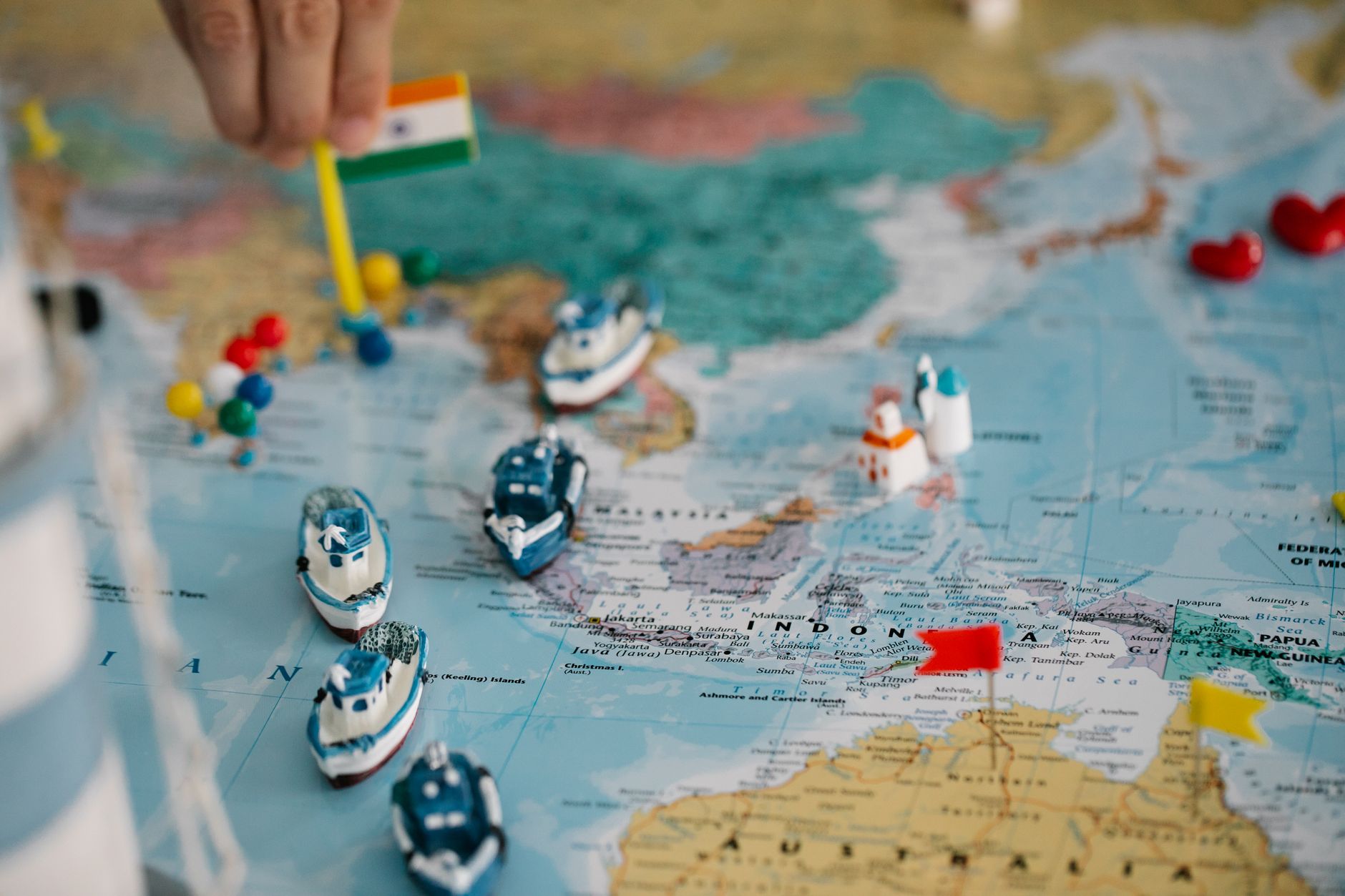
In a world increasingly defined by geopolitical turbulence, India's External Affairs Minister, S Jaishankar, has offered a candid assessment of the nation's position amidst global 'choke points'. These are strategic passages such as straits and maritime corridors that, if blocked, could severely impact trade and military operations.
Speaking at a recent forum, Jaishankar pointed to the Indian Ocean as a critical area where India's strategic interests are deeply embedded. With the rise of geopolitical tensions, particularly involving the world's major powers, the Indian Ocean has become a theatre of both economic opportunity and potential conflict.
Jaishankar's remarks come at a time when global alliances are under strain. He noted an 'erosion of alliances' and a noticeable shift of powerful nations opting for unilateral actions rather than multilateral cooperation. This tendency poses a challenge for middle powers like India, which rely on stable international partnerships for security and economic growth.
India's Strategic Calculus
India, according to Jaishankar, is poised to leverage its geographical and political position to navigate these troubled waters. The country's investment in regional development and strong military presence is part of a broader strategy to secure its interests in the Indian Ocean.
Moreover, Jaishankar emphasised the importance of counterterrorism in India's foreign policy, highlighting that the country's concerns about terrorism are not just regional but have wider global implications. As a nation that has been on the receiving end of cross-border terrorism, India's advocacy for a united global front against terrorism is both a strategic necessity and a moral stance.
Global Interdependence and Power Dynamics
The current global landscape is one of competition and interdependence. With powerful countries like the United States and China often at odds, nations like India find themselves in a delicate balancing act. Jaishankar's call for a more inclusive and cooperative international order echoes India's historical position of non-alignment but with a modern twist.
As the world grapples with new realities, India's leadership in fostering regional stability and advocating for equitable global governance could prove pivotal. Jaishankar's insights underscore the need for diplomatic agility and robust defence strategies to ensure India remains a key player on the global stage.