India's Students and Workers on the Move: National Travel Survey Insights
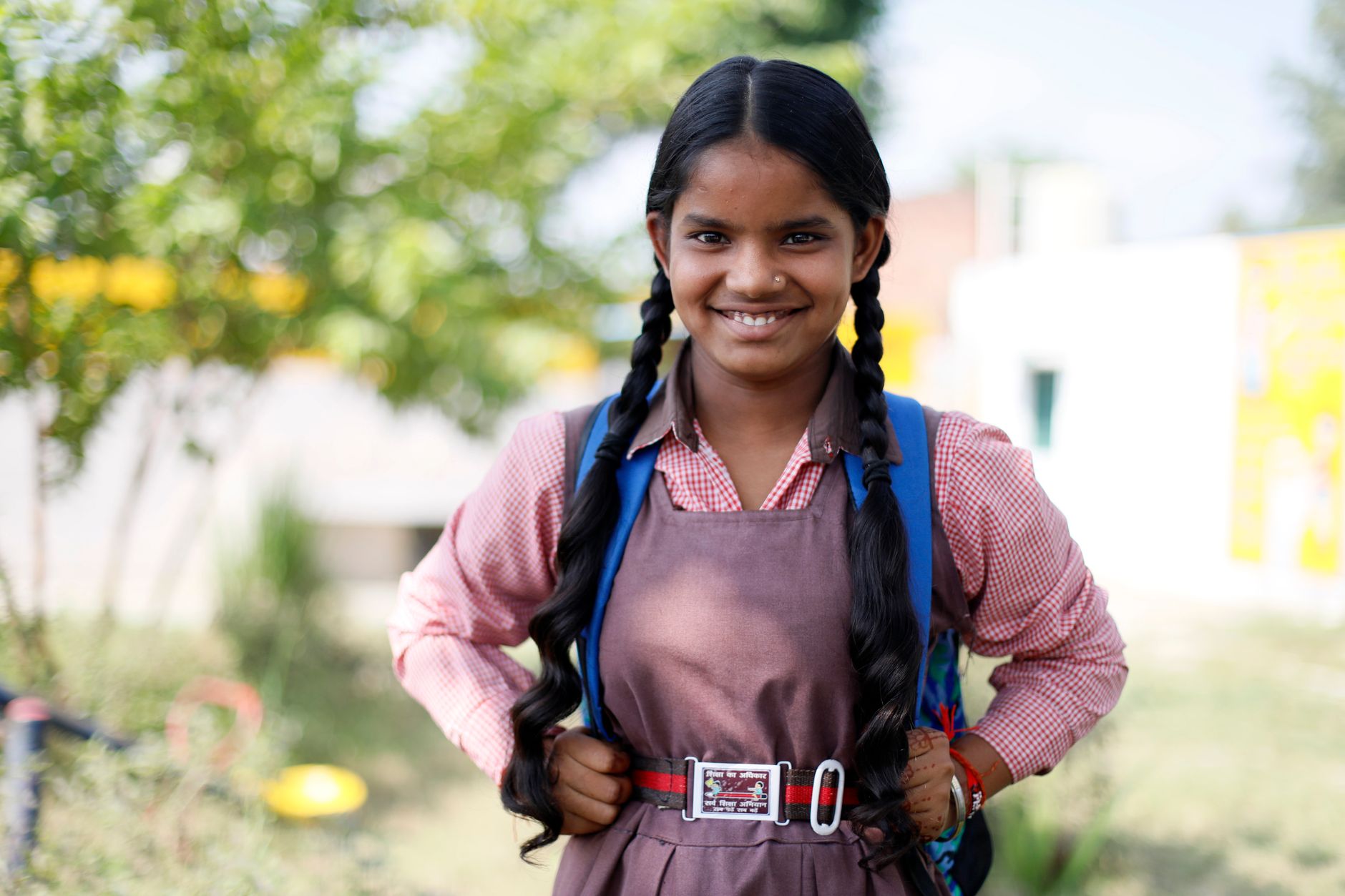
In a country where distances often define destinies, the first-ever National Household Travel Survey has painted a vivid picture of the daily odyssey faced by millions of Indian students and workers. According to the survey, a notable 66.4% of students aged six and above journey more than a kilometre each day to reach their schools and colleges, underscoring the lengths to which families go to secure education.
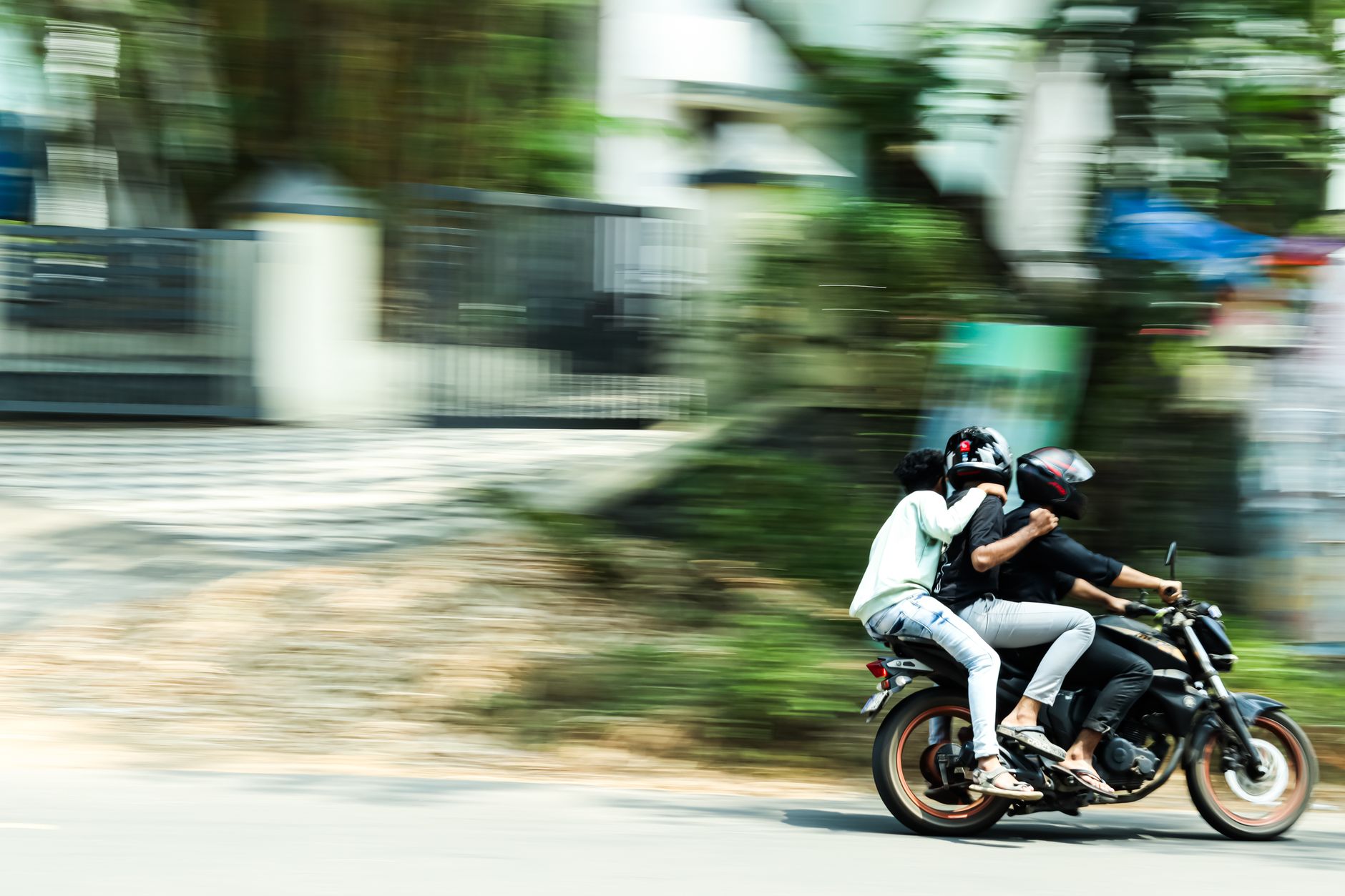
Meanwhile, for India's workforce, the trusty two-wheeler emerges as the chariot of choice. A striking 42.6% of workers rely on these vehicles for their daily commute to fixed workplaces. Urban areas see even higher reliance, with 52.3% of workers opting for two-wheelers, compared to 37.1% in rural regions.
The Urban-Rural Divide
The survey sheds light on the stark contrasts between urban and rural commuting patterns. Urban dwellers, with their congested streets and towering buildings, seem to favour the nimbleness of two-wheelers, allowing them to weave through traffic with relative ease. In contrast, rural workers, though fewer in number, still depend heavily on these vehicles, pointing to the limited public transport options available in the countryside.
Gender Gap in Commuting
Another dimension revealed by the survey is the gender disparity in daily commutes. While 61.9% of male workers undertake daily trips to their workplaces, only 41.9% of their female counterparts do the same. This gap highlights the pervasive social and cultural barriers that women face in accessing employment opportunities.
Furthermore, the survey notes that despite the distances, the majority of both students and workers manage to reach their destinations within 30 minutes, with average travel times standing at 23 minutes for students and 25 minutes for workers. This efficiency, however, may come at the cost of comfort and safety, particularly for those navigating the chaotic urban traffic on two wheels.
The insights from this survey provide a crucial understanding of the mobility patterns across India, offering a foundation for policymakers to address transport inequities and improve infrastructure. As the nation moves forward, ensuring accessibility and safety in travel will be paramount in shaping a more equitable society.