India's Waste-to-Energy Dilemma: Environmental Costs Ignored
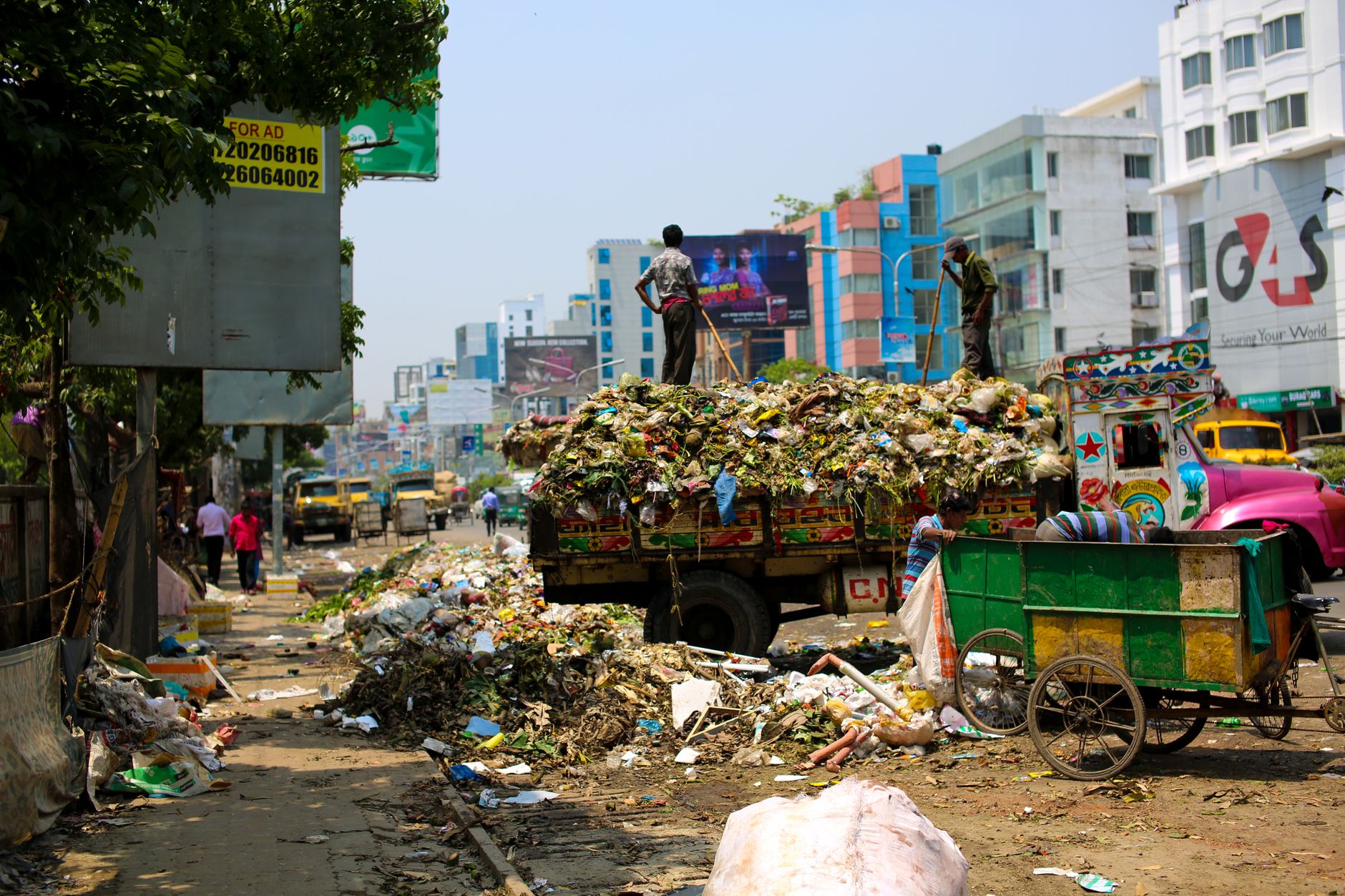
Amidst growing concerns over environmental sustainability, India is determinedly expanding its waste-to-energy (WtE) infrastructure. These plants, which incinerate municipal waste to generate electricity, are touted as a dual solution to the twin crises of waste management and energy scarcity. However, a closer examination reveals a complex picture marred by financial woes and environmental hazards.
India's foray into WtE technology is not without its critics. Swati Singh Sambyal, an expert in waste management, notes that out of 14 WtE plants installed in India, seven have already shuttered their operations. The high capital costs associated with these plants often necessitate international financial assistance and government subsidies, raising questions about their long-term viability.
The Environmental Price
Environmentalists argue that the incineration process, central to WtE plants, is far from green. While they divert waste from landfills, the process emits pollutants that can harm air quality. Despite some plants, like the one in Ghazipur, East Delhi, claiming to meet European Union emission standards, the broader environmental implications remain troubling.
The Ghazipur plant, which generates electricity from refuse-derived fuel (RDF), represents a technical advancement, yet its success is not easily replicated. The controlled combustion method demands rigorous waste segregation, a practice not uniformly adopted across the country.
Financial and Technical Hurdles
WtE plants are capital-intensive ventures. Their financial sustainability is questionable, especially when juxtaposed with their environmental impact. While they offer an alternative to fossil fuels, the energy they produce is relatively expensive.
With only five operational municipal WtE plants in India, generating a total of 66.4MW of electricity per day, the overall contribution to the national grid is modest. Delhi's three plants contribute 52MW, yet this is a drop in the ocean compared to the city's energy demands.
As India grapples with its burgeoning waste problem, the allure of WtE plants as a panacea must be critically assessed. The balance between economic feasibility and environmental responsibility is delicate, and the path forward remains fraught with challenges.