India's Workforce: A Global Export Phenomenon
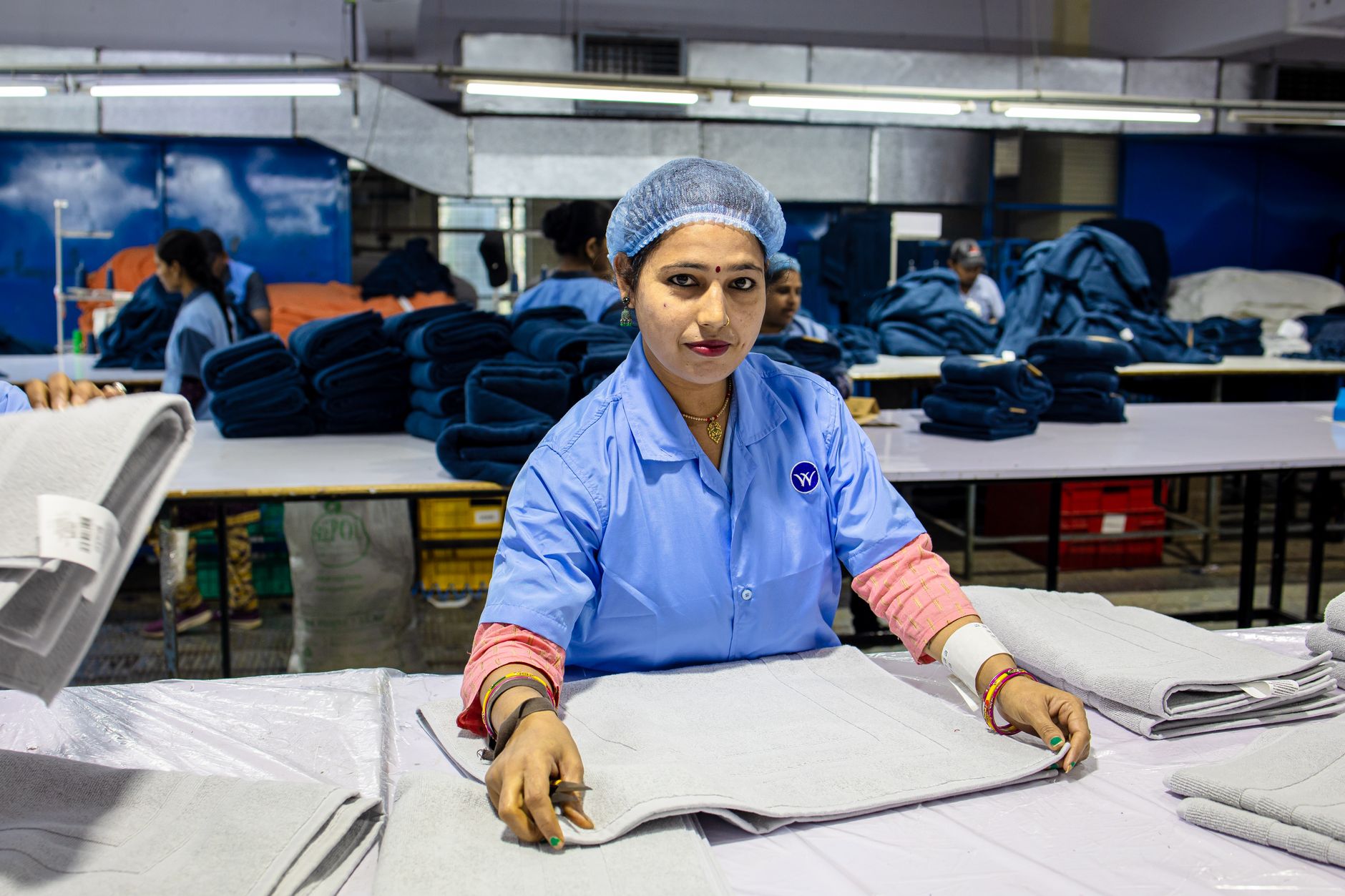
In the bustling streets of Patna and the rural landscapes of Bihar, a quiet revolution is underway. Thousands of young men, armed with skills and ambition, are preparing to leave their homes for opportunities abroad. This exodus is part of a broader strategy by India to export its workforce, a move that stands to reshape the global labour market.
Arnab Bhattacharya, the chief executive of a leading foundation, envisions a future where India doubles its current export of 700,000 workers annually to 1.5 million by 2030. 'Our workforce should be servicing the world, not just India,' he asserts. This perspective is gaining traction as countries like Israel open their doors to Indian workers, eager to fill critical labour shortages.
Challenges Amidst Opportunities
Yet, this potential boon is not without its obstacles. The United States, a major trade partner, has imposed steep tariffs on Indian goods, posing significant challenges to India's export economy. These tariffs, among the highest globally, are expected to affect trade dynamics, yet they haven't deterred India from its ambitious goals.
The recent surge in demand for Indian workers in Israel, catalysed by diplomatic discussions between Prime Minister Modi and Israeli Prime Minister Netanyahu, underscores the shifting dynamics. In a symbolic gesture of this new alliance, planeloads of Indian workers have already begun to arrive in Israel, with thousands more expected in the coming months.
Global Implications
India's strategy to export its workforce comes at a time when many developed nations are experiencing a demographic crunch. Ageing populations and declining birth rates have created a vacuum in the labour market, which countries like India are well-positioned to fill.
However, the success of this strategy hinges on several factors, including the ability to navigate international trade policies and maintain diplomatic relations. As India steps onto the global stage, it must balance these external pressures with the domestic need to create opportunities for its burgeoning population.
Ultimately, the export of India's workforce is not just a matter of economic necessity but a reflection of the country's evolving role in a rapidly changing world. As this narrative unfolds, the eyes of the world remain on India, watching closely as it navigates this complex but promising path.