Indonesia's Stock Exchange Slashes Minimum Price to Boost Liquidity
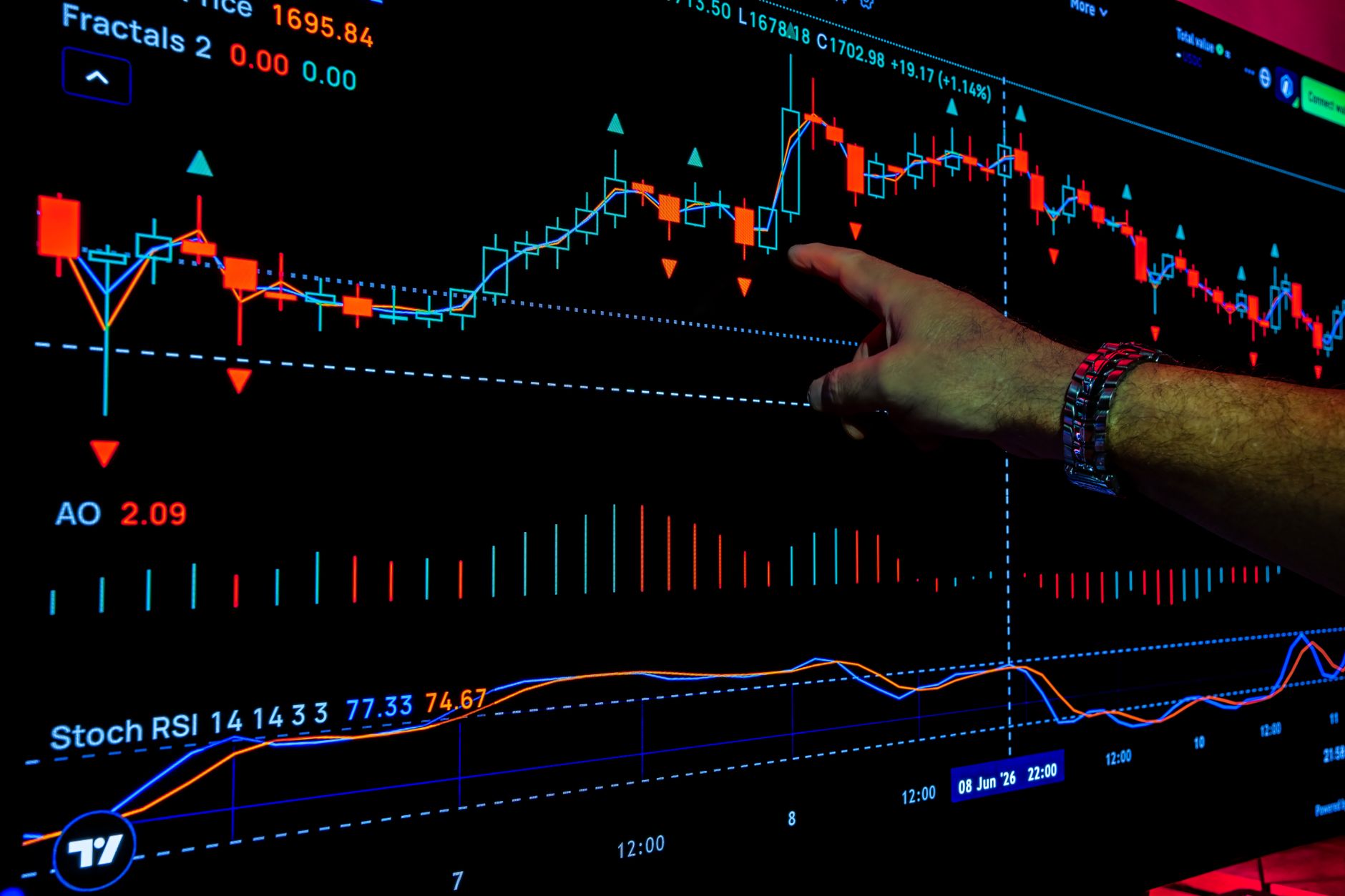
Indonesia's financial landscape witnessed a startling development this week as the Jakarta stock exchange implemented a significant reduction in its minimum stock price. The floor price plummeted from Rp50, which is less than one-third of a US cent, to a mere Rp1. This decision, though radical, is part of a strategic initiative aimed at injecting much-needed liquidity into the world's most underperforming stock market.
The move is not without its risks. Critics have raised concerns about the potential for increased volatility and speculative trading. However, proponents argue that the new pricing structure will encourage greater participation from small-scale investors and foster a more dynamic trading environment.
Why the Change Matters
For Indonesia, avoiding a downgrade of its market status is crucial. Such a downgrade could deter foreign investment, further exacerbating the economic challenges the nation faces. By lowering the entry barrier for stock purchases, the Jakarta exchange hopes to revitalise trading volumes and restore investor confidence.
The decision reflects a broader trend among emerging markets striving to stay competitive amid global economic uncertainties. As traditional markets in Europe and North America grapple with their own issues, Indonesia's proactive approach signals a willingness to adapt and innovate.
Looking Forward
While the immediate effects of this pricing adjustment remain to be seen, the long-term implications could be profound. Should the strategy succeed, it may serve as a blueprint for other struggling markets worldwide. Conversely, a failure to stabilise could prompt more drastic measures in the future.
Investors, both domestic and international, will undoubtedly watch closely as Indonesia navigates this precarious path. The stakes are high, but so too are the potential rewards if the market can successfully turn the corner.