Innovative Tool Enhances Premature Newborn Care in India
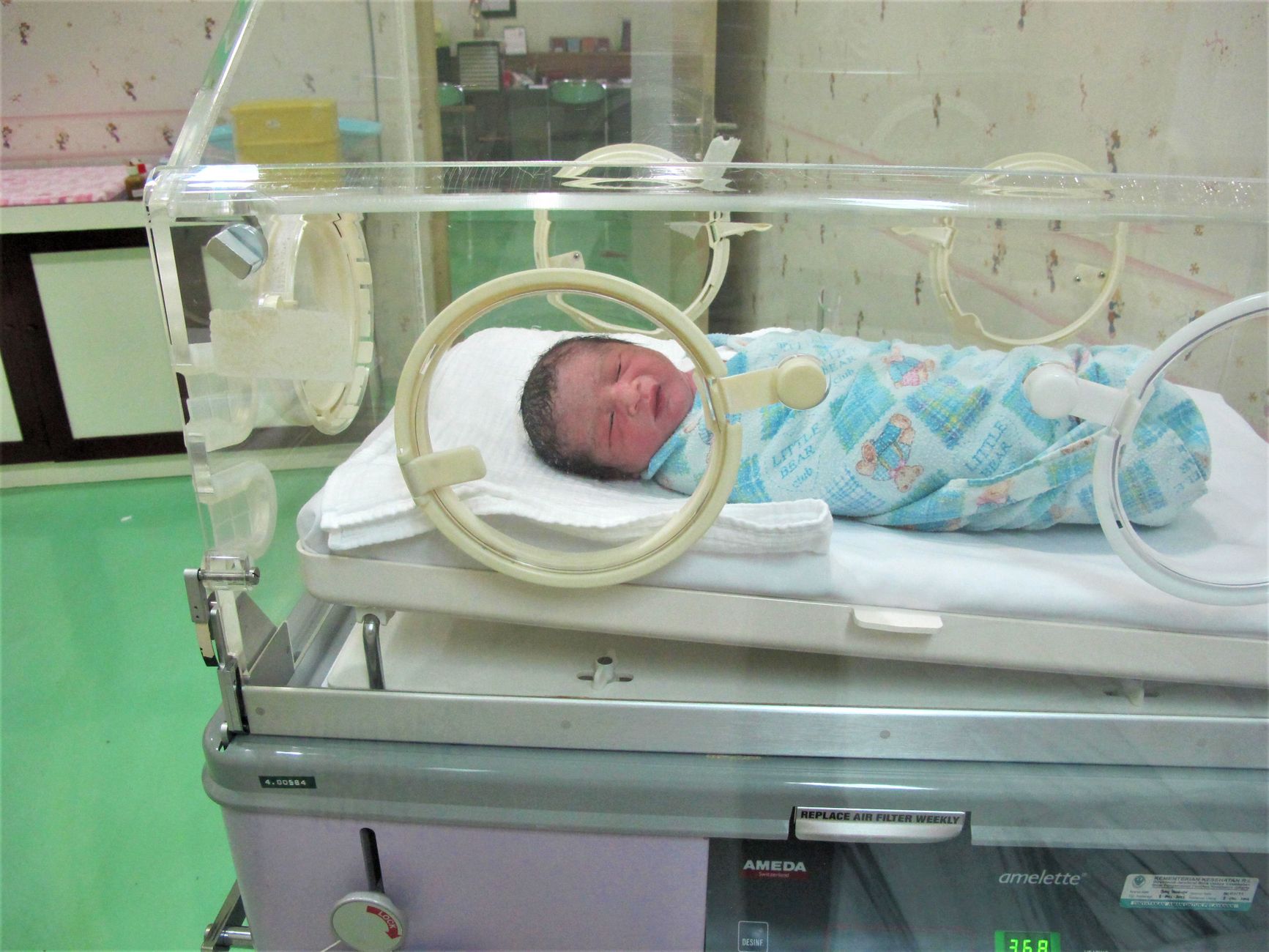
In a bustling ward at JK Lone Hospital, Jaipur, a new chapter in neonatal care is being written. A recent study conducted by the hospital's doctors has unveiled the potential of the Clinical Risk Index for Babies-II (CRIB-II) as a decisive tool in identifying health risks in premature newborns.
The study, involving 181 preterm infants, has demonstrated that the CRIB-II score can provide crucial insights into the medical challenges these vulnerable patients might face. This tool, developed in India, is poised to become a game-changer in a country grappling with one of the highest numbers of premature births worldwide.
Understanding CRIB-II's Impact
The innovation of the CRIB-II score lies in its simplicity and effectiveness. It allows healthcare professionals to assess a newborn's condition shortly after birth, enabling timely and targeted interventions. Such foresight is invaluable in a setting where resources are often stretched thin.
Dr. Saria, one of the lead researchers, remarked, "The ability to predict and prepare for potential complications means we can administer care more efficiently. It could significantly reduce mortality rates among preterm infants."
Broader Implications for India
India's healthcare system faces immense pressure due to the sheer volume of premature births, which are often accompanied by a host of medical issues, including respiratory distress and infections. With the CRIB-II tool, doctors can better anticipate these challenges, potentially improving outcomes significantly.
This development also emphasises the critical role of innovation in healthcare. By utilising data effectively, the CRIB-II score represents a step forward in neonatal care, particularly in regions where healthcare infrastructure may lag.
As the healthcare community in India and beyond takes note of these findings, the hope remains that such tools will become standard practice, ensuring that every newborn has the best start in life possible.