Inside the World's Oldest Atomic Power Station: A Rare Glimpse
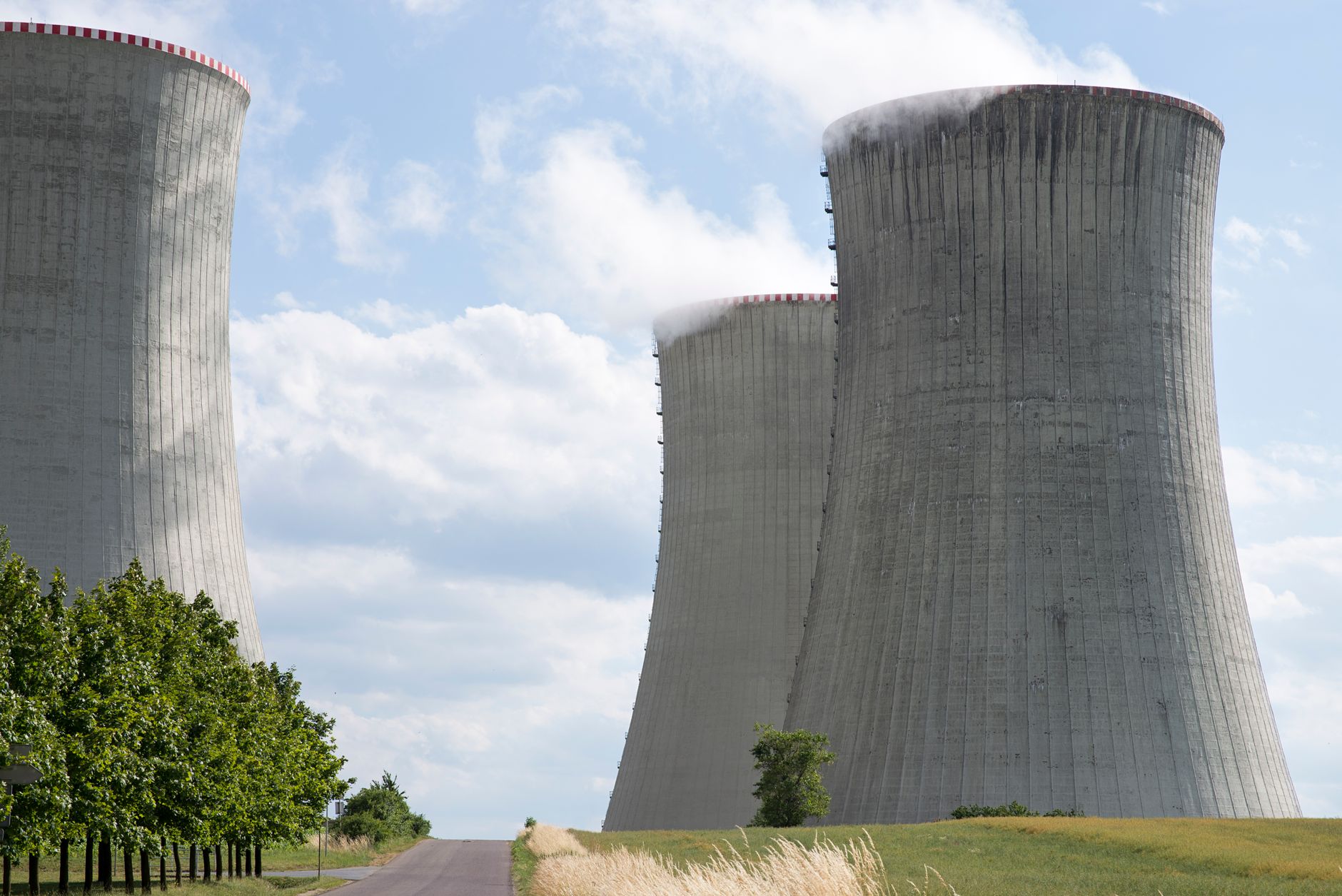
Amidst the picturesque landscape of north-west England lies a relic of human achievement — a bastion of nuclear technology that has stood the test of time. Calder Hall, the world's oldest operational atomic power station, offers a unique glimpse into the past and future of energy generation.
Opened in 1956 by Queen Elizabeth II, Calder Hall marked a pivotal moment in history. It was not merely the first station to supply nuclear power to a public grid but also a symbol of post-war progress and optimism. Today, it stands as a testament to the durability of mid-twentieth-century engineering.
A Historical Perspective
Constructed during an era of rapid technological advancement and geopolitical tension, Calder Hall was designed to demonstrate Britain's prowess in nuclear technology. Its dual purpose of generating electricity and producing plutonium for national defence highlighted the multifaceted role of nuclear power in the mid-20th century.
As the world grappled with the realities of nuclear energy post-Chernobyl and Fukushima, Calder Hall adapted, integrating modern safety protocols while maintaining its operational status. This adaptability is a hallmark of its enduring legacy.
Modern Relevance
In a world increasingly concerned with sustainable energy, the continued operation of Calder Hall is both a reminder of nuclear power's potential and a challenge to innovate further. Nuclear energy, often maligned for its risks, remains a low-carbon alternative critical to addressing climate change.
The station's ongoing operation underscores the importance of maintaining and upgrading older facilities to meet contemporary safety and efficiency standards. It is a living museum that not only powers homes but also fuels debates on the future of energy.
As nations strive to balance energy needs with environmental concerns, Calder Hall stands as a beacon of what's possible when innovation meets resilience. It reminds us that the past can inform the future, guiding us towards a more sustainable world.