INTERPOL and WHO Forge Alliance to Bolster Health and Security
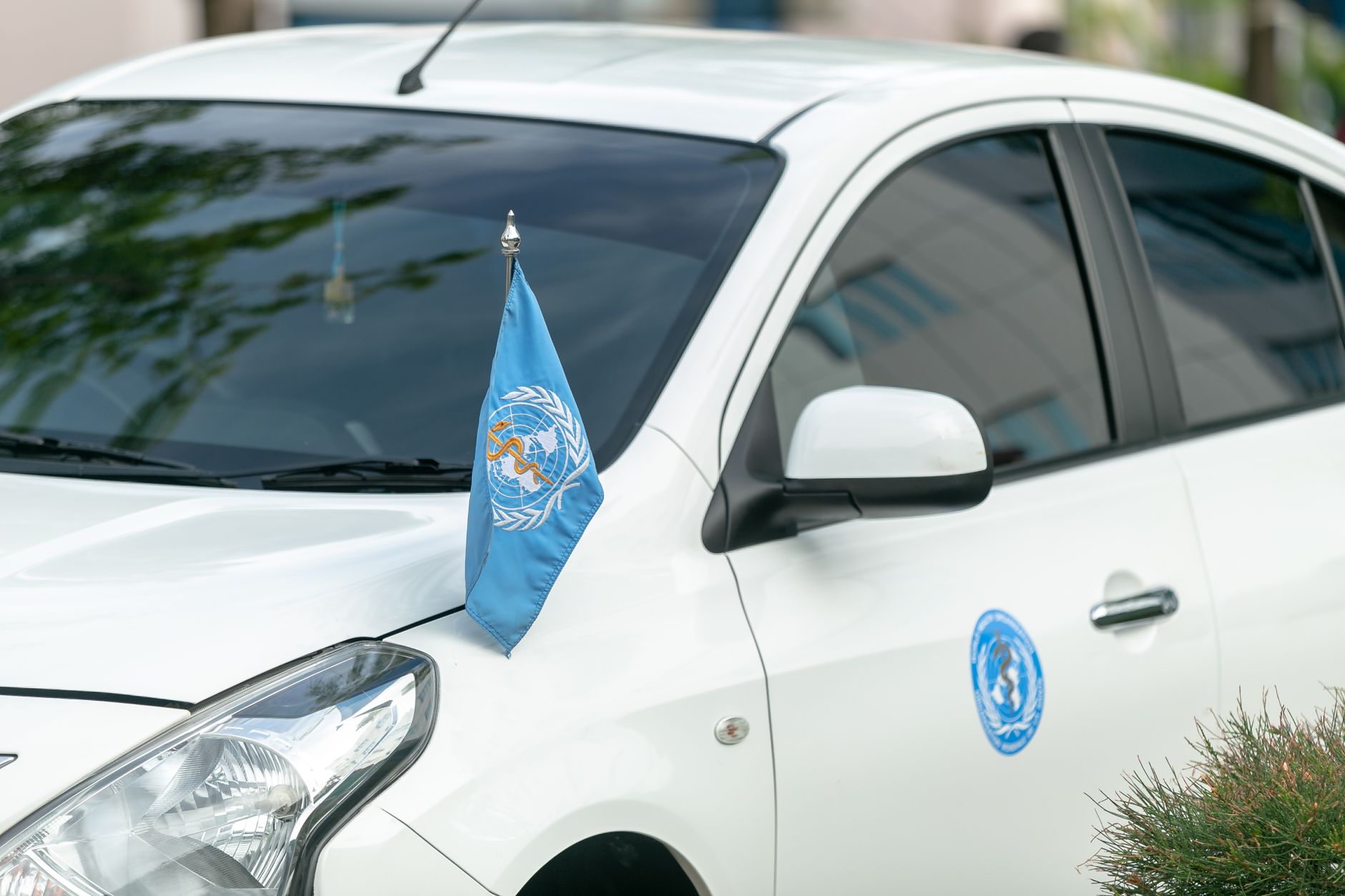
In a move reflective of the increasingly interconnected challenges of our times, INTERPOL and the World Health Organisation (WHO) have inked an agreement aimed at fortifying global health and security. The pact, signed earlier this week, is designed to enhance collaboration in tackling a range of international health threats and improving security responses across borders.
Strengthening an Interconnected World
The unprecedented agreement marks a significant stride in the ongoing efforts to address the complex web of health and security issues that transcend national boundaries. With the Covid-19 pandemic having underscored the vulnerabilities in global health systems, this partnership seeks to pre-emptively address potential threats that could arise from such vulnerabilities.
INTERPOL, known for its extensive reach in fighting international crime, will work closely with WHO's expertise in global health to develop more comprehensive strategies for crisis response. The collaboration will focus on sharing critical data, enhancing communication channels, and deploying joint resources where necessary. It is an approach that underscores the vital role of information sharing in the modern world.
The Broader Implications
While the agreement primarily focuses on health-related security threats, it also has broader implications for international cooperation in other areas. The partnership sets a precedent for how international organisations can work together to address complex, multi-faceted global challenges. By uniting their resources and expertise, INTERPOL and WHO aim to create a more resilient global framework, capable of responding to the myriad threats that the world faces today.
The agreement comes at a time when the global community is increasingly aware of the need for cohesive action in facing shared challenges. With climate change, cyber threats, and pandemics looming large, the collaboration between INTERPOL and WHO serves as a reminder of the interconnectedness of modern threats and the necessity of a united front in addressing them.