Iran Accuses Foreign Vessel of Gulf Oil Spill Amidst Environmental Fears
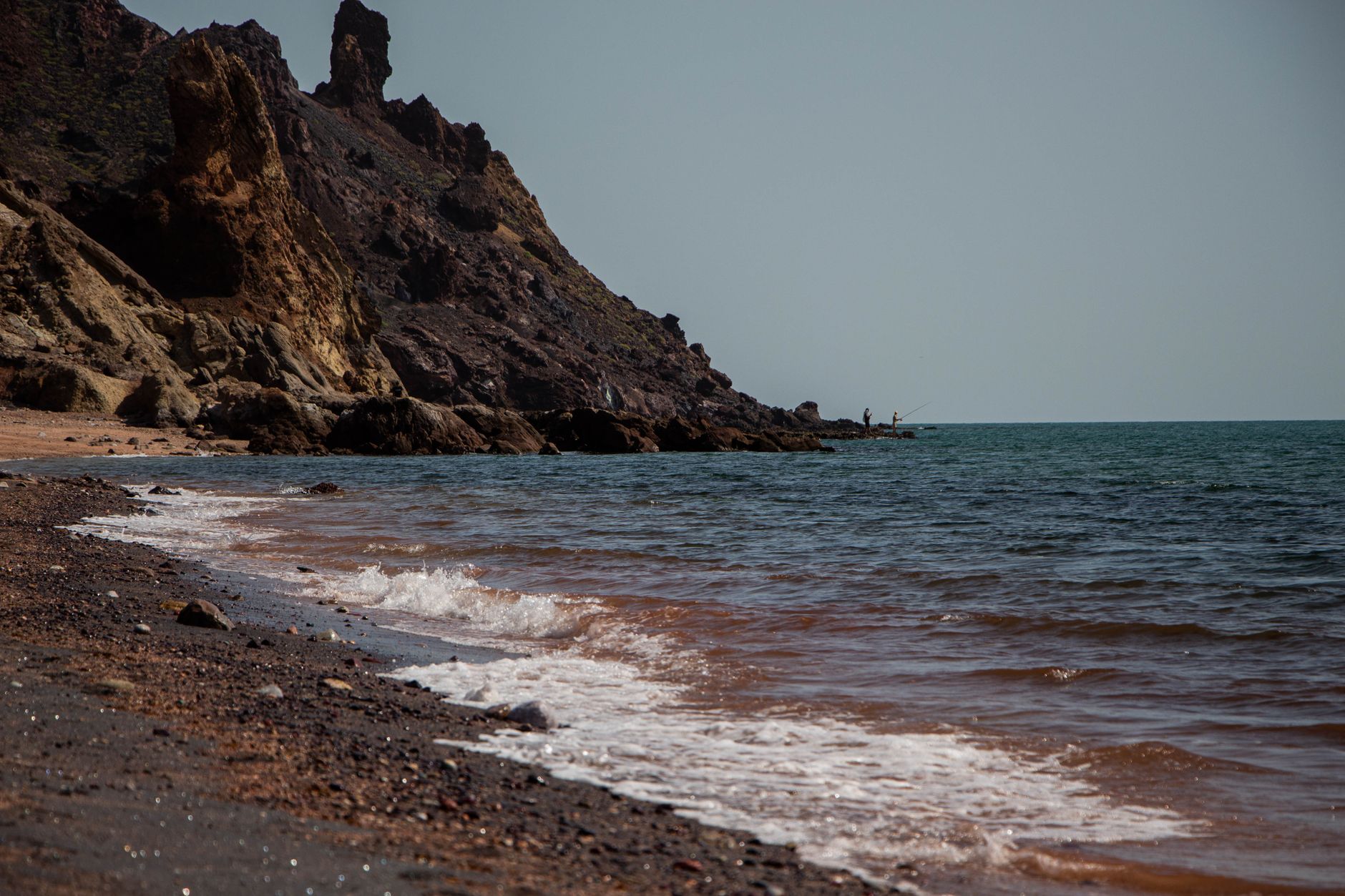
The azure waters of the Persian Gulf have turned murky once again. Iran has accused a foreign carrier of an oil spill that has marred the pristine shores of Qeshm Island. The incident, which Tehran has blamed on heightened shipping and military activity in the region, threatens to exacerbate an already precarious ecological situation.
Iranian officials have expressed their dismay, stating that the spill poses a significant threat to marine biodiversity. "The Gulf's environment is under siege," remarked an Iranian environmental spokesperson, highlighting the potential long-term impacts on the local ecosystem.
Escalating Maritime Activity
The Persian Gulf, a vital artery for global oil shipments, has seen an alarming increase in maritime traffic. This uptick, driven by both commercial and military interests, has raised concerns among environmentalists. The latest incident is a stark reminder of the environmental costs associated with such activities.
Iran has called for tighter regulations and increased accountability for vessels operating in the region. "The Gulf cannot sustain this level of neglect," an Iranian maritime official noted, urging for international cooperation to address the environmental challenges.
Regional Tensions Add Complexity
The geopolitical tension in the Gulf adds a convoluted layer to the environmental plight. As regional powers jostle for influence, environmental considerations often take a backseat. However, the oil spill on Qeshm Island serves as a poignant reminder that ecological concerns are inextricably linked to regional stability.
Environmental advocacy groups have urged Gulf countries to prioritise environmental protection in tandem with their economic pursuits. They warn that without concerted efforts, the Gulf's fragile ecosystem could face irreversible damage.
In the wake of this incident, the Iranian government has vowed to pursue the responsible parties and intensify its environmental monitoring efforts. As the Gulf continues to bear the brunt of human activity, the call for sustainable practices has never been more urgent.