Iran and Allies Press for Ban on Strikes Against Nuclear Sites
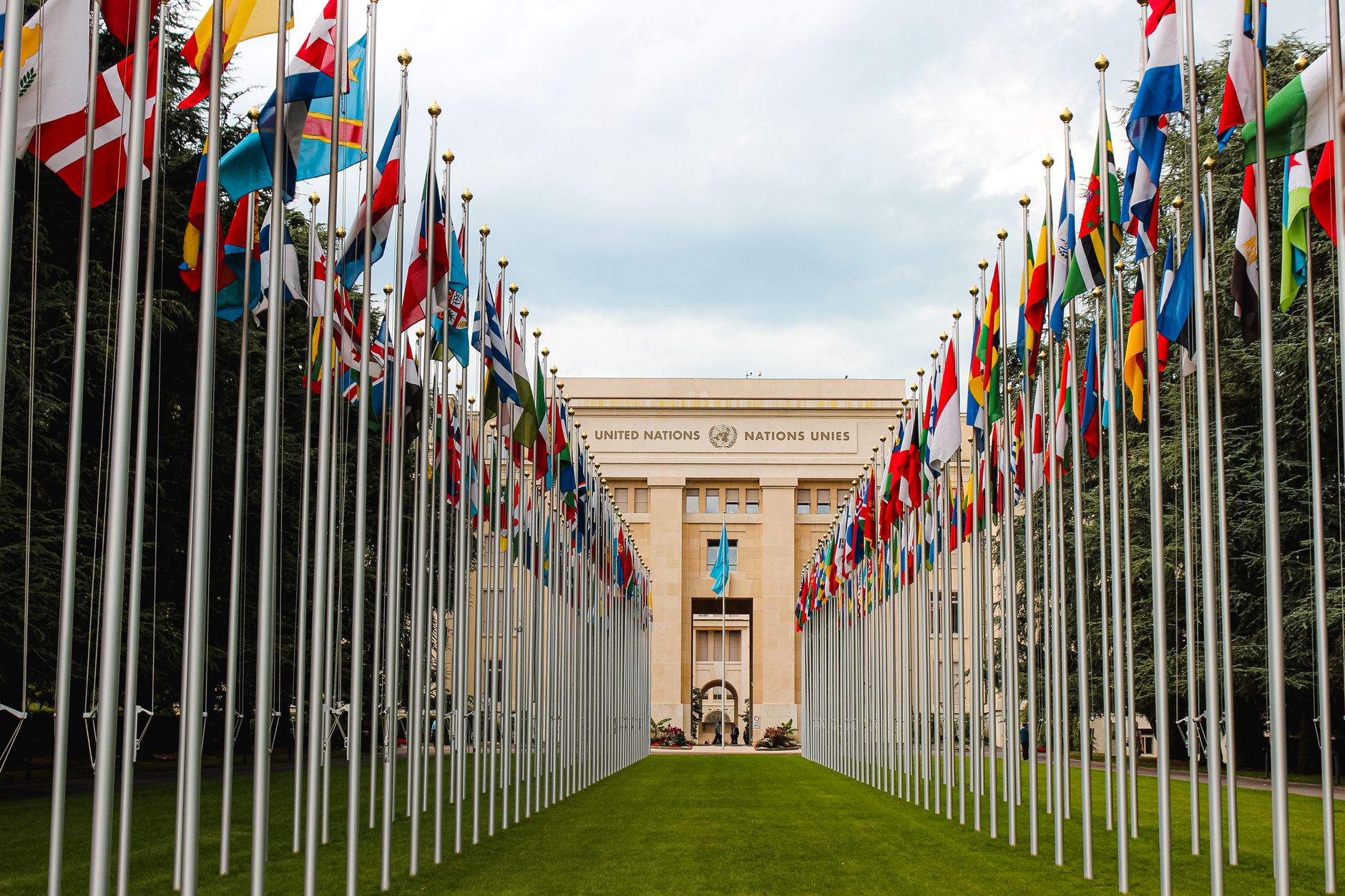
In the intricate dance of international diplomacy, Iran, along with 11 nations, has made a fervent call to the United Nations to outlaw attacks on nuclear facilities. This diplomatic gambit, however, was temporarily shelved when Iran withdrew the resolution at the eleventh hour during a meeting of the UN's nuclear watchdog in Vienna.
The resolution, co-sponsored by significant global players such as China and Russia, sought to establish a clear international norm against military strikes on nuclear sites. The push highlights a growing apprehension about the vulnerability of such facilities amidst escalating geopolitical tensions.
Iran, a signatory of the Treaty on the Non-Proliferation of Nuclear Weapons (NPT) since 1968, has long maintained that its nuclear ambitions are purely peaceful. However, recent attacks, notably the US-Israeli strikes, have cast a shadow over Tehran's nuclear programme, sparking fears of a potential escalation into broader conflict.
Despite the resolution's withdrawal, Iran's message remains unequivocal: the security of its nuclear infrastructure is non-negotiable. Mohsen Rezaei, a senior Iranian official, was forthright in his declaration that not a single particle of enriched uranium would leave Iran's borders, underscoring the nation's resolve.
While the resolution did not come to a vote, its initial introduction has stirred debate within international circles. Proponents argue that a formal ban could serve as a deterrent against future military actions, potentially averting catastrophic consequences. Critics, however, remain sceptical, questioning the enforceability of such a ban and its implications for international security dynamics.
The International Atomic Energy Agency (IAEA), tasked with the oversight of nuclear activities, finds itself in a precarious position. With key Iranian facilities damaged and inspection access limited, the IAEA's ability to verify Iran's nuclear stockpile is significantly hampered. This uncertainty adds another layer of complexity to an already fraught situation.
As the world watches these developments unfold, the call for a ban on attacks against nuclear sites resonates as a critical issue. It serves as a stark reminder of the fragile balance of global nuclear politics and the dire need for diplomacy in averting potential disaster.