Iran Faces Uncertainty as Khamenei's Health Raises Succession Questions
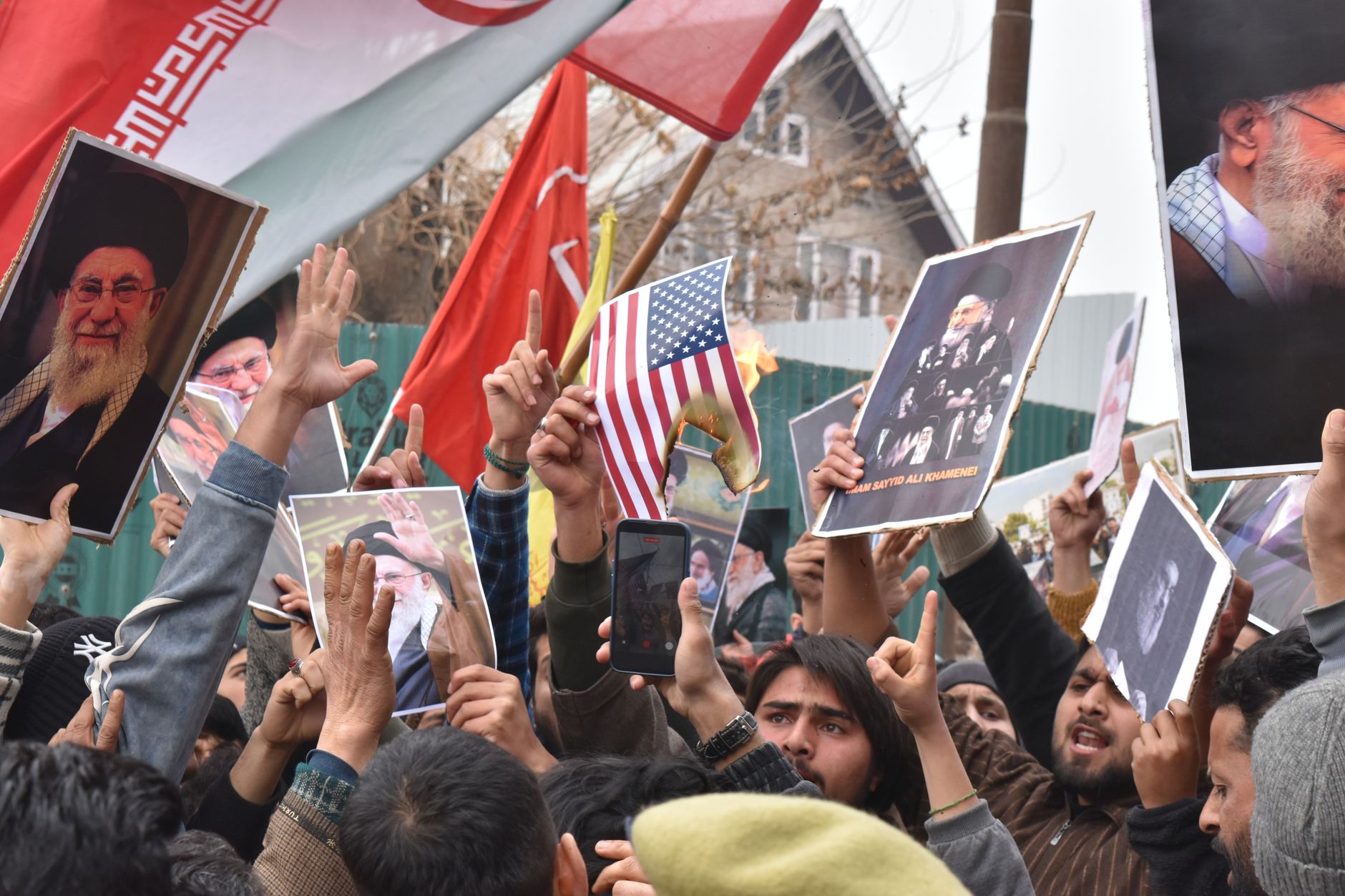
In the labyrinthine corridors of Iranian politics, the health of Supreme Leader Mojtaba Khamenei has become a subject of fervent speculation. His prolonged absence from the public eye has only fuelled the fire, casting a shadow over the future leadership of the Islamic Republic.
Reports suggest that Khamenei, who ascended to power following the death of his father, Ayatollah Ali Khamenei, has been gravely wounded. Despite this, insiders assert that his mental faculties remain unimpaired. A series of surgeries on his leg and hand, however, paint a picture of physical fragility.
Potential Successors
The question of succession looms large. Iran's political structure, which places enormous power in the hands of the Supreme Leader, necessitates a leader of considerable prowess. Among the potential candidates is Ebrahim Raisi, the current President, known for his staunch conservatism.
Another name frequently mentioned is Sadeq Larijani, a former judicial head with deep ties to the clergy. Meanwhile, Hassan Khomeini, the grandson of the Islamic Republic's founder, is viewed as a reformist alternative, albeit a long shot.
Implications for Iran
The implications of a leadership change are profound. Domestically, it could shift the balance between hardliners and moderates, affecting everything from economic policy to social freedoms. Internationally, a new leader could recalibrate Iran's fraught relations with the West.
For now, Iran watches and waits. The health of Mojtaba Khamenei is more than a personal affair; it is a matter of national import, with the potential to redefine the trajectory of a nation at a critical juncture.