Iran Oil Attack's Environmental Toll Equivalent to Volcanic Eruption
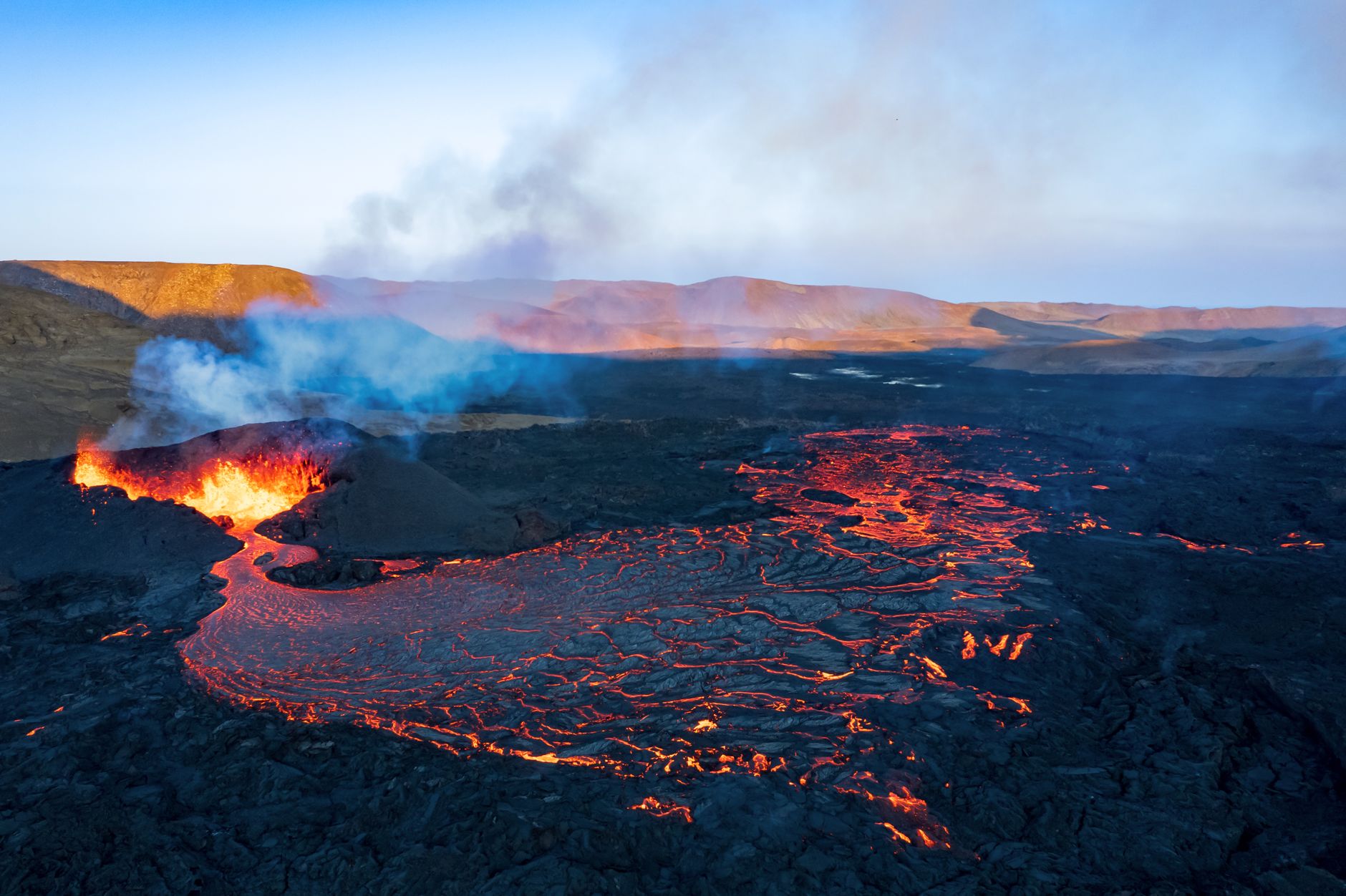
As the smoke billows into the air, casting a dark pall over Tehran's skyline, the environmental repercussions of the recent Israeli airstrikes on Iran's oil facilities are coming into sharp focus. The attacks, which occurred on 7 March, have reportedly resulted in sulphur dioxide emissions equivalent to that of a small volcanic eruption, raising alarm amongst environmentalists and policymakers alike.
Iran, which boasts the fourth largest proven oil reserves globally, found its energy infrastructure under siege in a series of strikes that have stirred international condemnation. The resultant pollution is a stark reminder of the long-term environmental damage that can ensue from military conflicts, affecting air quality and public health for years to come.
According to environmental experts, the volume of sulphur dioxide released into the atmosphere could have lingering effects. This type of pollution can exacerbate respiratory problems and contribute to acid rain, affecting both urban and rural areas. The scenario underscores the often-overlooked environmental costs of warfare, which can persist long after the immediate fires are extinguished and the smoke has cleared.
Internationally, the attacks have ratcheted up tensions in an already volatile region. Abu Dhabi has branded the strikes a "dangerous escalation", while Iran has denied any intention to expand the conflict to neighbouring nations. Despite these assurances, the environmental fallout of the attacks remains a pressing concern, drawing attention to the need for robust international dialogue on the environmental implications of military actions.
In the broader geopolitical context, the incident comes at a time when Iran is negotiating with Western powers over its nuclear programme. The potential lifting of sanctions on Iranian oil could have far-reaching consequences, not just economically but environmentally as well. As nations grapple with climate change, the imperative to consider the environmental impact of geopolitical manoeuvres becomes ever more critical.
The situation serves as a sobering reminder of the complex interplay between warfare, geopolitics, and environmental health. As the world watches, the skies over Tehran offer a visible testament to the often unseen costs of conflict.