Iran's Conditions for US Deal: Security and Strategy
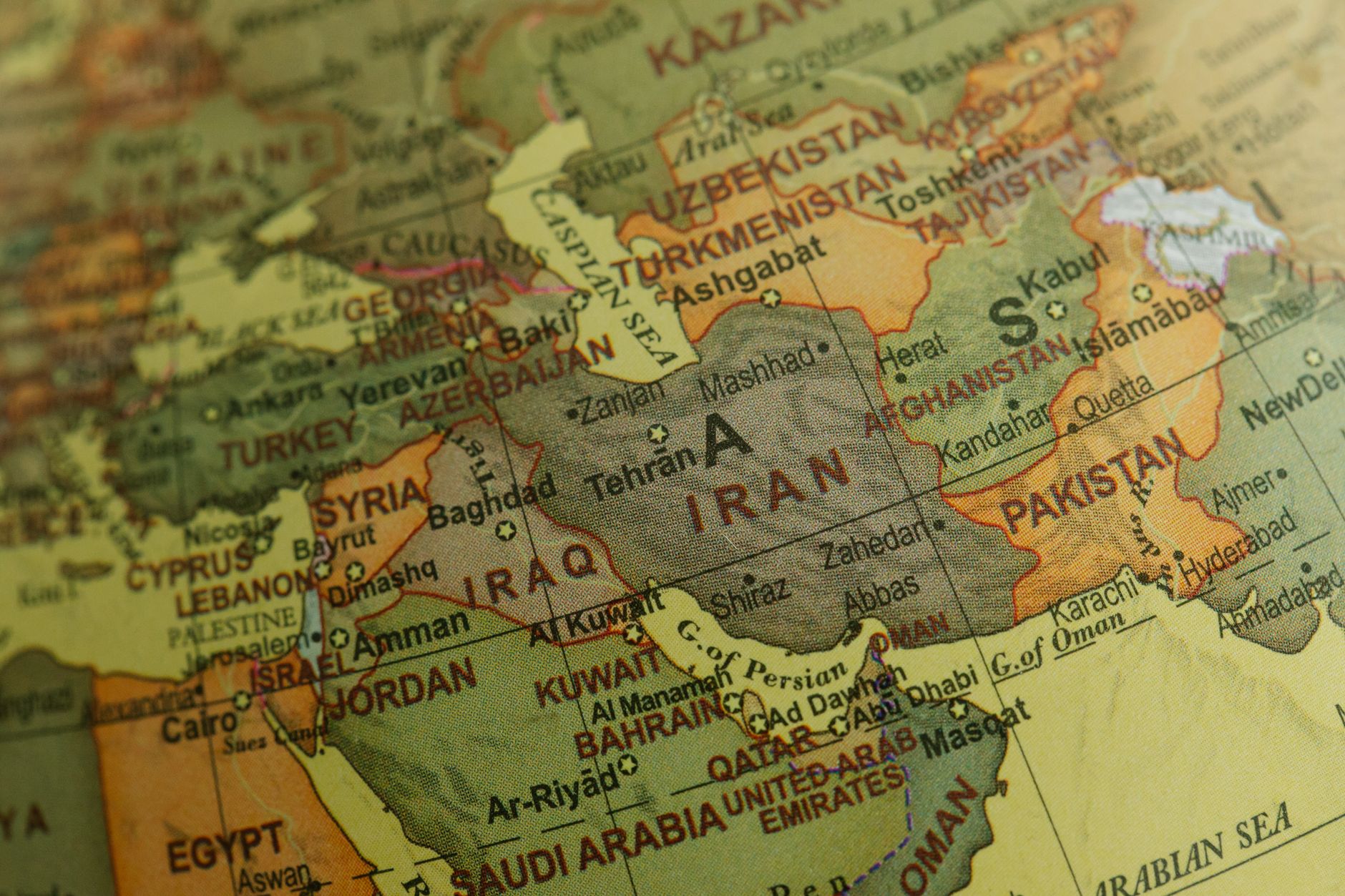
In the intricate theatre of West Asian politics, a new act is unfolding. Mohsen Rezaei, Secretary of Iran’s Supreme National Security Council, has articulated a triad of conditions for any prospective agreement with the United States. At the heart of these stipulations is a focus on regional stability, particularly Lebanon’s security, which Iran views as integral to the broader geo-strategic equilibrium of the area.
Rezaei’s pronouncement comes at a time when diplomatic chess moves between Tehran and Washington have been nothing short of a high-stakes spectacle. His emphasis on Lebanon suggests Iran’s unwavering commitment to its regional allies, even as tensions simmer over nuclear aspirations and sanctions.
Conditions and Complications
Among the conditions, Rezaei has insisted on the cessation of any actions that undermine Lebanon's sovereignty, viewing it as a linchpin for peace in the region. This insistence not only highlights Lebanon’s precarious position but also Iran’s strategic depth in West Asia. The other conditions echo long-standing Iranian concerns, including sanctions relief and a guarantee of non-interference in Iran’s domestic affairs.
The United States, on its part, has its own list of prerequisites, focusing primarily on Iran’s nuclear programme and its influence over the Strait of Hormuz. The complexity of these intertwined demands reflects a broader struggle for power and influence, with both nations aware that any agreement will resonate far beyond their borders.
Geopolitical Implications
For observers, the stakes could not be higher. A deal, if reached, might rebalance power dynamics in West Asia, potentially easing decades-long hostilities. However, the path to such an agreement is fraught with historical grievances and mutual suspicion.
In this geopolitical tapestry, the role of other regional players cannot be ignored. Nations like Saudi Arabia and Israel watch from the sidelines, their own interests tied to the outcomes of these negotiations. As Iran and the US navigate these diplomatic waters, the ripples of their actions will be felt across the globe.
Ultimately, whether Tehran and Washington can transcend their differences remains uncertain, but the dialogue itself marks a critical juncture. The world watches as these two nations inch towards what could be a historic détente, or yet another diplomatic impasse.