Iran's Leadership in Focus: Health Concerns and Strategic Talks
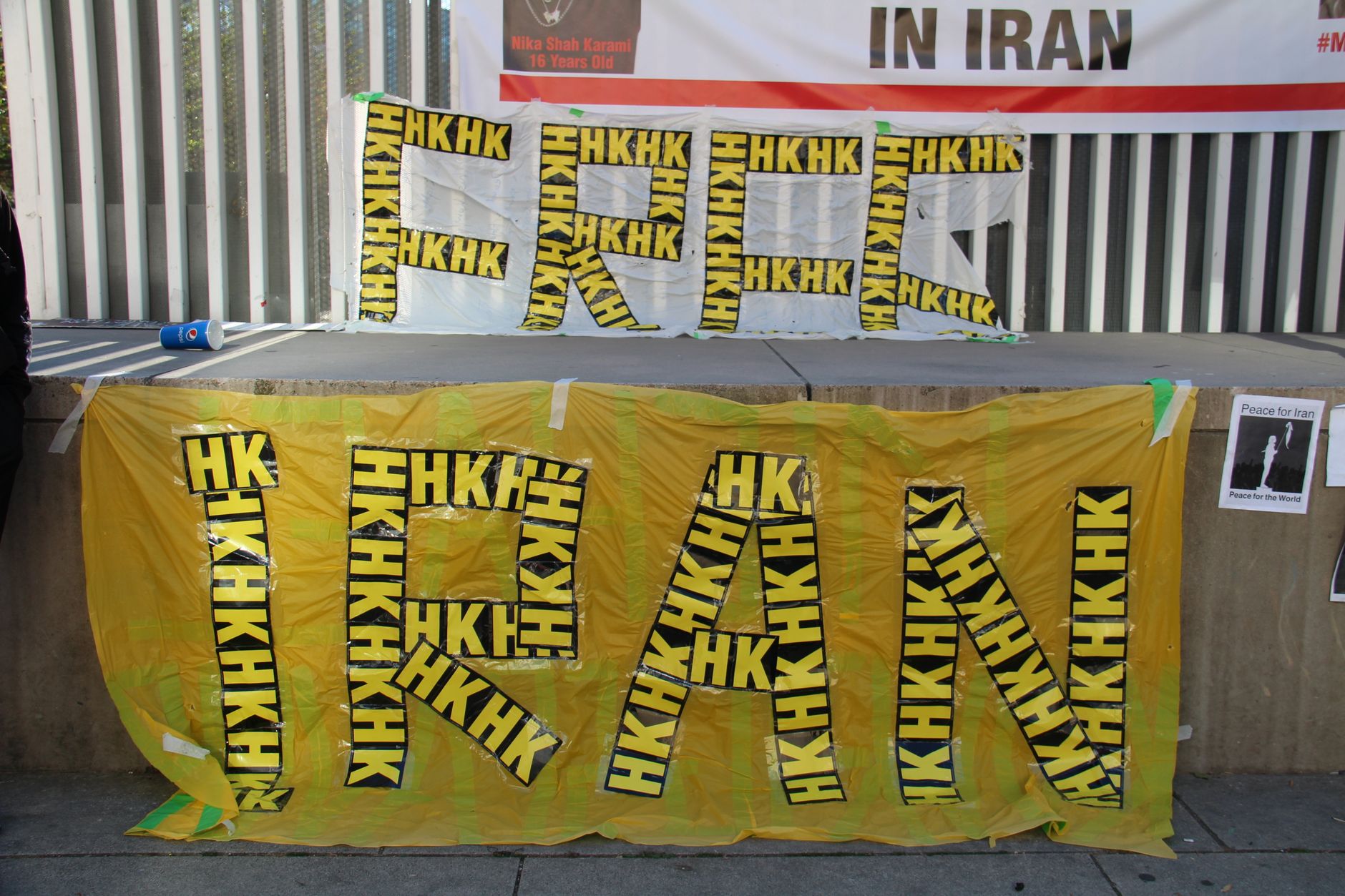
In a city accustomed to political intrigue, Tehran was once again abuzz as President Masoud Pezeshkian met with Supreme Leader Mojtaba Khamenei. The rendezvous, shrouded in the customary veil of Iranian secrecy, took place amidst swirling questions regarding Khamenei's health. The Supreme Leader, who has maintained a conspicuously low profile since ascending to his father's position, emerged to discuss pressing issues of national importance.
While the official communiqué emphasised discussions on the economy, military affairs, and the persistent shadow of Middle Eastern tensions, the spotlight inevitably fell on Khamenei's health. Rumours have been rife since his father's passing, and the timing of this meeting has only added fuel to the speculative fire.
Despite attempts to project normalcy, the absence of Khamenei from the public eye has been notable. His father, Ayatollah Ali Khamenei, was a constant presence in Iran's tumultuous political landscape until his demise. Mojtaba's reticence, therefore, raises questions about the inner workings of Iran's leadership dynamics.
Tensions in the Middle East
The backdrop to this meeting is the escalating conflict involving the United States and Israel, with Iran finding itself at the centre of a geopolitical storm. The discussions between Pezeshkian and Khamenei are said to have heavily featured military strategies, a necessity given the current climate.
As the nation grapples with external pressures, the internal dynamics are equally fraught. The speculation surrounding Khamenei's health brings to the fore questions of succession and stability within Iran's political hierarchy. For many, the real question is not just about the health of one man, but the resilience of an entire regime.
For now, at least, Iran's leadership appears to be holding its cards close to its chest. Whether this is a sign of strength or a harbinger of impending change remains the subject of international scrutiny.