Iran's Supreme Leader Urges Unity Against Common Adversaries
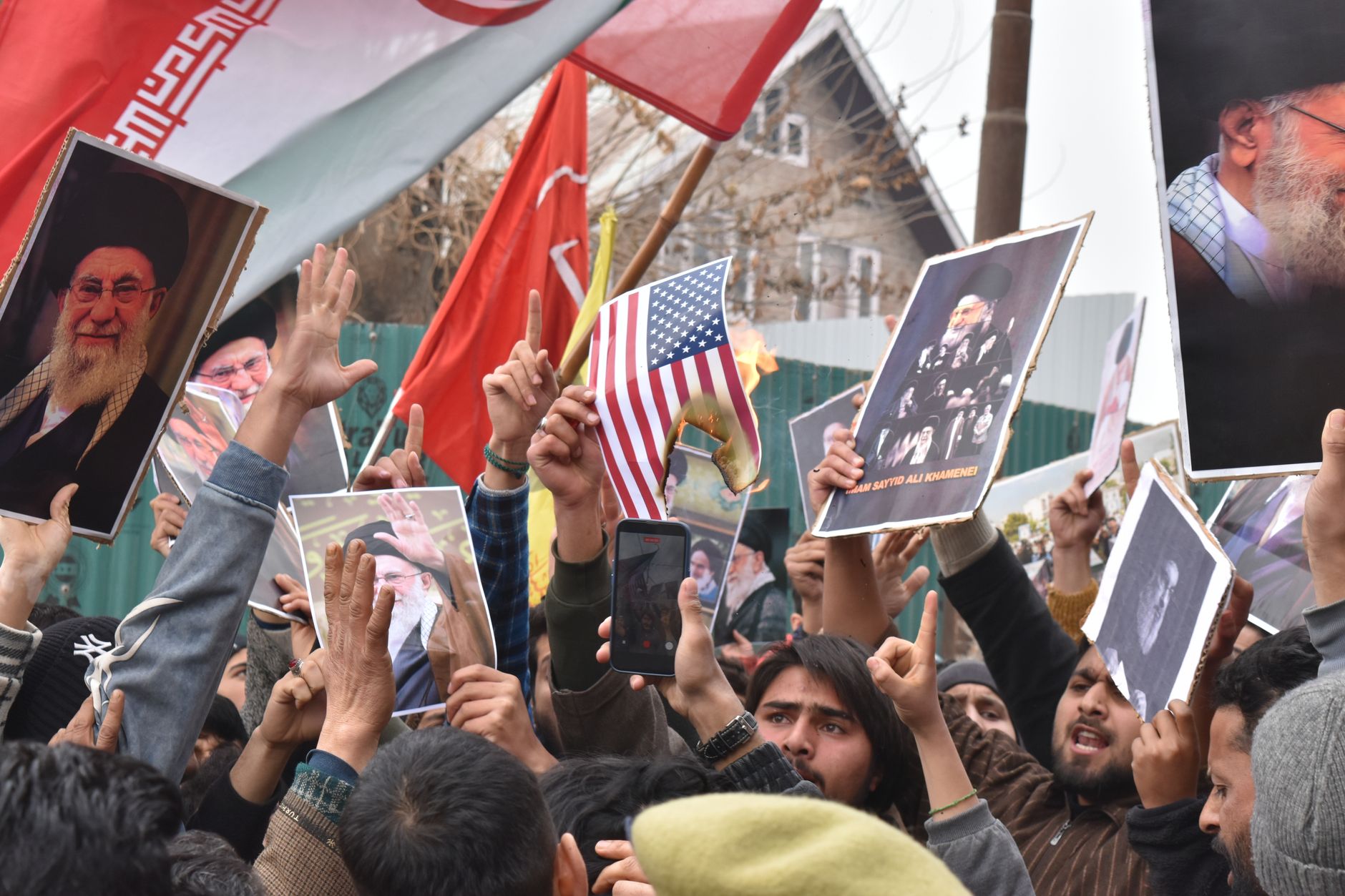
In a striking message that reverberates across the region, Iran's Supreme Leader, Mojtaba Khamenei, has called upon Muslim nations to set aside their differences and recognise what he terms their "real enemy". Addressing the leaders of Muslim-majority countries, Khamenei implored them to unite against the United States and Israel, accusing these nations of exploiting divisions to further their own interests.
His letter, released just as the region marks six months since the outbreak of conflict, underscores a longstanding narrative from Tehran, which has often viewed Western influence as a destabilising force. "Recognise your real enemy, understand its plan, and confront it," Khamenei urged, framing his message as a plea for solidarity among Muslim nations.
Context of the Message
The timing of Khamenei's call is significant. The region has been embroiled in conflict for months, and his words serve to galvanise a collective front against perceived adversaries. This rhetoric aligns with Iran's continued narrative of resistance against Western hegemony. The Supreme Leader's appeal comes amidst a backdrop of geopolitical manoeuvrings, where alliances are frequently tested and redefined.
In Iran, the message was also directed inward, urging citizens and officials to foster national cohesion. The internal appeal highlights the dual nature of his message—both international and domestic—aimed at unifying disparate elements under a common cause.
Implications for Regional Stability
Khamenei's call for unity could have multifaceted implications for regional stability. On one hand, a united Muslim bloc could potentially challenge the influence of the United States and Israel in West Asia. On the other, it risks further polarising the region, as countries might be pressured to choose sides in an already volatile environment.
This latest development is a reminder of the complex tapestry of alliances and enmities that characterise the Middle East. Whether Khamenei's call will resonate with neighbouring countries remains uncertain, but it undeniably adds another layer to the intricate geopolitical puzzle that is West Asia.