James Webb Telescope Illuminates the Mysteries of the Lion Nebula
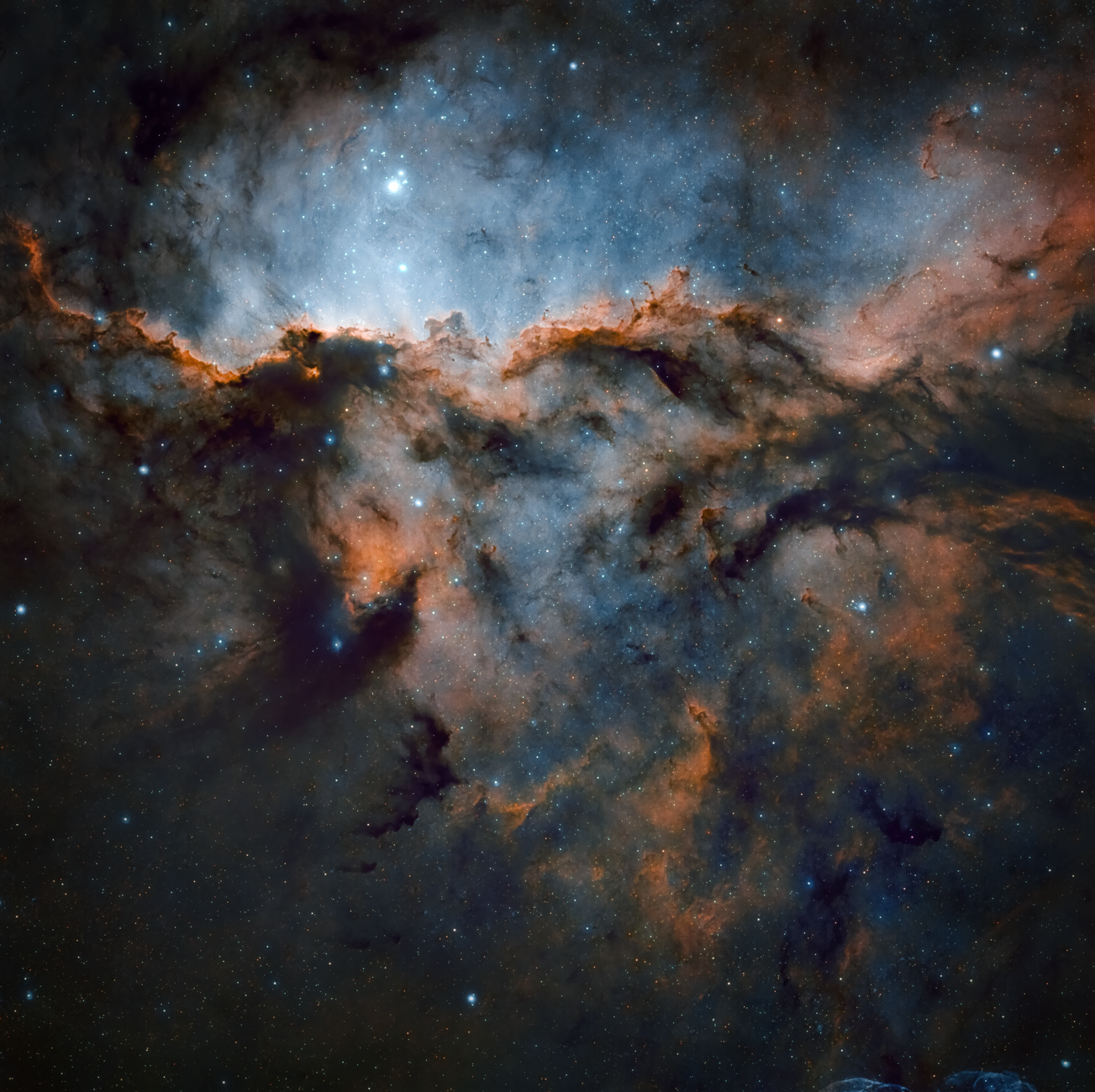
The cosmos has once again dazzled us, this time with the majestic display of the Lion Nebula brought to life by NASA’s James Webb Space Telescope. Known formally as NGC 2392, this celestial spectacle now reveals its secrets with unparalleled clarity, thanks to the telescope’s sophisticated NIRCam and MIRI instruments.
The Webb telescope, with its advanced infrared capabilities, has provided astronomers with a fresh perspective on this planetary nebula, first glimpsed in detail by the Hubble Space Telescope at the turn of the millennium. The new images illuminate the nebula's intricate structure, painting a vivid picture of its ionised gas and dust.
A Cosmic Lion’s Mane
This nebula, located thousands of light-years away, is often likened to a lion's face, with a swirling mane of gas and dust that captivates the imagination. The Webb’s infrared view goes beyond visible light, exposing compact clumps of dust and a delicate haze of ionised gas that shape the nebula's ethereal beauty. As NASA explains, the nebula’s central star, now a white dwarf, continues to shape its surroundings, driving these cosmic changes.
Such detailed observations are not merely academic; they are vital to understanding the life cycles of stars. The Lion Nebula offers a glimpse into the future of our own sun, destined to undergo a similar transformation in billions of years.
New Frontiers in Space Exploration
The revelations from the Webb telescope are a testament to the progress in space exploration and observational technology. By capturing images in the infrared spectrum, Webb unearths phenomena invisible to older telescopes, marking a new era in the study of cosmic formations.
This latest achievement underscores the importance of international collaborations in advancing our knowledge of the universe. As scientists continue to analyse the data, the Lion Nebula stands as a roaring testament to the wonders that await discovery in the vast expanse of space.