Jammu and Kashmir's Sustainable Mining Strategy: A Delicate Balance
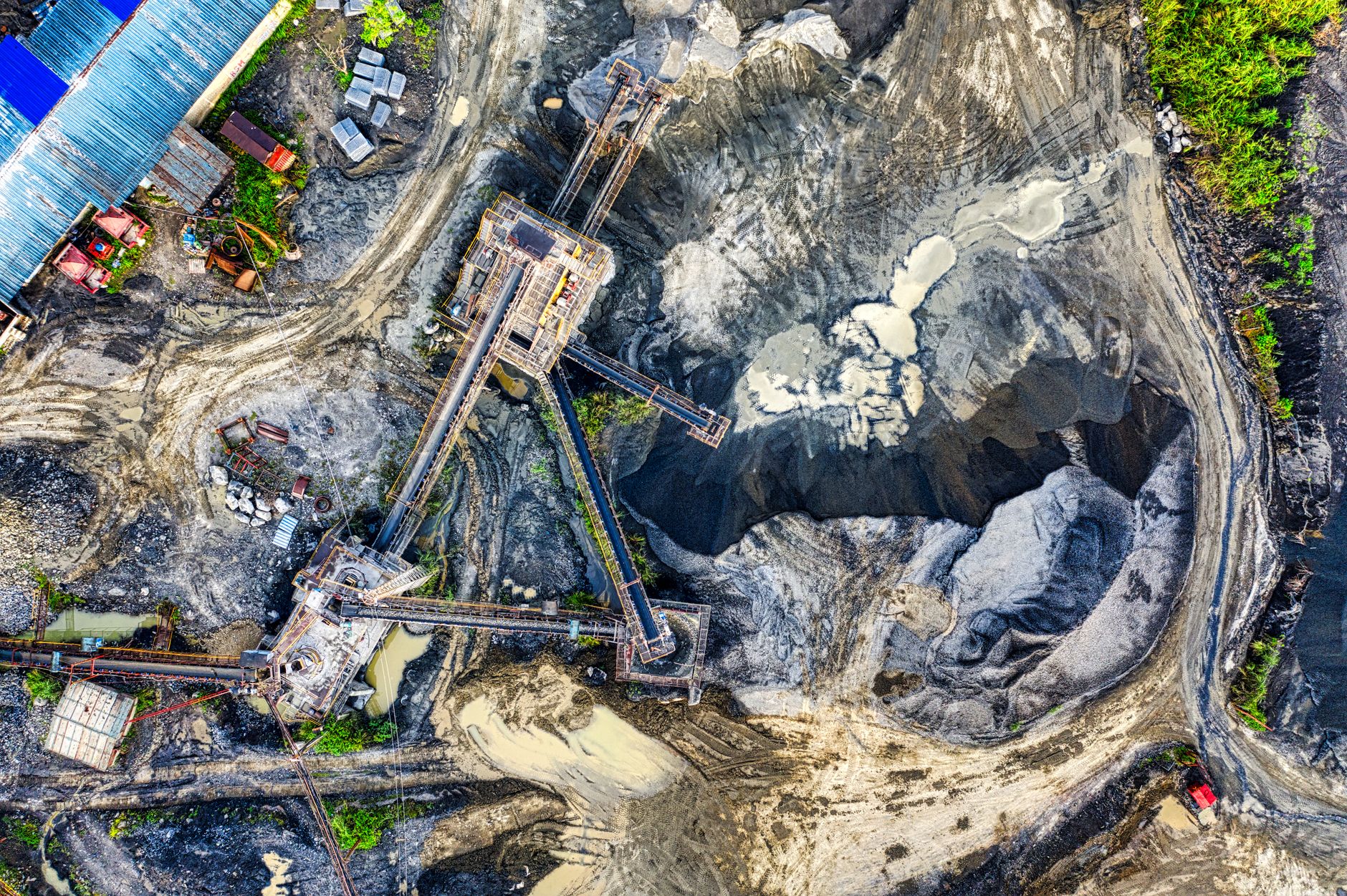
In the picturesque valleys of Jammu and Kashmir, where the rugged beauty of the landscape often belies the complexities beneath, the government has embarked on a new path. This week, officials unveiled a sustainable mining approach aimed at striking a delicate balance between environmental preservation and the region's burgeoning construction needs.
With the National Green Tribunal (NGT) casting a critical eye on the environmental impact of construction activities, particularly at sites like the 540-MW Kwar project, the government's announcement comes at a crucial juncture. The tribunal's findings highlighted significant discrepancies in material usage, raising alarms over potential ecological harm.
In response, Jammu and Kashmir's administration has pledged a more sustainable approach, one that seeks to harmonise ecological integrity with developmental aspirations. This strategy is not merely reactive but part of a broader vision to ensure that economic growth does not come at the cost of environmental degradation.
Environmental Concerns
The NGT's scrutiny revealed troubling inconsistencies: while the Kwar project reportedly consumed over 74,000 metric tonnes of construction material, permits covered a mere 7,792 metric tonnes. Such figures underscore the urgent need for regulatory oversight and sustainable practices.
The government has assured that future projects will adhere to stringent environmental standards, with a focus on transparency and accountability. This includes regular audits and compliance checks to ensure that projects do not exceed their ecological footprint.
A Broader Vision for Sustainable Development
Jammu and Kashmir's commitment to sustainable mining is part of a larger effort to promote balanced development across the union territory. Recent approvals for major parking projects in Jammu exemplify this approach, aiming to support urban growth while maintaining ecological balance.
As the region grapples with the dual challenges of infrastructure development and environmental conservation, the government's strategy offers a model for other areas facing similar dilemmas. By prioritising sustainability, Jammu and Kashmir is setting a precedent that could influence policy far beyond its borders.
In essence, the region is crafting a narrative where economic progress and environmental stewardship are not mutually exclusive but rather complementary forces driving towards a sustainable future.