Jantar Mantar's Fall from Grace: A New Era for Indian Protests
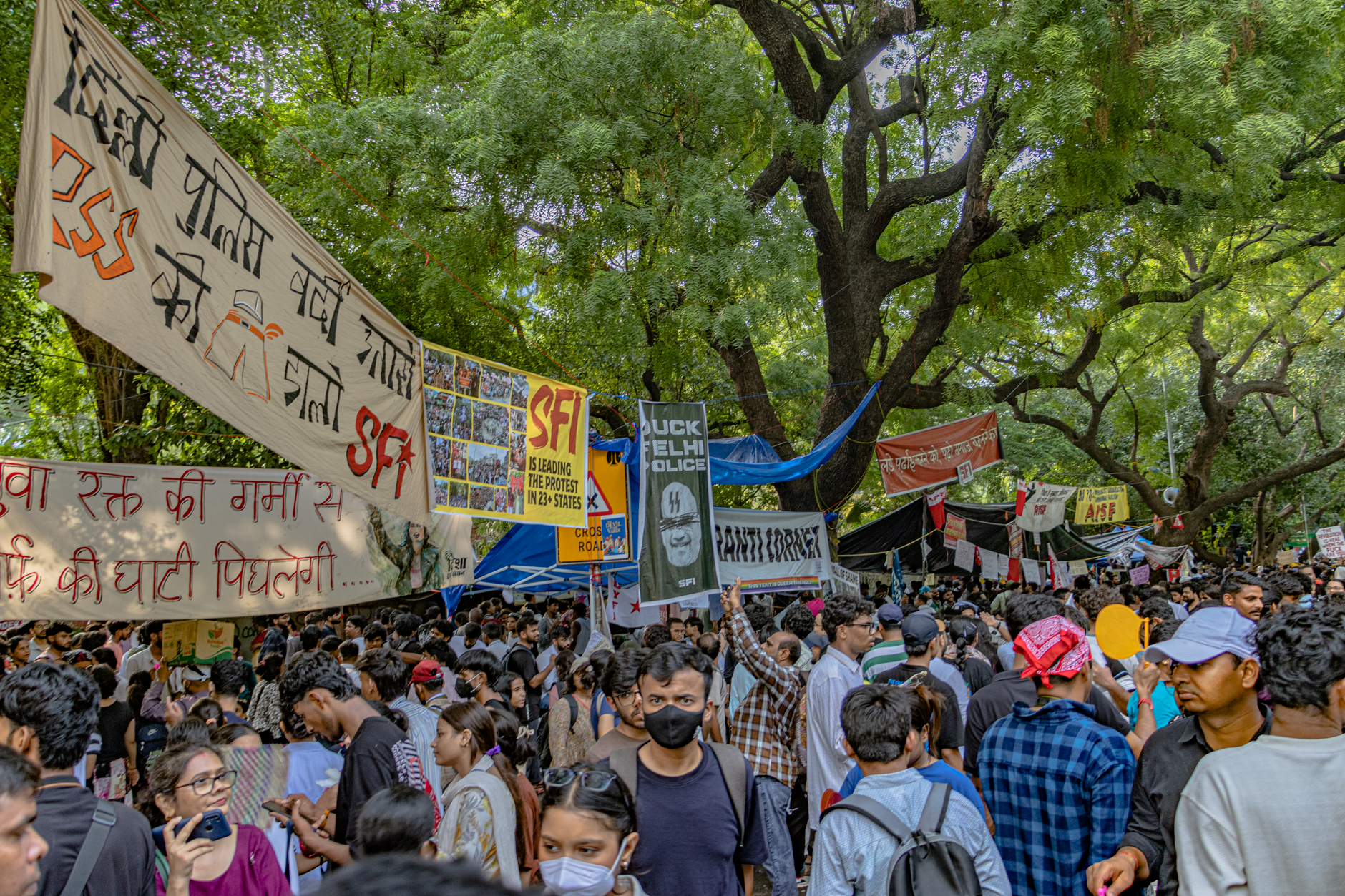
In a move that may redefine the landscape of public dissent in India, Jantar Mantar, the historical hub for protests in Delhi, will no longer serve as a designated protest site. This decision has sparked a debate over the future of civil movements and the freedom of expression in the country.
Once a vibrant epicentre for demonstrations, Jantar Mantar has witnessed protests that shaped the political narrative of India. However, increasing restrictions and logistical challenges have gradually diminished its role. Now, the Delhi Police's presence looms large, transforming the area into what some describe as a 'cantonment'.
The New Order
The decision to relocate protest venues to Ramlila Ground, Burari Ground, and CBD Ground in east Delhi is seen by many as a significant shift. These sites, although larger, lack the historical weight and centrality of Jantar Mantar. The move, some argue, might dilute the impact of protests, making it harder for demonstrators to capture the public and media's attention.
Moreover, the Supreme Court's involvement, seeking feedback on the site's suitability for protests, underscores the complexities involved. Concerns over safety and logistical challenges have been cited as reasons for the change, but activists see it as a broader attempt to control and contain dissent.
Implications for Civil Movements
For activists, the relocation represents more than a mere change of venue. It symbolises a shift in how dissent is perceived and managed by the authorities. With Jantar Mantar's central location now off-limits, protestors fear a loss of visibility and, consequently, influence.
Bhattacharya, a noted activist, expresses concern over the development. "This is not just about a change in location. It's about the ability of civil movements to be heard and seen," he says. The sentiment resonates with many who view the move as part of a growing trend towards limiting spaces for public expression.
The debate is ongoing, and as the government and judiciary deliberate, the future of protest in India hangs in the balance. What remains clear is that the spirit of dissent, much like the protests themselves, will adapt and endure, even if the venues change.