Japan's MMX Mission: A Pioneering Voyage to Mars' Moons
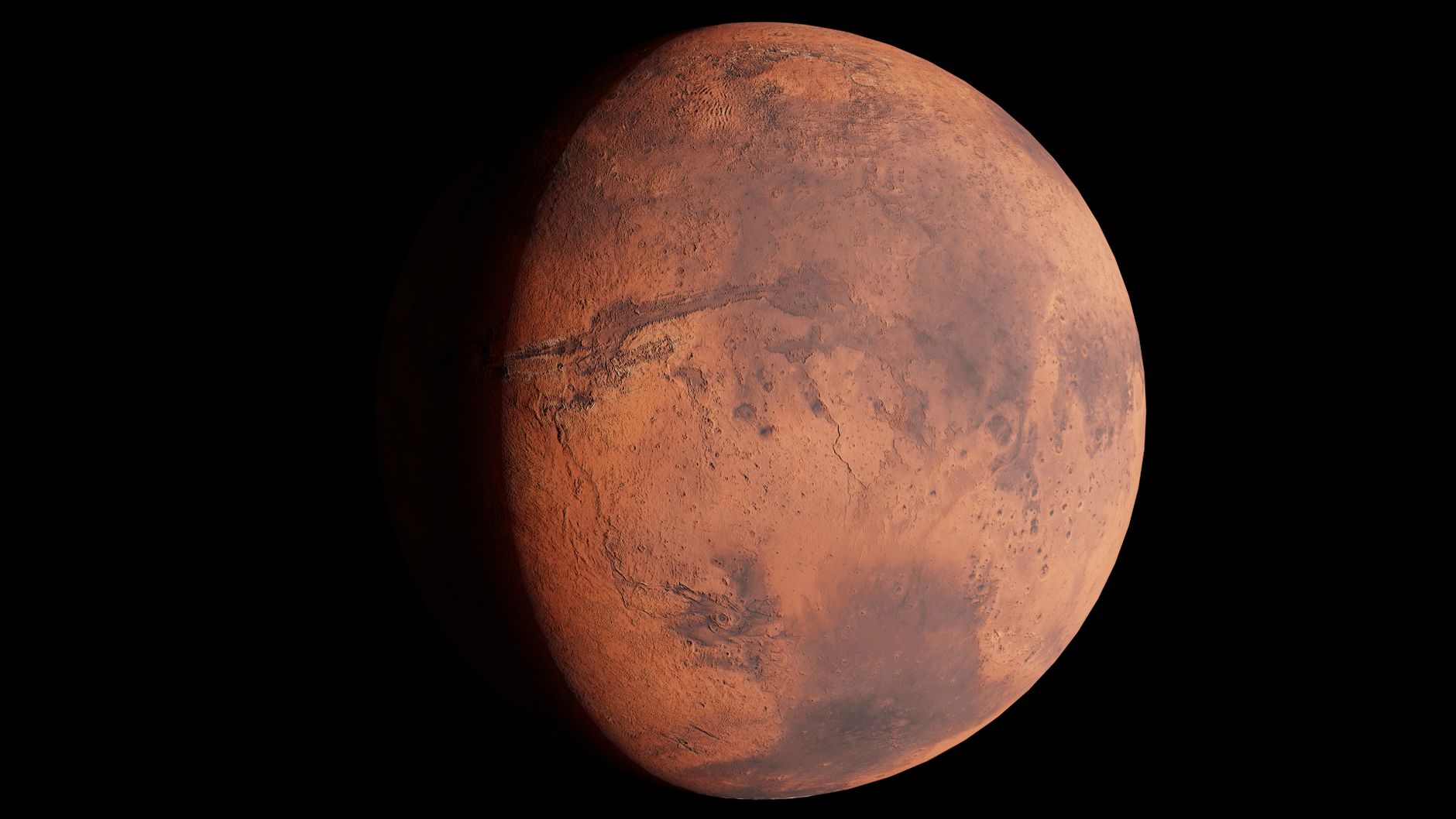
In an audacious leap for space exploration, Japan is preparing to embark on its Martian Moons eXploration (MMX) mission, a venture that promises to deepen our understanding of the Martian system. Set to launch in 2026, the mission will target the enigmatic moons of Mars, Phobos and Deimos, with the objective of bringing back samples to Earth by 2031.
The Japan Aerospace Exploration Agency (JAXA) has a history of successful space missions, notably the Hayabusa projects that returned asteroid samples in 2010 and 2020. However, the MMX mission presents its own unique challenges. The moons of Mars, particularly Phobos, have extremely low gravity, making the task of collecting samples a technical tour de force.
The Road to Mars
Launching from Japan's Tanegashima Space Centre aboard an H3 rocket, MMX will take approximately a year to reach the Martian system. Once there, it will spend three years orbiting Mars and its moons, conducting a series of scientific experiments and gathering data on the moons' composition, structure, and history.
According to Yasuhiro Kawakatsu, the project manager for MMX, the mission's primary goal is to gain insights into the origins of these celestial bodies. Are Phobos and Deimos captured asteroids, or did they form from debris created by a massive impact on Mars? The samples retrieved might hold the key to these questions.
Overcoming Challenges
The technical hurdles are significant. The spacecraft must execute delicate manoeuvres to land on the moons and collect dust and rock samples in an environment where gravity barely holds sway. Despite these challenges, JAXA's experience with the Hayabusa missions has equipped it with the necessary expertise to attempt such a daring feat.
As the mission progresses, it will undoubtedly capture the imagination of scientists and the public alike, promising not just scientific data, but also a narrative of human tenacity and ingenuity. The successful return of samples by 2031 could provide unprecedented insights into Mars and its moons, potentially rewriting our understanding of the solar system's past.