Japan's MMX Mission: Aiming to Unravel the Mysteries of Martian Moons
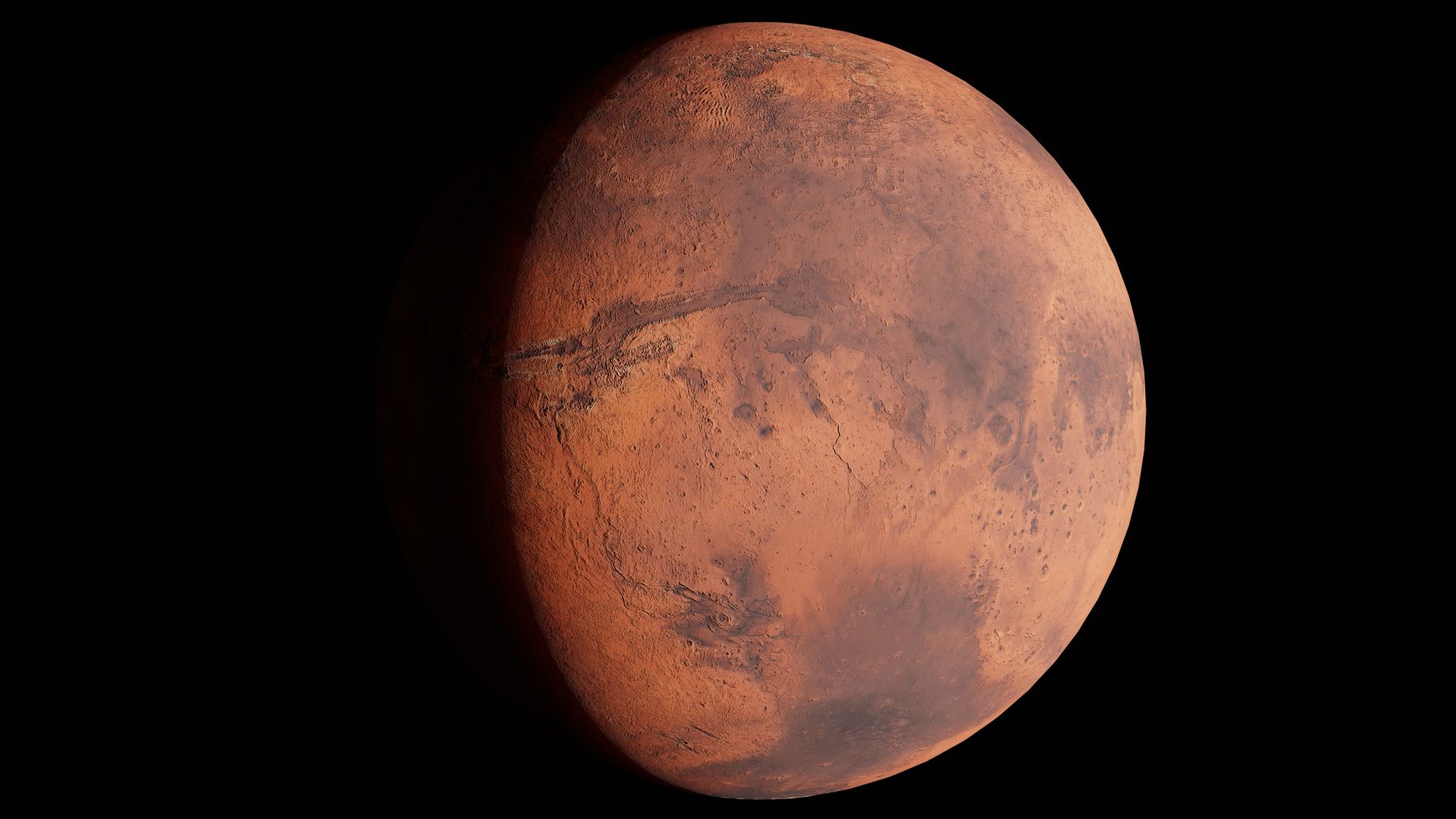
In a bold leap for space exploration, Japan's MMX mission is set to answer some of the most perplexing questions about the Martian moons, Phobos and Deimos. These moons, often likened to misshapen potatoes, have puzzled scientists for decades. Are they captured asteroids or remnants from the Red Planet itself? The answer, it seems, might finally be within reach.
The Martian Moons eXploration (MMX) mission, spearheaded by the Japan Aerospace Exploration Agency (JAXA), is ambitiously aiming to bring back samples from Phobos, marking a world-first achievement. The mission, scheduled for launch in 2026, promises to be a five-year odyssey across the cosmos, culminating in the return of at least 10 grams of extraterrestrial material by 2031.
International Endeavour
This mission is not solely a Japanese venture. It is a testament to international collaboration with participation from five of the world's leading space agencies. Such cooperation underscores the global significance of the scientific pursuit, as researchers strive to unlock the mysteries of our neighbouring planet's satellites.
The stakes are high. Determining the origins of Phobos and Deimos could provide insights into the early solar system's dynamics and the processes that shaped planetary bodies. These findings may even inform future missions targeting asteroid mining or other celestial bodies.
Technological and Scientific Ambitions
Technologically, the MMX spacecraft is a marvel. Equipped with cutting-edge instruments, it will conduct detailed observations and analyses of the Martian moons. The mission's success lies in its ability to land on Phobos, collect samples, and safely return them to Earth—a feat that demands precision and innovation.
Upon its return, the samples will undergo rigorous examination, potentially revealing the moons' composition and offering clues to their origins. The scientific community eagerly anticipates the data, which could decisively tip the scales towards one of the conflicting theories regarding the moons' formation.
As the MMX mission prepares to embark on its journey, it represents a beacon of human curiosity and scientific endeavour. While the quest to understand our celestial neighbours continues, this mission stands as a pivotal moment in our exploration of the cosmos.