Jharkhand Student Leader's Health Fails Amid Hunger Strike
In the searing heat of Ranchi, Devendra Nath Mahto sits resolute, though visibly weakened. His 15-day hunger strike, a protest against alleged irregularities in the Jharkhand Public Service Commission (JPSC) and Jharkhand Staff Selection Commission (JSSC) examinations, has taken a severe toll on his health. 'My body's organs are unable to cope,' Mahto reportedly stated, his words a stark testament to the physical cost of his unwavering commitment.
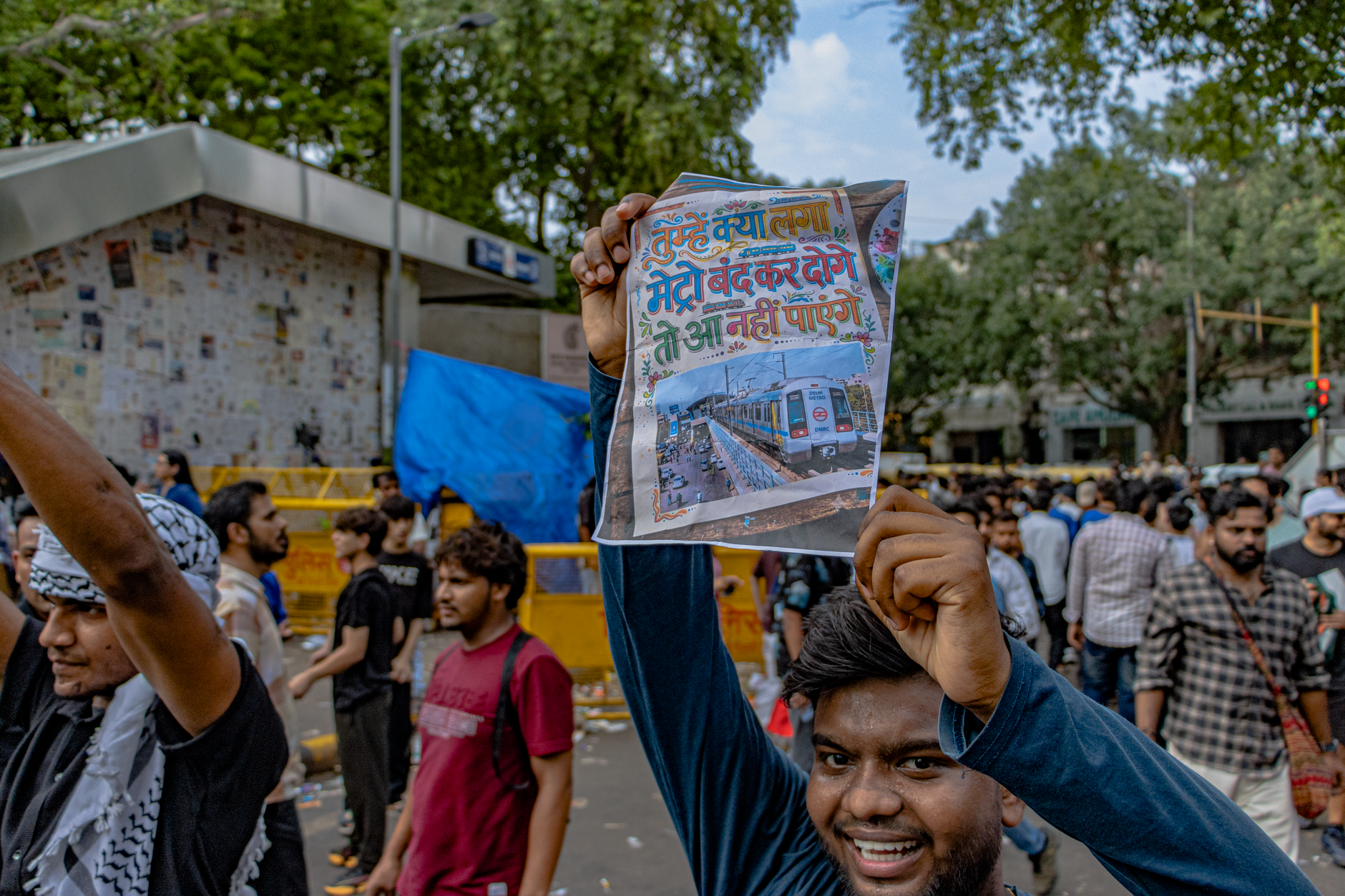
Mahto, a prominent student leader, has become the face of a broader movement demanding transparency and accountability in state recruitment processes. Protesters, gathering in solidarity, are calling for a Central Bureau of Investigation (CBI) probe and the cancellation of controversial exams. The crowd's chants reflect widespread frustration with the current system.
As Mahto's condition deteriorates, with medical professionals expressing increasing concern, the urgency for action grows. His plight underscores the lengths to which individuals are willing to go to demand what they see as justice. The hunger strike is not merely a personal endeavour but a rallying point for many disillusioned by the perceived opacity and corruption within the recruitment framework.
A Crisis of Governance
The situation raises pressing questions about governance and administration in Jharkhand. Critics argue that the alleged irregularities in the recruitment process undermine the state's credibility and meritocracy, affecting thousands of aspiring candidates. For Mahto and his supporters, the hunger strike is a desperate plea for systemic change.
The state government, so far, has remained largely non-committal, urging dialogue but offering little in the way of concrete solutions. Meanwhile, Mahto's health remains in the balance, a poignant reminder of the human cost of bureaucratic inertia.
The Broader Implications
This protest is more than a mere call for reform; it is a reflection of a larger malaise that plagues many public institutions in India. The cry for transparency, fairness, and accountability is not new, but the extreme measures undertaken by Mahto have reignited public discourse around these issues.
As Jharkhand's youth rally behind Mahto, the question remains: will the government heed this call for change, or will it, like many before, fade into the annals of ignored dissent?