Jharkhand Student Leader's Health Falters Amid Hunger Strike
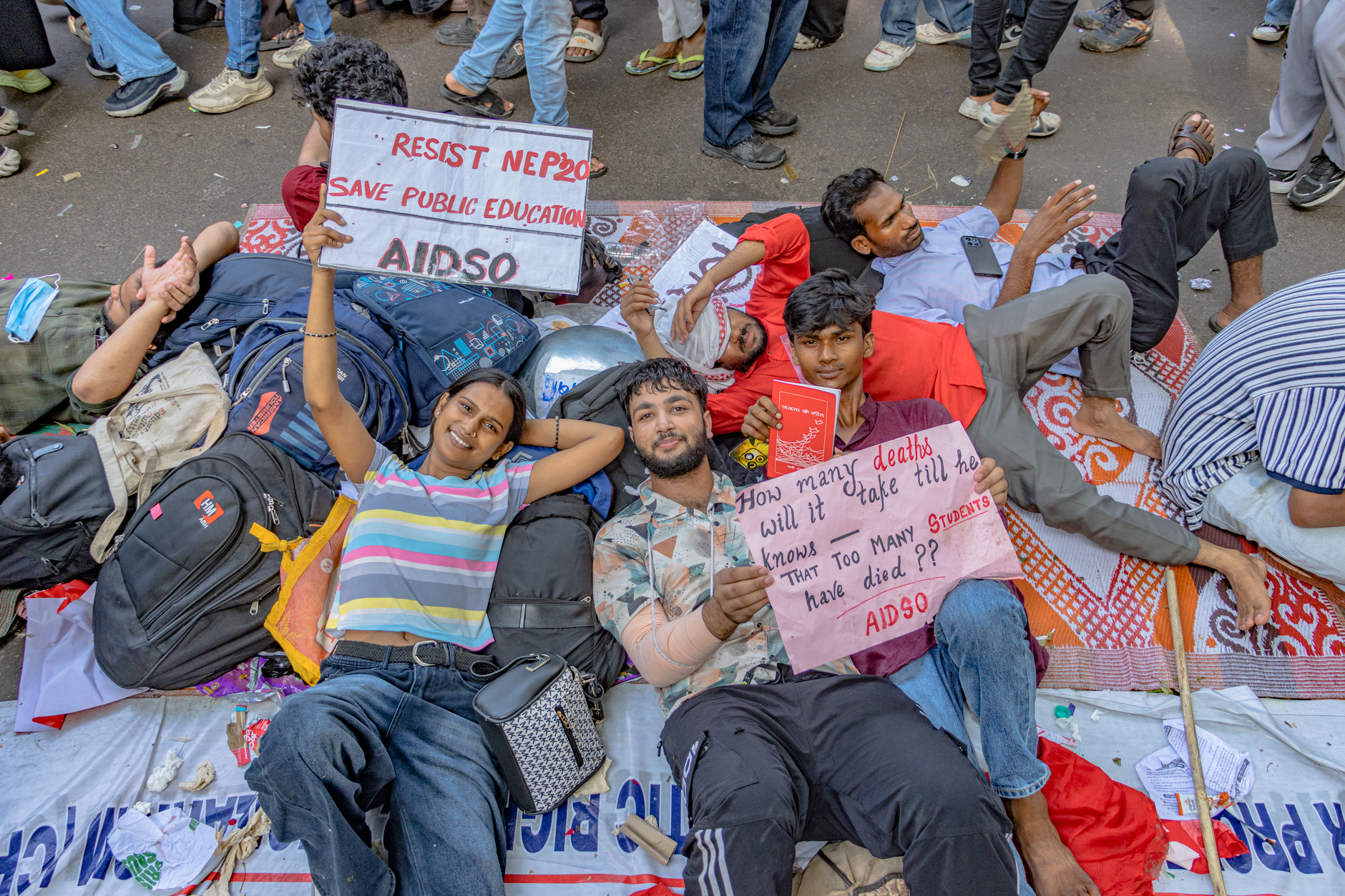
The air is thick with tension at the Jaipal Singh Munda Stadium in Ranchi, where Devendra Nath Mahto, a resolute student leader, finds himself in a grim battle not just for educational reform but increasingly for his own survival. On a hunger strike now entering its fifteenth day, Mahto's health is reported to be in a precarious state. His body, he admits with a steely resolve, "is unable to cope" with the relentless toll of starvation.
Mahto, alongside other aspirants, is demanding sweeping recruitment reforms, a thorough investigation by the Central Bureau of Investigation into alleged exam malpractices, and the annulment of controversial examinations. The protest has drawn significant attention, yet government action remains frustratingly elusive.
Reports indicate that Mahto is severely dehydrated, with dangerously low blood pressure and blood sugar levels. Despite these alarming signs, he remains at the forefront of the protest, a stark symbol of the student community's desperation and determination.
The agitation, primarily led by those affected by the recruitment process, underscores the deep-seated frustrations of Jharkhand's youth with what they perceive as a flawed and corrupt system. "Our demands are straightforward," Mahto stated in a faltering voice, "We seek transparency and fairness."
In response to the mounting pressure, state officials have opened channels for dialogue, inviting suggestions via email. However, for Mahto and his fellow protesters, these gestures fall short of the concrete actions they seek. The hunger strike highlights a broader narrative of student activism in India, where young leaders like Mahto are willing to risk their health and lives to bring about change.
As the strike continues, the question remains: how long can Mahto's body endure this self-imposed ordeal, and will the government respond before it's too late?