Jodrell Bank Telescope Faces Closure Amidst Funding Cuts
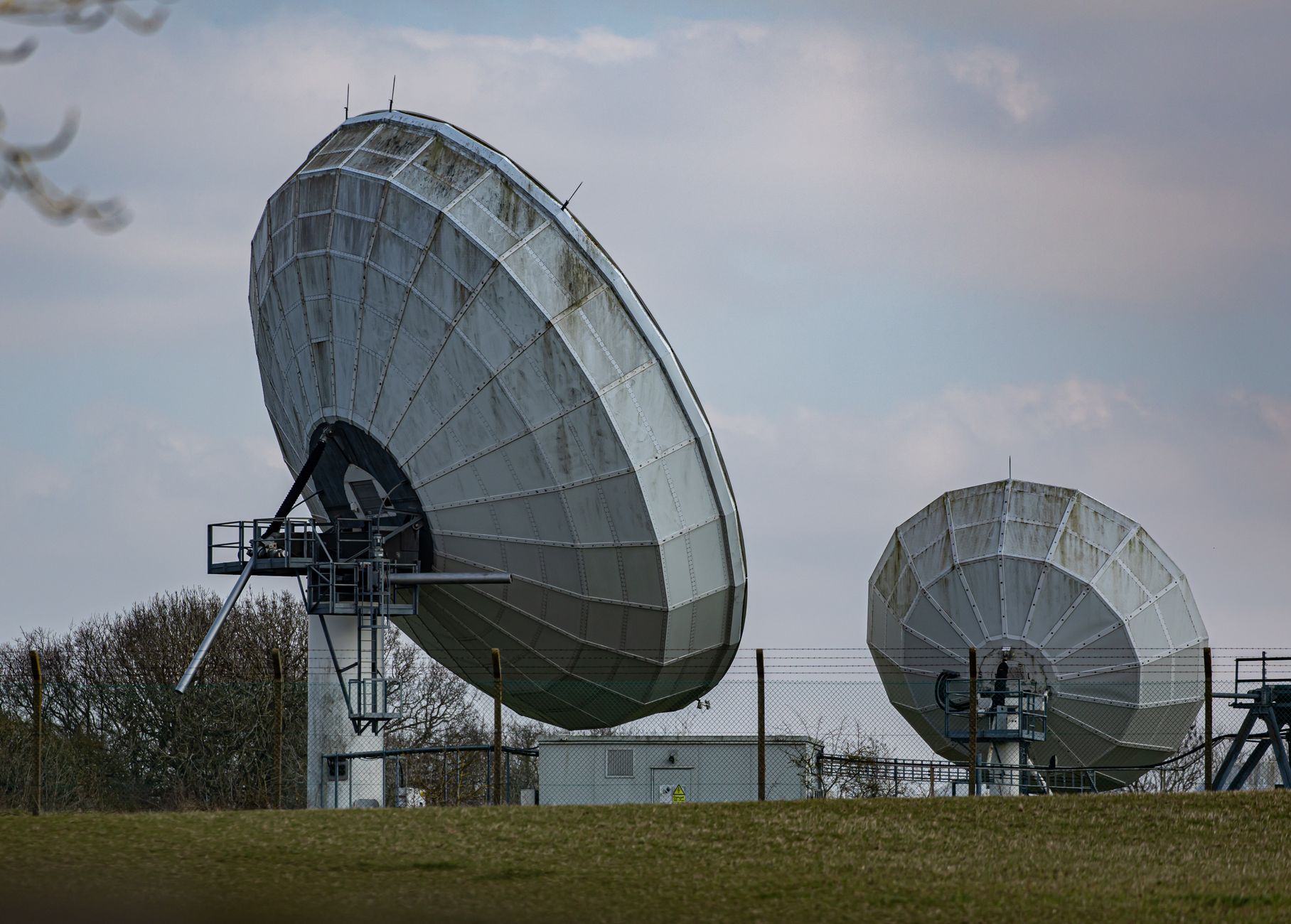
At sunrise, the Lovell Telescope at Jodrell Bank stands as a sentinel of science, its massive white dish poised against the sky. Yet, this emblem of British scientific achievement now faces the axe due to proposed funding cuts. The potential closure of this Cheshire landmark has sent ripples of concern through the scientific community.
The Lovell Telescope, part of the Jodrell Bank Observatory, has been a cornerstone of radio astronomy since the 1950s. Its towering presence has not only contributed to monumental discoveries in astrophysics but has also inspired generations of scientists. The prospect of its closure has sparked warnings from astronomers, who fear a significant blow to the UK's scientific landscape.
"The loss of the Lovell Telescope would tear the heart out of UK science," remarked Dr. Helen Fraser, a leading astrophysicist. "It's not just about the data we might miss; it’s about the future of our scientific community and the training of young scientists."
For decades, the observatory has played a critical role in expanding human comprehension of the cosmos. From tracking Soviet spacecraft during the Cold War to recent efforts in understanding celestial phenomena, Jodrell Bank has been at the forefront of astronomical research.
A Legacy Under Threat
Funding cuts come amidst a backdrop of austerity measures that have impacted numerous scientific projects across the nation. The proposed budget reductions could mean that essential maintenance and operational costs for the Lovell Telescope remain unmet, leading to its potential decommissioning.
The telescope’s closure would not only mark the end of a historical era in British science but also impede the training of future astronomers. Without access to such advanced facilities, students and researchers may find themselves at a disadvantage compared to their international counterparts.
"Jodrell Bank is more than just a telescope; it's a beacon of learning and discovery," said Professor Mark Whitmore of the University of Manchester. "Losing it would be like tearing down a library of cosmic knowledge."
As the debate over scientific funding continues, the fate of the Lovell Telescope hangs in the balance. It serves as a reminder of the delicate interplay between scientific ambition and financial reality.
The Way Forward
Supporters of the observatory urge the government to reconsider its funding strategy, highlighting the vital role of Jodrell Bank in both scientific advancement and education. They argue that investing in such institutions is investing in the future of British science.
While the future of the Lovell Telescope remains uncertain, its legacy as a pioneer of radio astronomy endures. The coming months will be crucial in determining whether this giant of the scientific world will continue to reach for the stars or be consigned to history.