Judiciary's Role: CJI Cautions Against Political Entanglement
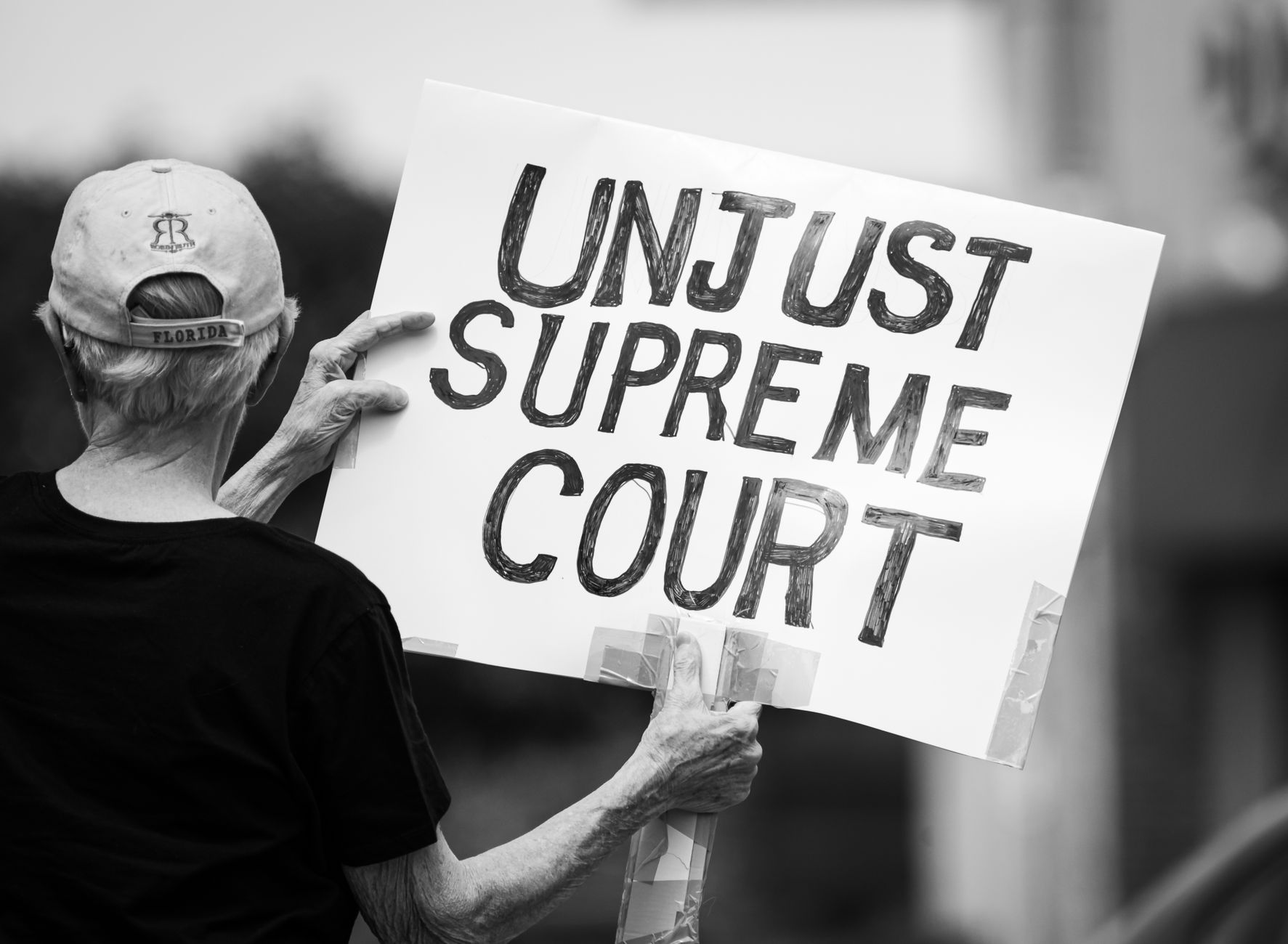
In a climate charged with political fervour and public protests, the Chief Justice of India (CJI) has issued a stern reminder of the judiciary's pivotal role in maintaining democratic balance. "Democratic and political protests must take place," he noted, "but the Supreme Court must not be dragged into it." This statement comes amid a backdrop of increasing demonstrations both within India and abroad, as citizens express discontent over various socio-political issues.
With protests erupting from issues as varied as university grievances to political dissatisfaction in the United States, the CJI's remarks underscore a crucial distinction. The judiciary, he implied, should remain an impartial arbiter, unswayed by the winds of political change. This principle is essential to uphold the trust vested in judicial institutions by the populace.
Protests: A Double-Edged Sword
Protests, while a fundamental democratic right, often tread a fine line. In Aligarh, for instance, a protest that began over seemingly mundane issues like mess food quality at the Women's College swiftly escalated into a larger dialogue about representation and governance. Such instances highlight how seemingly minor grievances can snowball into major political movements.
Internationally, cities like New York and Chicago have witnessed protests that morph from peaceful assemblies into more volatile confrontations. The CJI's cautionary words thus serve as a timely reminder of the judiciary's duty to remain above the fray, focusing on constitutional interpretation rather than political participation.
The Judiciary's Independence
The CJI's comments also reflect a broader concern about the judiciary's role in preserving democratic integrity. As political tensions rise, there is a temptation for various factions to seek judicial endorsement of their causes. However, the judiciary must resist such enticements to maintain its credibility and authority.
In conclusion, the CJI's stance is a clarion call for judicial restraint and independence amidst the cacophony of political discourse. While protests are essential to democracy, the judiciary's role is to interpret the law, not to adjudicate political battles. This separation of powers is vital to the health of any democracy, ensuring that justice remains blind and impartial.