Karnataka's Teacher Shortage and Rising School Dropout Rates
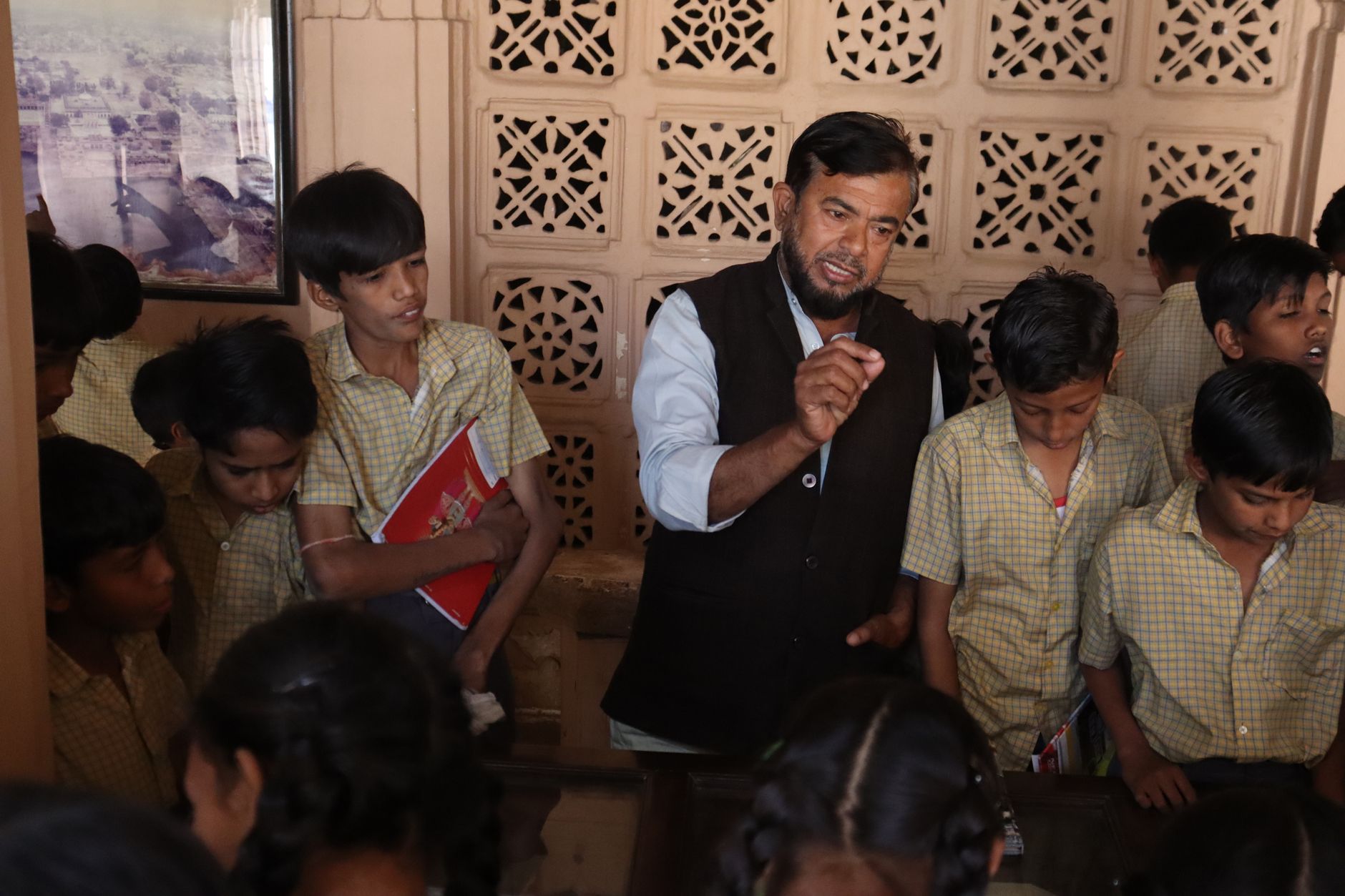
In the heart of Karnataka, a silent crisis is unfolding. The state's education system is grappling with a dual challenge: a crippling shortage of teachers and an alarming increase in student dropout rates. The situation is particularly dire in the less affluent areas, where the absence of educators is felt most acutely.
For many students, the prospect of continuing education seems increasingly remote. With fewer teachers to guide them and mounting familial pressures, the allure of leaving school for work is often irresistible. School affairs committees, initially intended to bridge gaps between parents and educators, have inadvertently become forums for grievances and discontent, compounding the challenges faced by already overburdened teachers.
In approximately 20% of Karnataka's high schools, this crisis is most pronounced. These institutions, often situated in economically disadvantaged areas, report the highest dropout rates. The reality for these youths is stark: education is a luxury few can afford, both in terms of time and resources.
Community Efforts and Innovative Solutions
Yet, amid the bleak statistics, there are glimmers of hope. In Bashettihalli, a determined government school teacher has transformed his village school by securing corporate social responsibility (CSR) funds. These funds have been pivotal in modernising the school infrastructure and launching student support initiatives, providing a blueprint for others to follow.
Across Karnataka, there is a growing recognition that traditional educational models may no longer suffice. The state has begun experimenting with new approaches, such as personalising learning experiences and creating smaller, more manageable class sizes. These efforts aim to make education more accessible and appealing to students who might otherwise fall through the cracks.
While the road ahead is fraught with challenges, the collective efforts of teachers, communities, and policymakers offer a glimmer of optimism. Finding sustainable solutions to the teacher shortage and dropout crisis will require coordinated action and innovative thinking, but the potential rewards—an educated, empowered youth—are well worth the effort.