Kashmir's Friday Sermons Stir Controversy Amid Calls for Uniformity
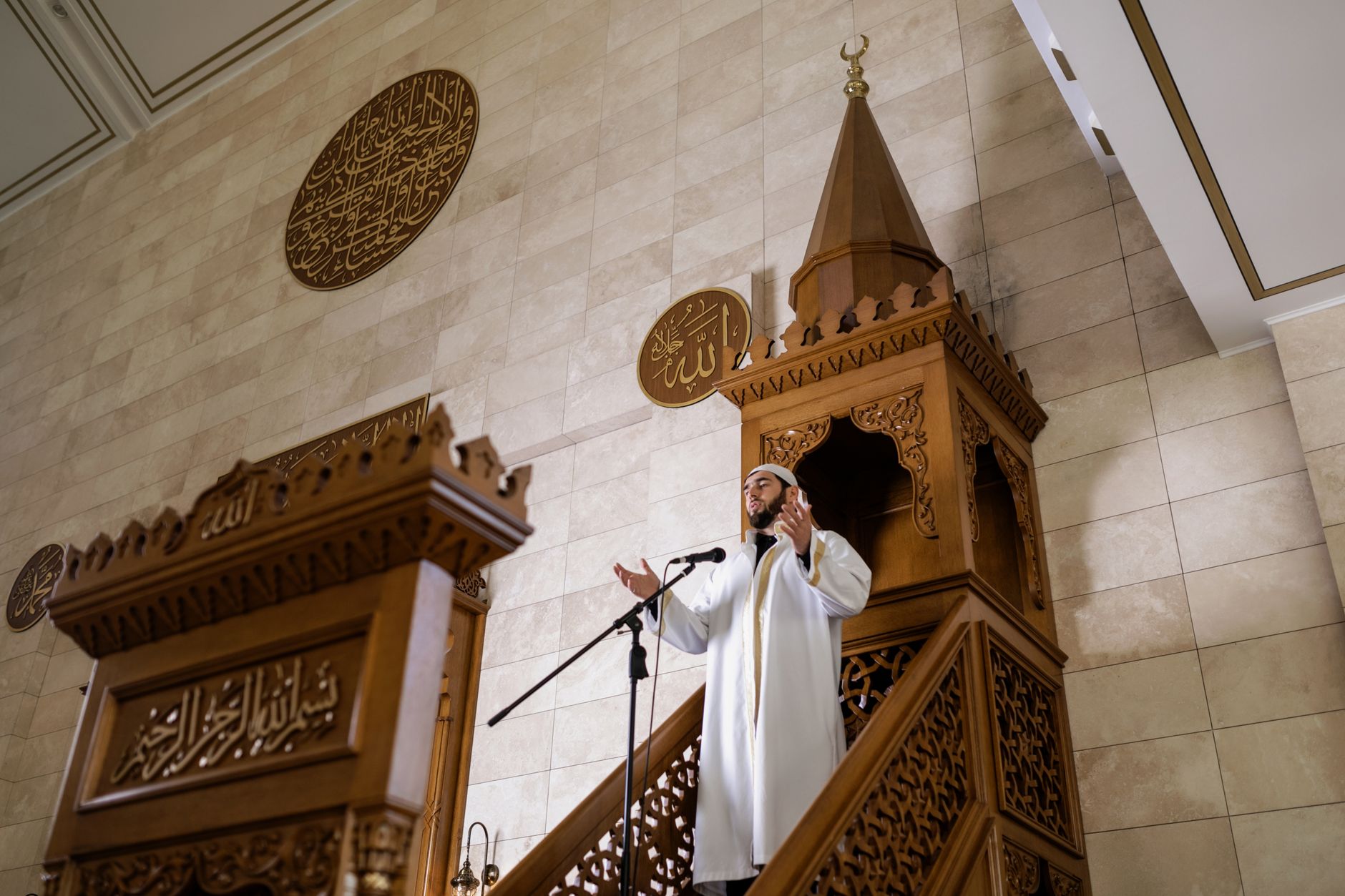
In the ever-turbulent region of Kashmir, a new controversy has emerged with the Waqf Board's proposal for uniform Friday sermons across mosques. The initiative, intended to create cohesion, has instead drawn the ire of political and religious figures, who see it as an encroachment on religious autonomy.
Critics argue that the plan undermines the spiritual independence of mosques, making them instruments of governmental power. Syed Ali, a prominent cleric, remarked, "Our sermons are expressions of our faith and culture; they should not be dictated by any external body."
Preservation of Identity
Adding to the complexity is the decision by Kashmiri clerics to deliver sermons in the local language on 16th October, emphasising the preservation of linguistic and cultural heritage. This move is seen as a cultural counterbalance to the proposed standardisation, asserting the region's unique identity amid external pressures.
The backdrop of Kashmir's volatile status between India and Pakistan lends an international dimension to the dispute. Both nations claim the region, and its strategic importance means that local developments often have far-reaching implications.
Global Reactions
As the debate unfolds, global powers like the US and China watch closely, given their vested interests in South Asia's stability. The proposed uniformity in sermons might seem a local affair, but it resonates with the broader theme of cultural resistance against perceived homogenisation.
The region's history of conflict and resistance is well-documented, and this latest episode is a reminder of the delicate balance between governance and cultural preservation. While the Waqf Board insists on the benefits of uniformity, the backlash suggests a deep-rooted desire for autonomy and self-expression amongst Kashmir's Muslims.