Kashmir's Mosques Face Controversy Over Proposed Sermon Uniformity
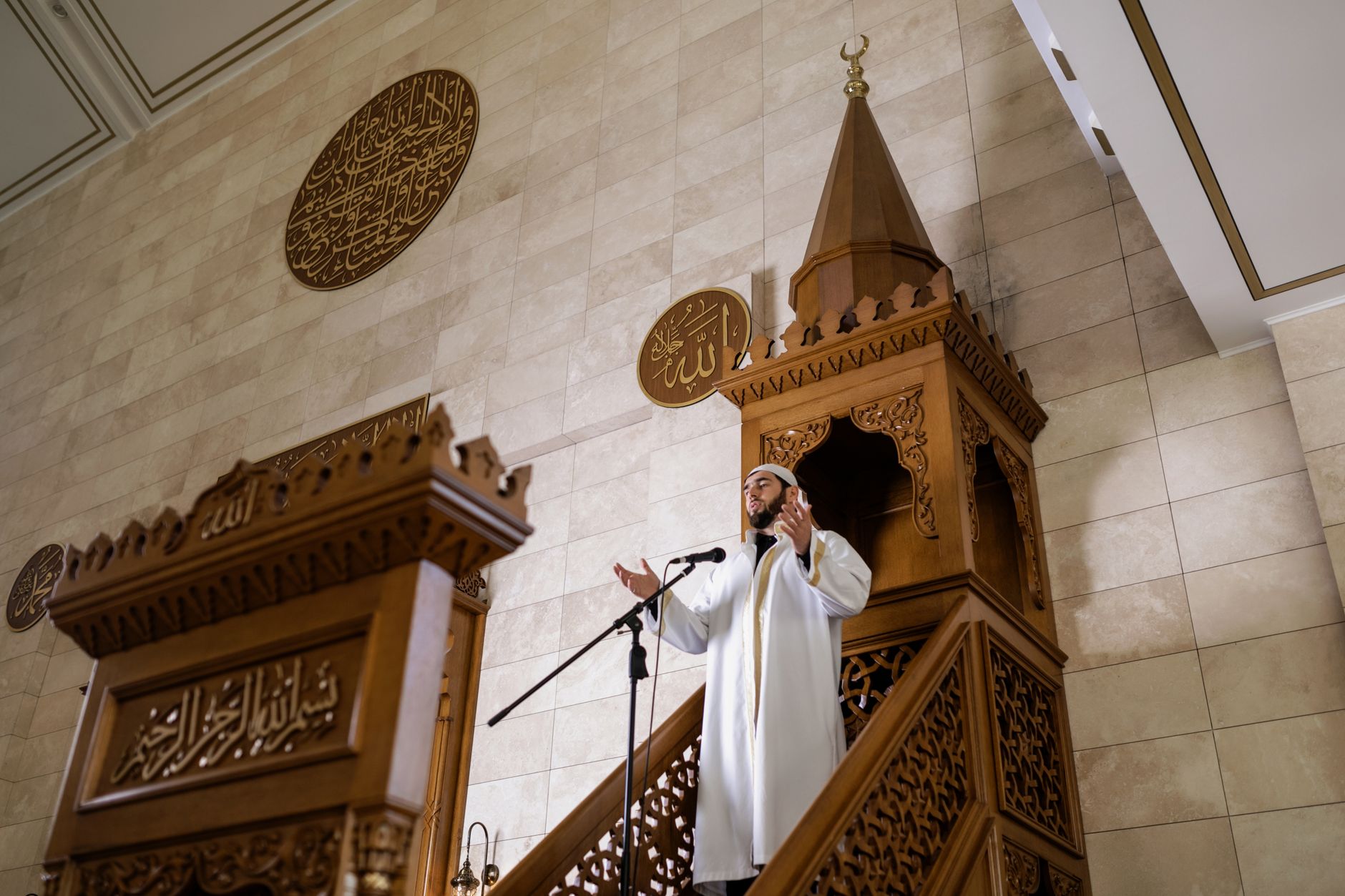
In the tranquil valleys of Kashmir, a storm brews not from the heavens, but from the halls of religious discourse. The recent proposal by the Waqf Board to standardise Friday sermons across mosques in Indian-administered Kashmir has ignited a fiery debate.
Religious leaders and politicians alike have condemned the move, labelling it an unprecedented encroachment on religious autonomy. The proposal, which suggests a centralised script for sermons, is viewed by critics as an overreach by authorities into the spiritual and cultural fabric of the region.
Politicians have been quick to voice their dissent. Mehbooba Mufti, former Chief Minister and a prominent figure in the region, described it as a "direct attack" on Kashmir's religious freedom. "It is not just about sermons," she remarked, "it's about our identity and the right to express our spirituality without interference."
Preserving Cultural Identity
Amidst the uproar, clerics have resolved to deliver their sermons in the Kashmiri language on 16 October. This decision is not merely a linguistic preference but a defiant stand to preserve the region's cultural identity. "Our language is the soul of our heritage," stated one cleric, underlining the importance of cultural integrity in the face of perceived homogenisation.
The move to preach in Kashmiri comes as a response to what many see as a systematic attempt to dilute local customs. For the people of Kashmir, who have long clung to their unique identity amidst political and social turbulence, this proposal strikes a particularly discordant note.
A Wider Implication
Beyond the immediate controversy, the implications of such a proposal raise questions about the broader relationship between the state and religious institutions. The concept of standardising religious discourse is fraught with complexities in a region where faith and identity are intricately intertwined.
The proposal's critics argue that it risks reducing the rich tapestry of local religious practices to a monolithic narrative, stripping away the nuances that define Kashmir's spiritual landscape. Moreover, it highlights the tension between modern governance and traditional religious practices, a balance that remains delicate and often contentious.
As the date approaches, all eyes will be on the mosques of Kashmir, where the echoes of Friday sermons will carry not just words of faith, but a powerful message of cultural resilience.