Kashmir's Sermon Standardisation Sparks Outcry
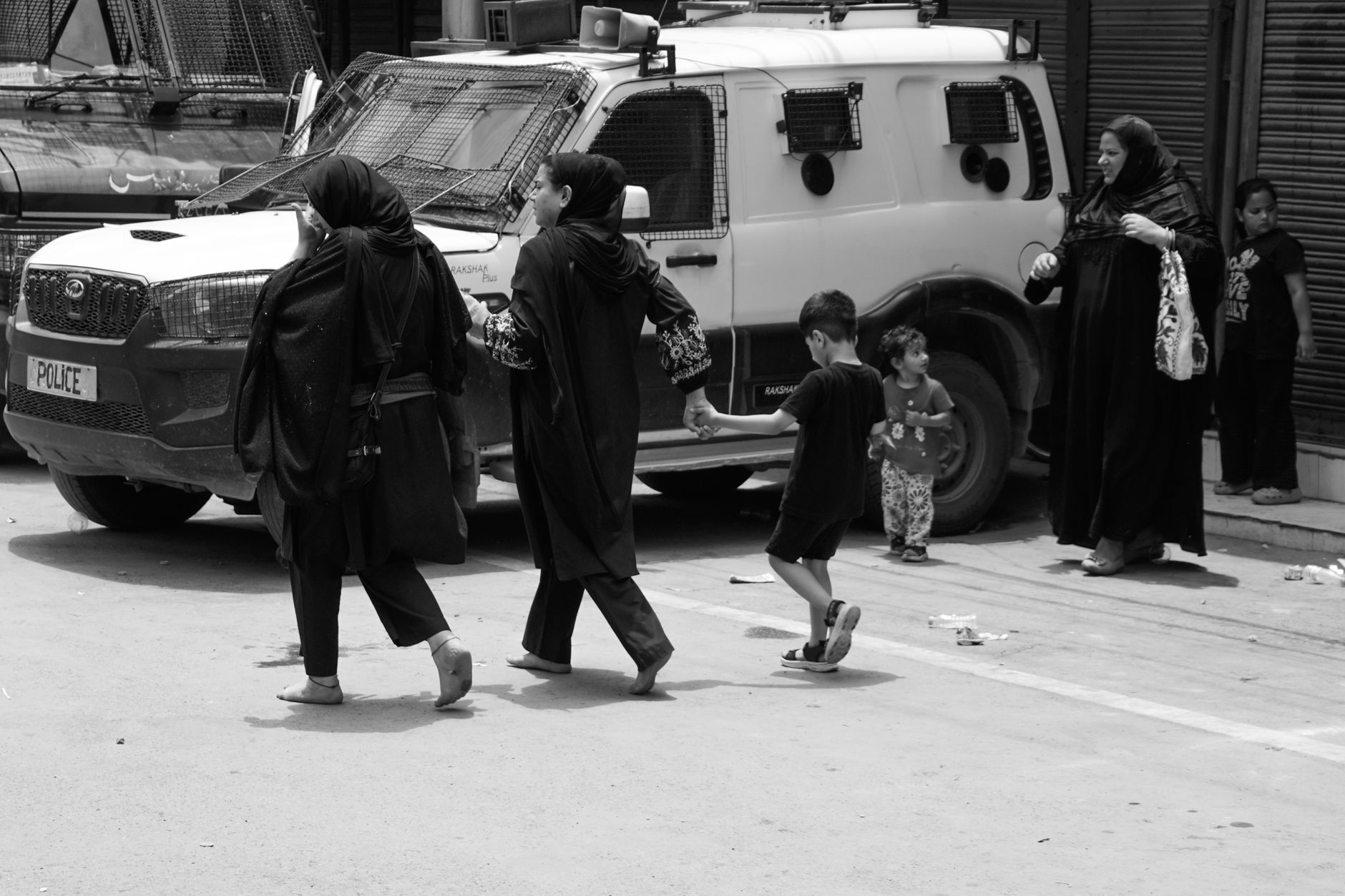
The proposal to introduce uniform Friday sermons across mosques in Kashmir has stirred a hornet's nest, drawing criticism from various quarters. At the centre of the storm is the J&K Waqf Board's recent initiative aimed at standardising sermons, purportedly to foster unity among the region's Muslim populace.
Not everyone is convinced. Mehbooba Mufti, the President of the People's Democratic Party (PDP), has been vocal in her opposition. She contends that such measures infringe upon religious freedoms and undermine Kashmir's rich tapestry of cultural identity.
The proposal suggests that sermons be delivered in Kashmiri, a move intended to preserve the local language and heritage. However, critics argue that it imposes a homogeneity that doesn't reflect the linguistic and cultural diversity of the region.
Resistance from the Pulpit
The suggestion has not sat well with the clergy. Many clerics view this as an unwarranted interference in religious affairs. "The pulpit is a place for spiritual guidance, not political agendas," remarked one cleric, reflecting a sentiment shared by others.
On the ground, the response has been mixed. In some mosques, Friday sermons have already touched upon the topic of racism and social justice issues, linking local struggles to global movements. The narrative around these sermons underscores a desire to maintain autonomy in addressing issues pertinent to the community.
A Broader Context
Historically, Kashmir has been a region of contention and complex identity politics. The 1948 UN resolution calling for a plebiscite remains unfulfilled, leaving a legacy of unresolved questions about self-determination and sovereignty. Within this context, the sermon standardisation proposal appears to many as another layer of external control.
As the debate rages on, the Waqf Board's intentions of fostering unity seem overshadowed by the backlash. The issue raises broader questions about the balance between unity and autonomy, a delicate dance that has long defined Kashmir's socio-political landscape.