KDE Plasma 6.8: Ushering in a New Era for Desktop Environments
On 14th October, KDE Plasma 6.8 will debut, setting the stage for a notable transformation in desktop environments. The latest iteration of KDE's desktop environment decisively shifts from the older X11 system to a Wayland-only framework, echoing a trend embraced by other prominent systems like GNOME.
The significance of this release extends beyond mere technical upgrades. By dropping support for X11, KDE Plasma 6.8 aligns itself with modern protocols that promise enhanced performance and security, reflecting an industry-wide pivot towards more advanced graphical systems.
Key Features and Improvements
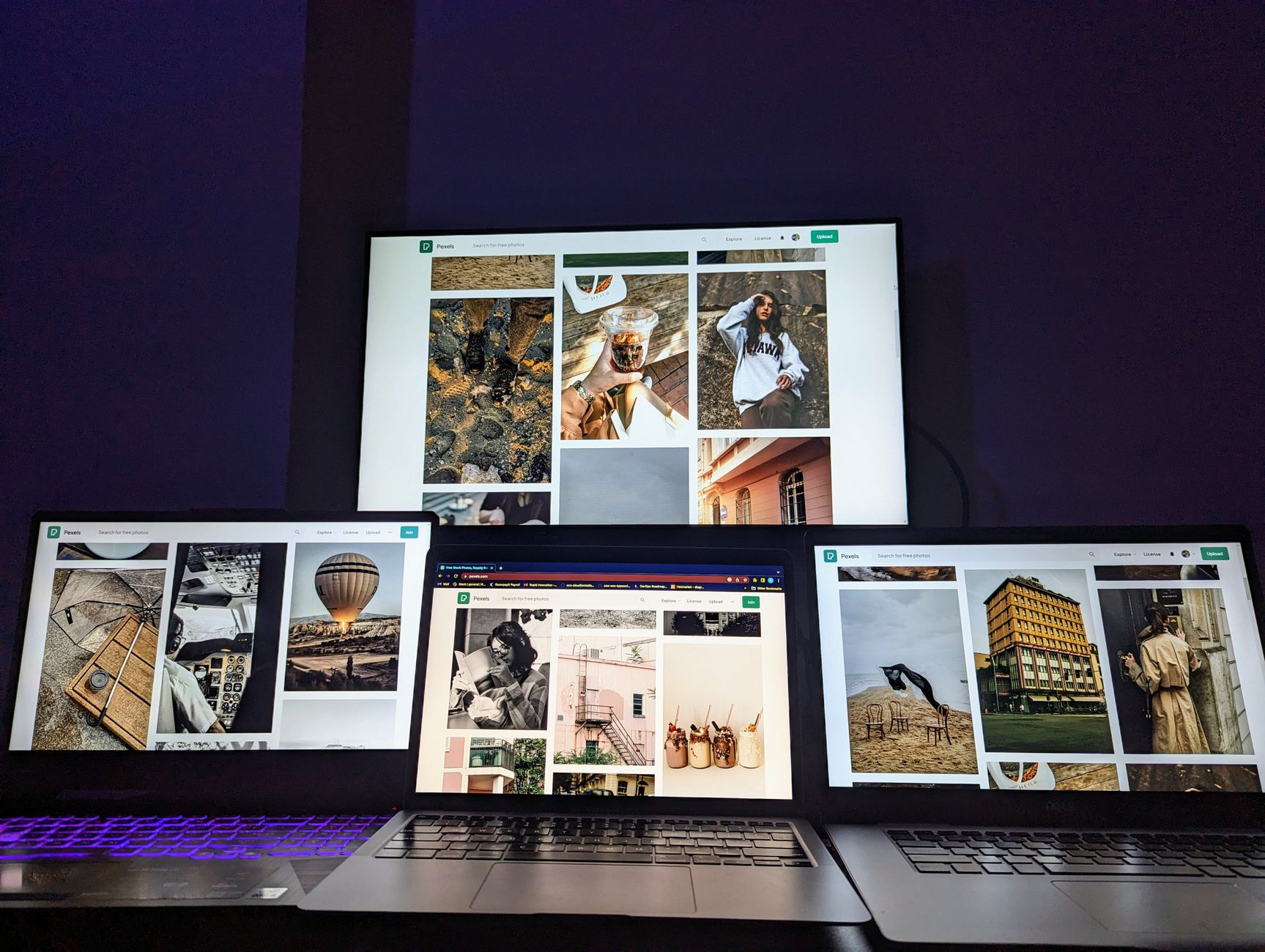
Among the myriad enhancements, users can anticipate improved multi-monitor support, a boon for those juggling multiple displays. The update promises more seamless interactions across screens, making it easier for professionals to manage their virtual workspace.
Another notable improvement is in colour handling within applications, ensuring more accurate and vibrant displays. This is particularly beneficial for designers and content creators who rely on precise colour representation.
The update also streamlines window behaviour and desktop file operations, offering a more intuitive user experience. Enhanced VPN connection dialogues add an extra layer of convenience, reflecting KDE’s commitment to user-centric design.
Why It Matters
While these technical advancements are noteworthy, the shift to Wayland underscores a broader strategic move. Wayland offers a more secure and efficient protocol compared to its predecessor, supporting smoother animations and better handling of modern hardware capabilities.
This transition is not without its challenges. Users accustomed to X11 might face initial hurdles in adjustment. However, the KDE community remains supportive, pledging continued assistance for the Plasma X11 session until early 2027, ensuring a smoother transition for all users.
As KDE Plasma 6.8 prepares to make its mark, it does so with an eye towards future-proofing desktop environments, making this release a milestone not just for KDE, but for the entire open-source community.