Kenya's Solar Ambulance: A Beacon of Health Innovation
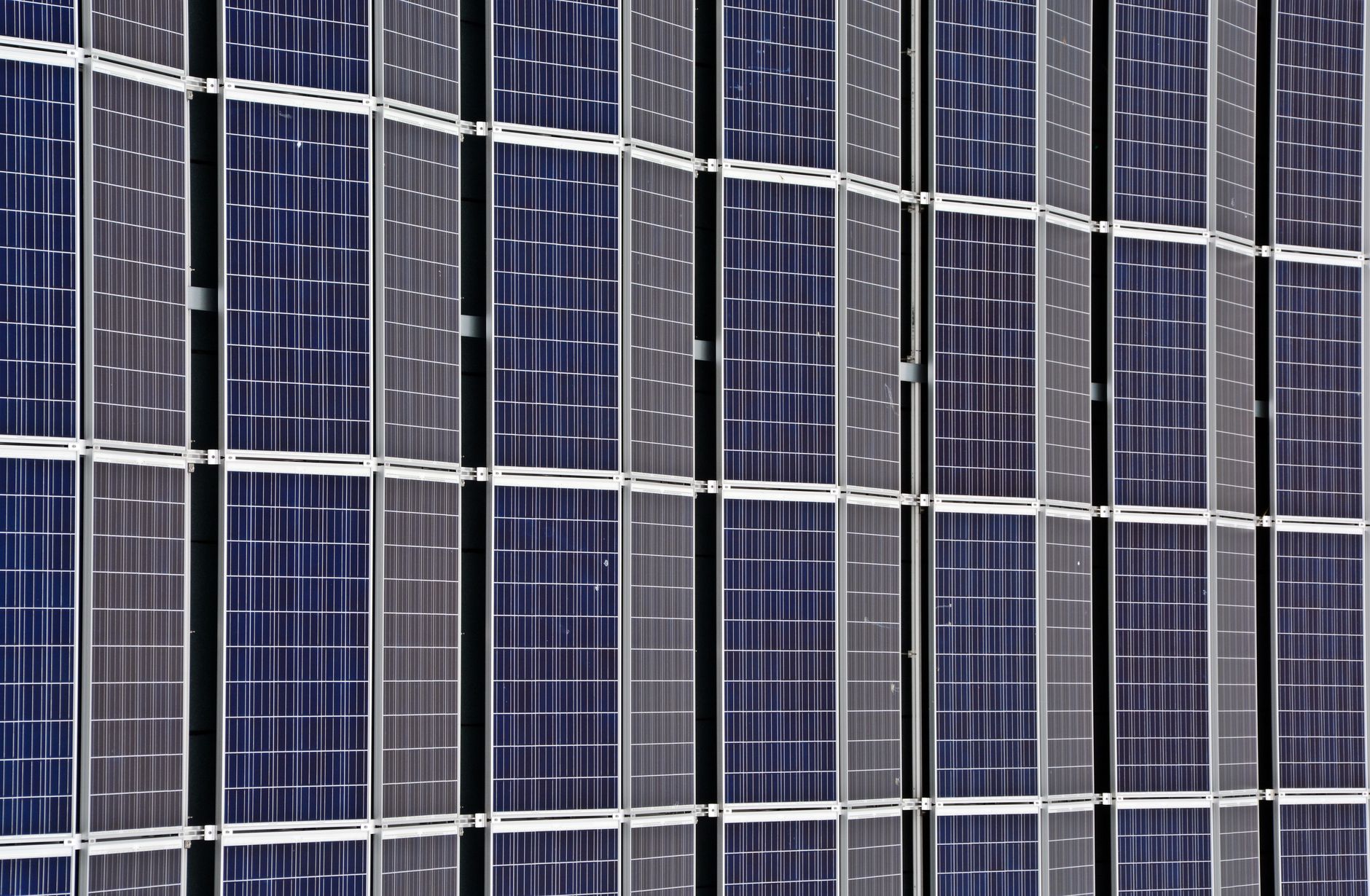
In a dusty corner of Kenya, where the sun blazes relentlessly, a quiet revolution is underway. The world's first solar-powered ambulance, christened Stella Juva, has been successfully tested as a mobile clinic, offering a glimmer of hope to remote communities previously bereft of reliable healthcare access.
Developed by a team of 23 students from the Netherlands, Stella Juva is more than just a vehicle; it is a lifeline. Equipped with solar panels both on its roof and expandable ones on its sides, the ambulance generates enough energy to power itself and its onboard medical equipment. During its 800 km test journey across Kenyan terrain, it showcased its ability to function independently of the grid while ensuring essential medical services could be provided to those in need.
A Sustainable Solution
The concept of a solar-powered ambulance is not merely an academic exercise. It addresses a critical need: the delivery of healthcare in areas where electricity is scarce or unreliable. By harnessing the abundant solar energy available in regions like Kenya, Stella Juva can offer not just transport but also a fully operational mobile clinic. For communities often hours away from the nearest medical facility, this development could prove transformative.
While the vehicle's energy independence is a remarkable feat, its implications extend beyond just the technical. It represents a significant step towards sustainable healthcare solutions, reducing reliance on fossil fuels and cutting down emissions associated with traditional medical transport.
Implications for Future Healthcare
As the world grapples with the challenges of climate change and energy shortages, innovations like Stella Juva provide a roadmap for integrating renewable energy into essential services. The success of this project in Kenya could inspire similar initiatives in other parts of the world, particularly where infrastructure is lacking.
For now, Stella Juva stands as a testament to what can be achieved when technology and humanitarian needs converge. As it continues its journey across Kenya, it not only delivers healthcare but also a powerful message: that sustainable solutions are within reach, even in the most challenging environments.