Kenya's Textile Waste Crisis: A Looming Public Health Threat
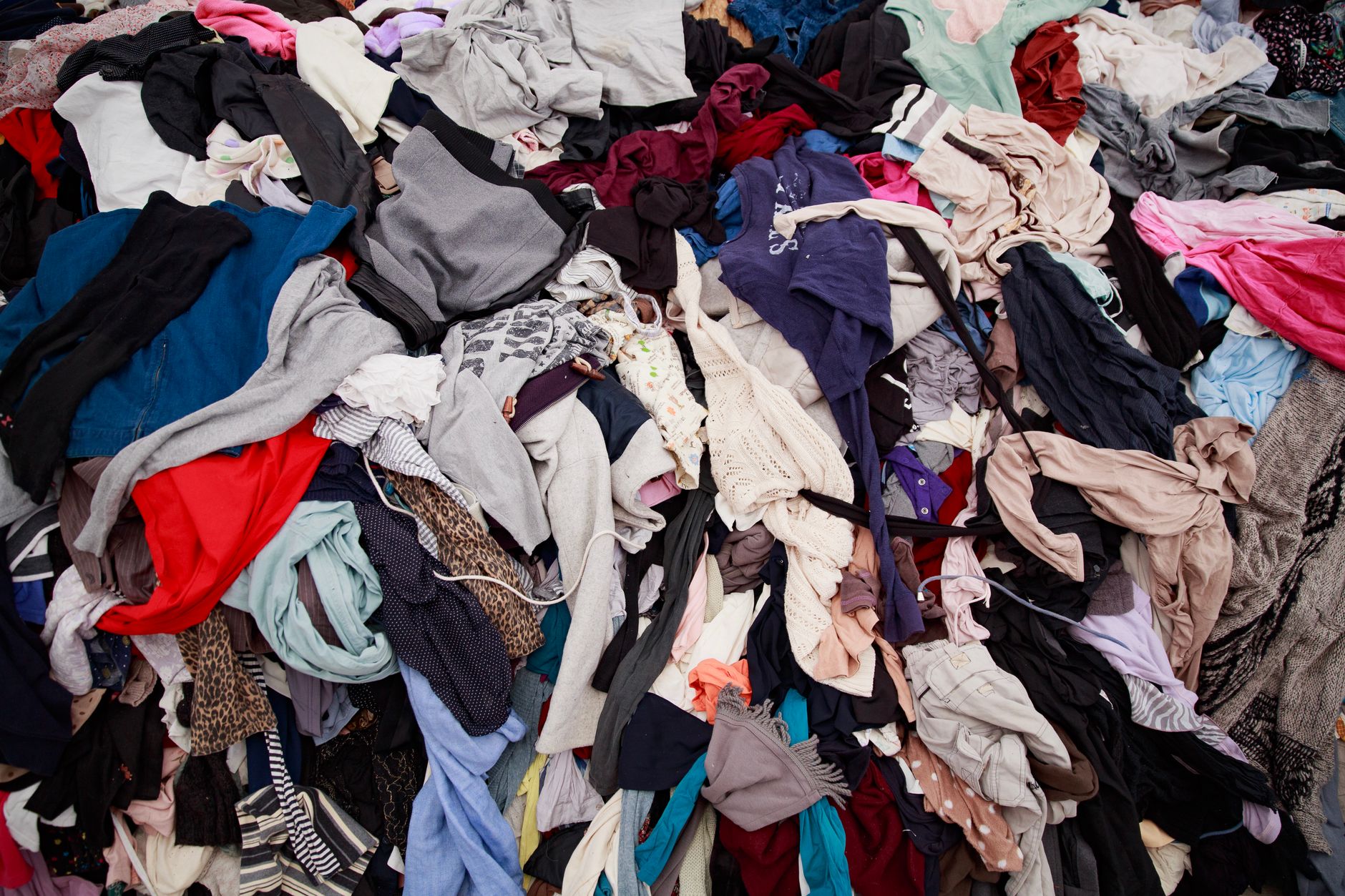
In the bustling markets of Nairobi, second-hand clothing stalls offer a kaleidoscope of fashion options, catering to those eager for a bargain. Yet, behind this vibrant display lies a far less colourful reality. Kenya, a major importer of second-hand clothes from the Global North, is grappling with a mounting textile waste crisis that threatens both the environment and public health.
The influx of these garments, often unsellable and laden with synthetic materials, has led to significant pollution. Textile waste blocks drainage systems, leading to flooding, while toxic fibres contaminate air and water sources. This is more than just an environmental issue; it is a public health hazard waiting to explode.
The Economic vs Environmental Dilemma
The second-hand clothing industry, known locally as mitumba, plays a pivotal role in Kenya’s economy. It provides affordable clothing options and sustains numerous livelihoods. However, the sheer volume of imports, much of which is essentially waste, has overwhelmed waste management systems.
Teresiah Wairimu Njenga, of the Mitumba Consortium Association of Kenya, argues that global efforts to redefine textile waste risk undermining these local economies. "We must find a balance," she insists, "between environmental responsibility and economic survival."
A Call for Sustainable Solutions
Kenya's predicament underscores a broader global challenge: the need for sustainable waste management solutions in the face of a thriving second-hand trade. International guidelines, such as those proposed by UNEP, aim to address this, but they are met with resistance from local stakeholders who fear economic repercussions.
Experts suggest that improved regulation, alongside investment in recycling and waste management infrastructure, could mitigate these issues. Without such measures, the health of Kenya's people and environment remains precariously poised on the edge of a looming crisis.