Kerala Braces for Health Challenges as Monsoon Brings Disease Surge
In the lush landscapes of Kerala, the arrival of the northeast monsoon has always been a mixed blessing. While the rains bring respite from the summer heat, they also usher in a seasonal surge of infectious diseases, a reality that health experts are increasingly concerned about.
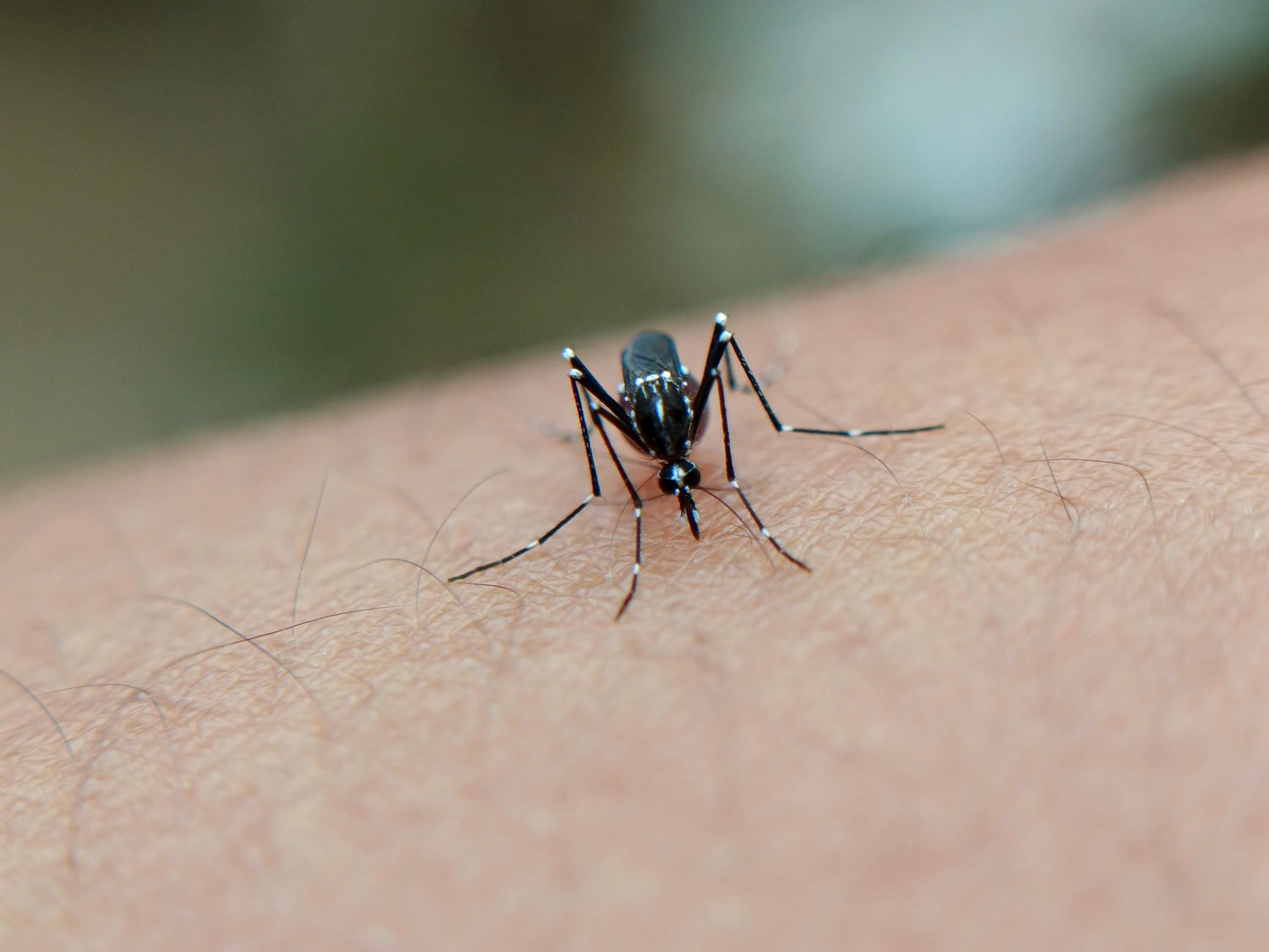
Dr. Aishwarya R, a consultant in infectious diseases at Aster Whitefield Hospital, warns that the state is seeing a rising number of cases of Shigella, a bacterial infection that affects the intestines. This is alongside renewed concerns about the Nipah virus and West Nile fever. The intermittent rainfall, coupled with standing water, provides an ideal breeding ground for vectors like mosquitoes, exacerbating the spread of diseases such as dengue and malaria.
Precautionary Measures
The state's health authorities have issued an alert, urging the public to remain vigilant. They advise maintaining cleanliness, using mosquito nets, and ensuring proper sanitation to minimise the risk of outbreak. Public health campaigns are underway to educate the masses on recognising symptoms early and seeking timely medical assistance.
In recent years, Kerala has been no stranger to battling epidemics during monsoon. The combination of dense population, significant rainfall, and inadequate drainage systems has often led to outbreaks that strain the healthcare infrastructure.
Community's Role
Community involvement is crucial in curbing the spread of these diseases. Local bodies are encouraged to organise cleaning drives, clear blocked drains, and ensure efficient waste management. Awareness programmes are also pivotal in equipping residents with knowledge on preventing infections.
Ultimately, Kerala's response to these health challenges will depend not only on governmental measures but also on individual and community efforts to prevent the spread of diseases. As the rains continue to pour, the resilience and cooperation of its people will be tested once more.