Kerala University's Political Ban Sparks Student Outrage
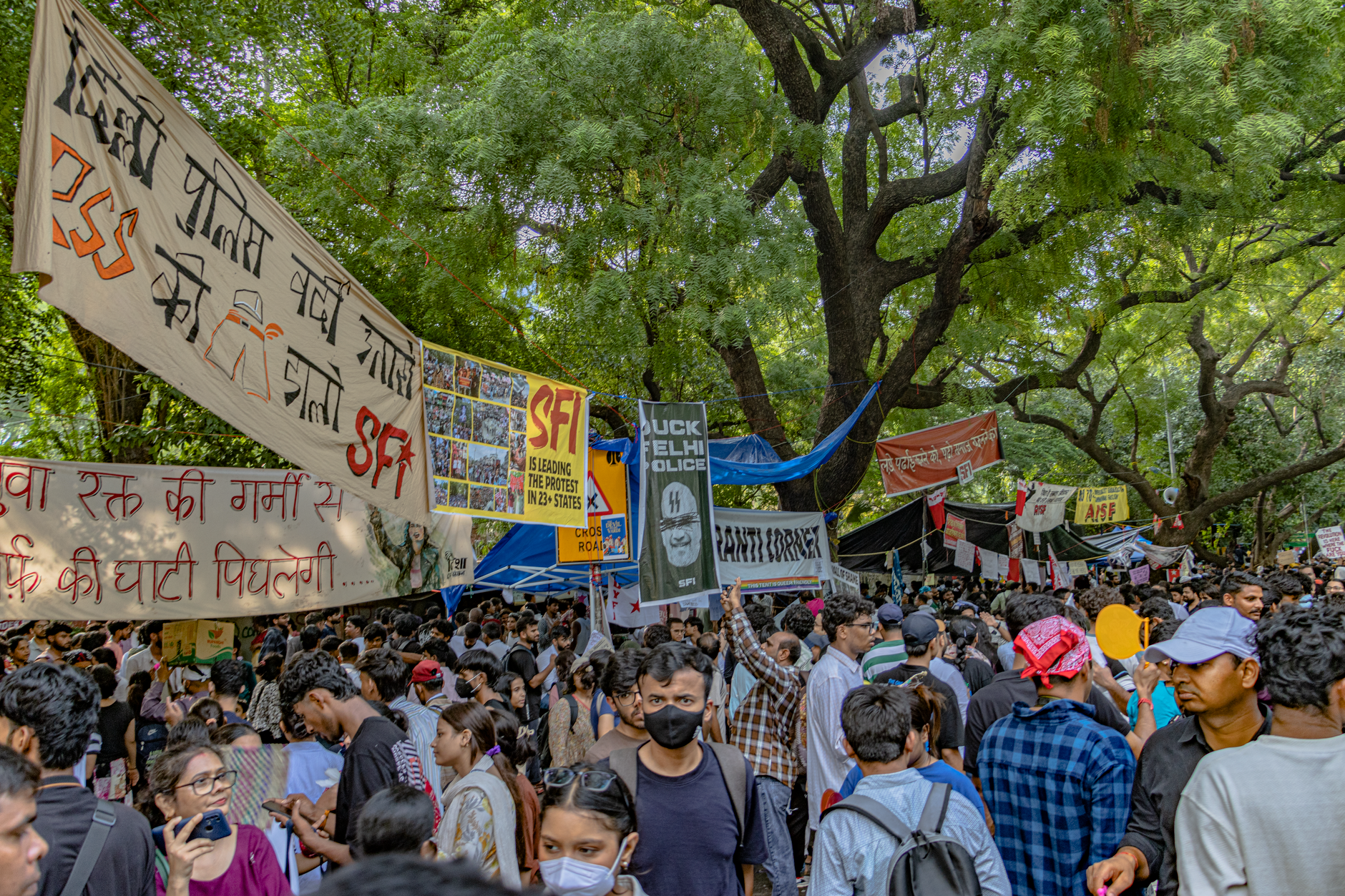
Kerala University’s draft proposal to ban all forms of campus politics has become the latest flashpoint in the state's enduring debate over student activism. The proposed Students' Code of Conduct, which includes a sweeping prohibition on political activities, has prompted outrage from student groups, especially the Students' Federation of India (SFI), who claim the move is a direct attempt to stifle their voice.
The draft guidelines, if implemented, would categorically restrict any political action, event, or programme within the university's premises. This, according to the university administration, is intended to maintain an environment focused solely on academic pursuits. However, critics argue that such a ban infringes upon the democratic rights of students, effectively silencing a vital platform for political expression and dialogue.
In response, SFI activists have been vocal in their opposition, viewing the draft as a targeted assault on their ability to organise and protest. This comes on the heels of recent unrest at a university function, where SFI members clashed with authorities over the display of a Bharat Mata portrait and the rendition of 'Vande Mataram'. Such incidents have sharpened the focus on the university's proposed regulations, fuelling accusations of bias against the SFI.
The broader implications
The controversy over the draft guidelines underscores a broader struggle within Kerala's educational institutions, where political engagement has long been part of the academic fabric. For many students, participation in political activities is not merely a right but a crucial aspect of their educational experience, offering lessons in leadership and civic responsibility.
Educational analysts warn that imposing a blanket ban could have unintended consequences, potentially driving political discourse underground or off-campus, thereby diminishing the very academic atmosphere the university seeks to protect. The move risks alienating a generation of students from political processes at a time when engagement is increasingly vital.
As the debate rages on, the university administration faces mounting pressure from both students and political leaders to reconsider its stance. Whether the draft will be revised or implemented remains uncertain, but what is clear is that the issue has ignited a significant dialogue about the role of politics in academic settings and the rights of students to organise and express dissent.