Kikai Caldera: Japan's Supervolcano Gathers Strength
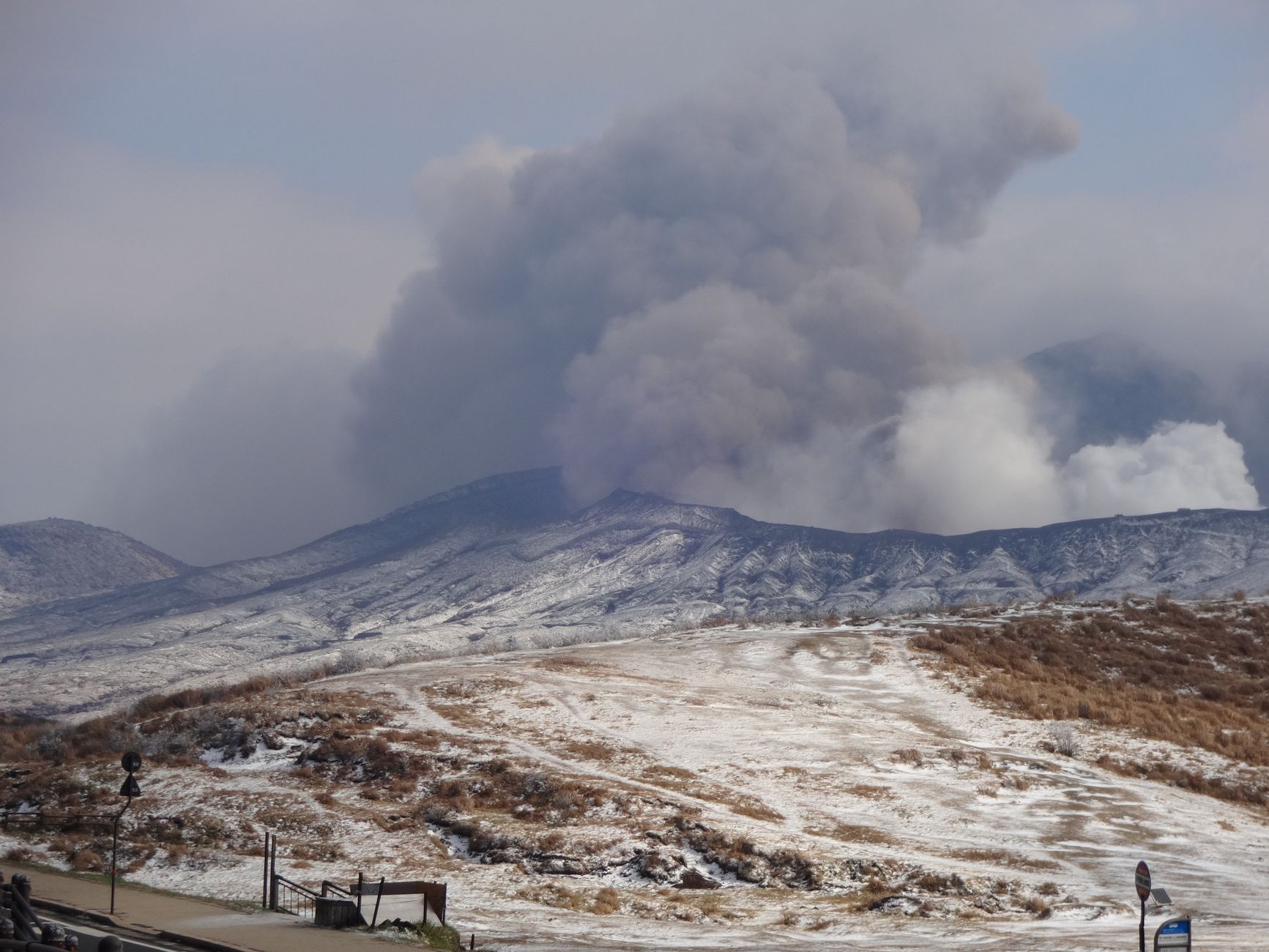
In the shadowy depths of the Pacific Ocean, just south of Japan, an ancient giant stirs. The Kikai Caldera, one of Earth's most formidable supervolcanoes, is showing signs of activity that could presage an eruption of apocalyptic proportions. Researchers from Kobe University have discovered fresh magma entering the massive underground system beneath the caldera, a finding that has set the scientific community on edge.
This geological leviathan last unleashed its fury approximately 7,300 years ago, during the Holocene epoch, in what is considered the largest volcanic eruption of that era. The cataclysmic event created a caldera—a vast, bowl-shaped crater formed when the ground collapses after a massive eruption. Such an event could potentially release enough magma to bury a city the size of New York under miles of volcanic material.
The Science of Supervolcanoes
Supervolcanoes differ from their smaller counterparts in both scale and impact. While typical volcanic eruptions might decorate the sky with ash and lava, a supervolcanic eruption can alter the planet's climate. The eruption’s sheer magnitude can eject over 1,000 cubic kilometres of volcanic material, leading to global cooling and widespread famine.
Recent seismic surveys indicate that the magma chamber beneath Kikai is recharging, a process which could take hundreds or even thousands of years to culminate in another eruption. Nonetheless, the fact that magma is on the move warrants caution. The Japanese government and international scientists are now tasked with monitoring this awakening giant, using advanced technology to predict any changes that might signal an imminent eruption.
Global Implications
The potential reawakening of the Kikai Caldera is a stark reminder of the unpredictable power of the natural world. While current indicators suggest no immediate threat, the possibility of a supervolcano eruption looms large due to its potentially catastrophic impact on global agriculture, climate, and human health.
This discovery underscores the importance of continued research and monitoring of volcanic activity. As scientists delve deeper into understanding these phenomena, the hope is to mitigate the risks posed by such natural disasters. For now, the world watches and waits, hoping that Kikai remains quiet for centuries to come.