Lab-Crafted DNA: The New Frontier in Data Storage
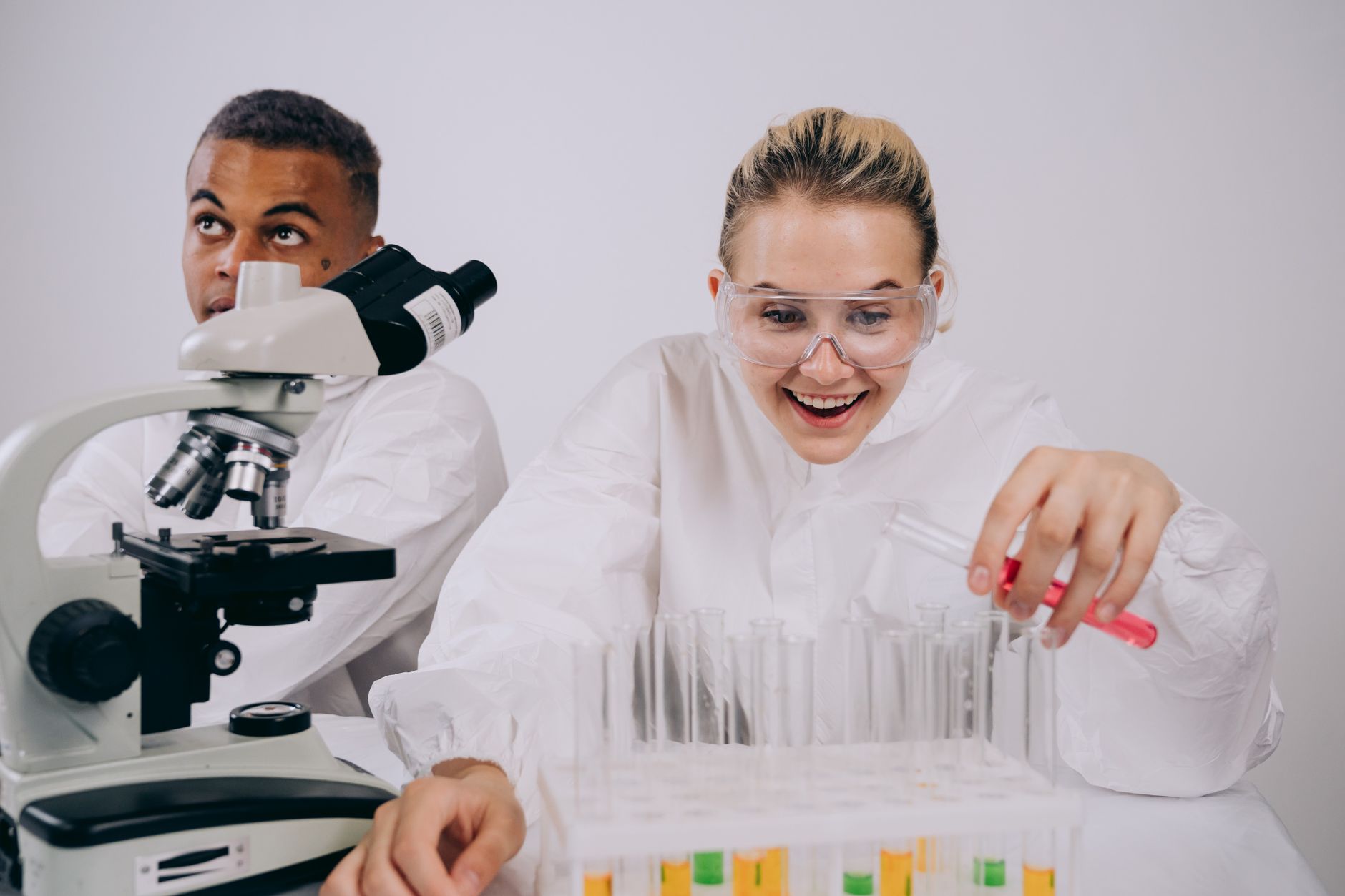
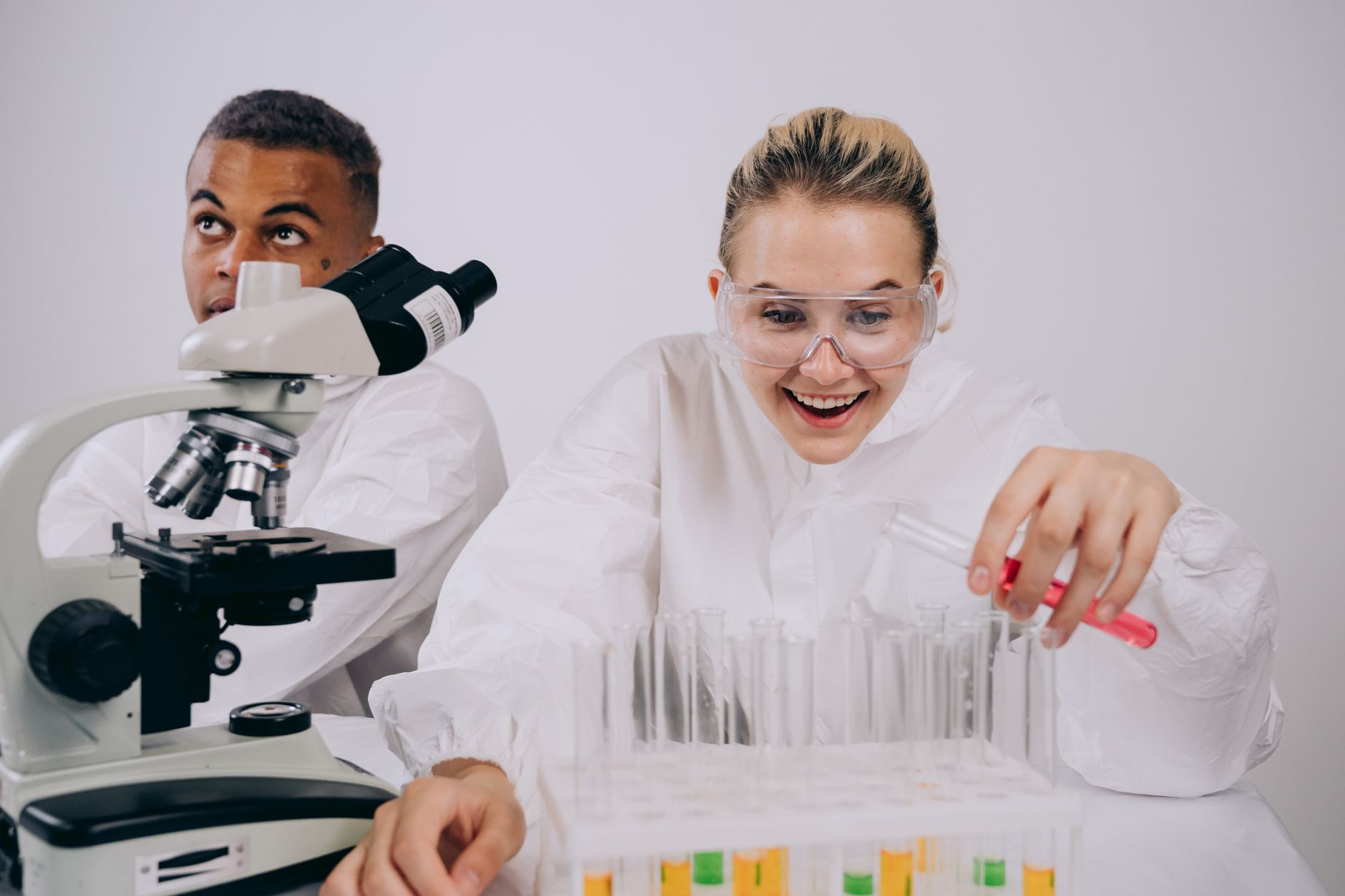
In an unassuming laboratory, researchers have taken a giant leap forward in the realm of data storage, harnessing the extraordinary capabilities of DNA. This isn't the plot of a science fiction novel, but a scientific breakthrough that could transform our digital lives. DNA, the very blueprint of biological life, is being repurposed as a storage medium, potentially supplanting traditional hard drives.
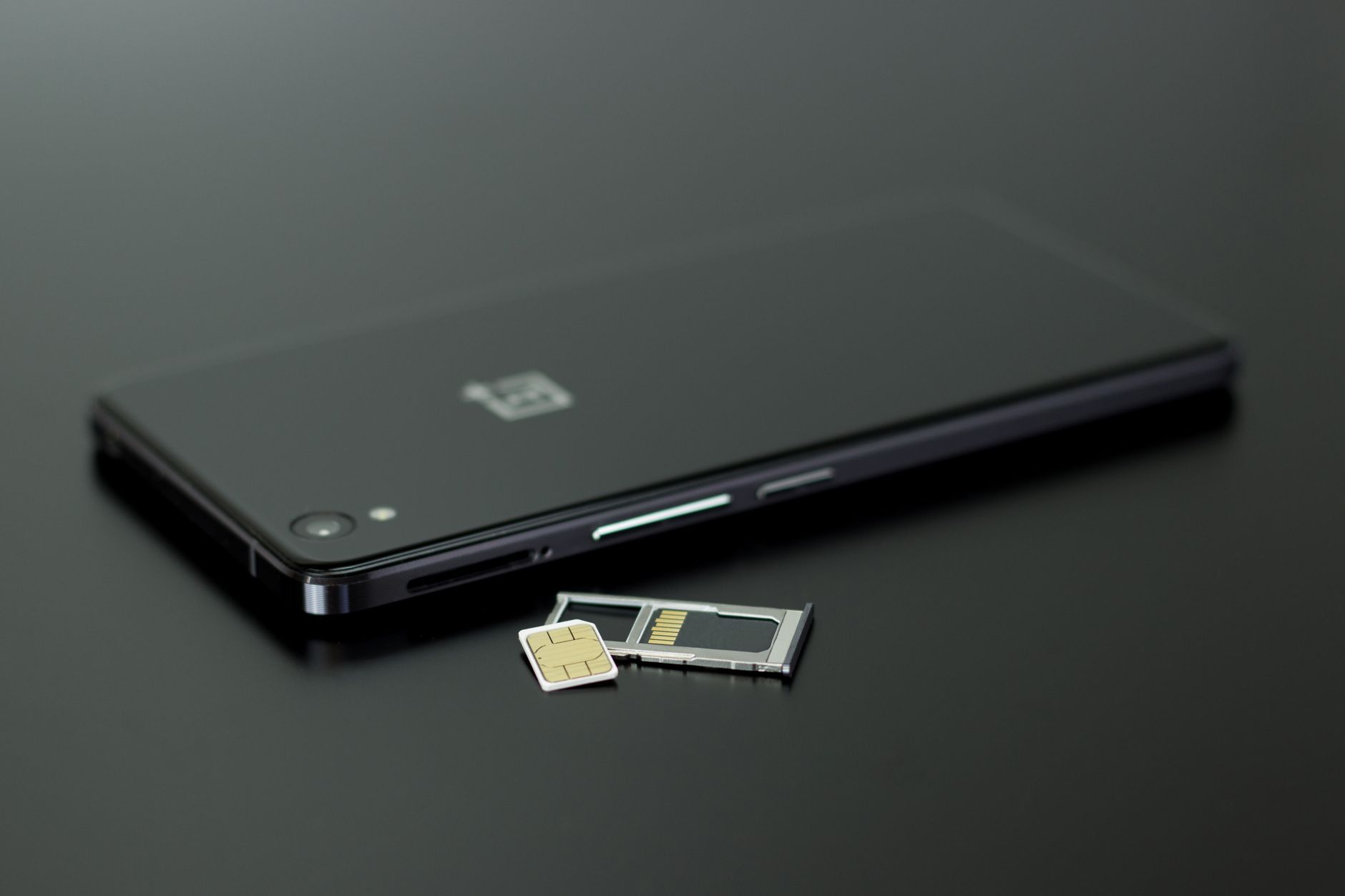
The potential of DNA to store information is nothing short of staggering. To put it in perspective, a single gram of DNA can hold around 215 million gigabytes of data. Imagine all the information in the world comfortably fitting in a mere kilogram of DNA. This is not just a theoretical capability; scientists are actively developing DNA-based memory devices that function much like a flash drive, but with the capacity to store vast amounts of data with minimal energy usage.
DNA's Unmatched Storage Capabilities
Conventional data storage methods, while effective, face significant limitations. Hard drives and SSDs are power-hungry and degrade over time. In contrast, DNA offers a remarkable alternative. Its dense information storage potential and stability over millennia make it an attractive option for long-term data preservation. The notion that DNA could eclipse current digital storage solutions is gaining traction, yet practical applications remain largely in the experimental stage.
For now, DNA storage is reserved for niche applications, primarily in research and pilot projects. Challenges remain, not least in the realms of cost and the speed of data retrieval. However, the promise of DNA storage is undeniable. As technology advances, the ability to store and retrieve data using DNA could become faster and more economical, opening new horizons for industries dependent on large-scale data management.
The Future of Data Storage
Looking ahead, DNA's potential to revolutionise data storage is immense. While we may not see DNA-based storage devices on store shelves tomorrow, the groundwork is being laid for a future where biological and digital worlds converge. This intersection could redefine how we think about information preservation. As researchers continue their work, the promise of DNA as a viable, sustainable storage option draws ever closer. In the not-so-distant future, storing vast quantities of data in a tiny vial of DNA could become as routine as saving files to a cloud drive today.