Late-Night Eating: A Silent Threat to Liver Health
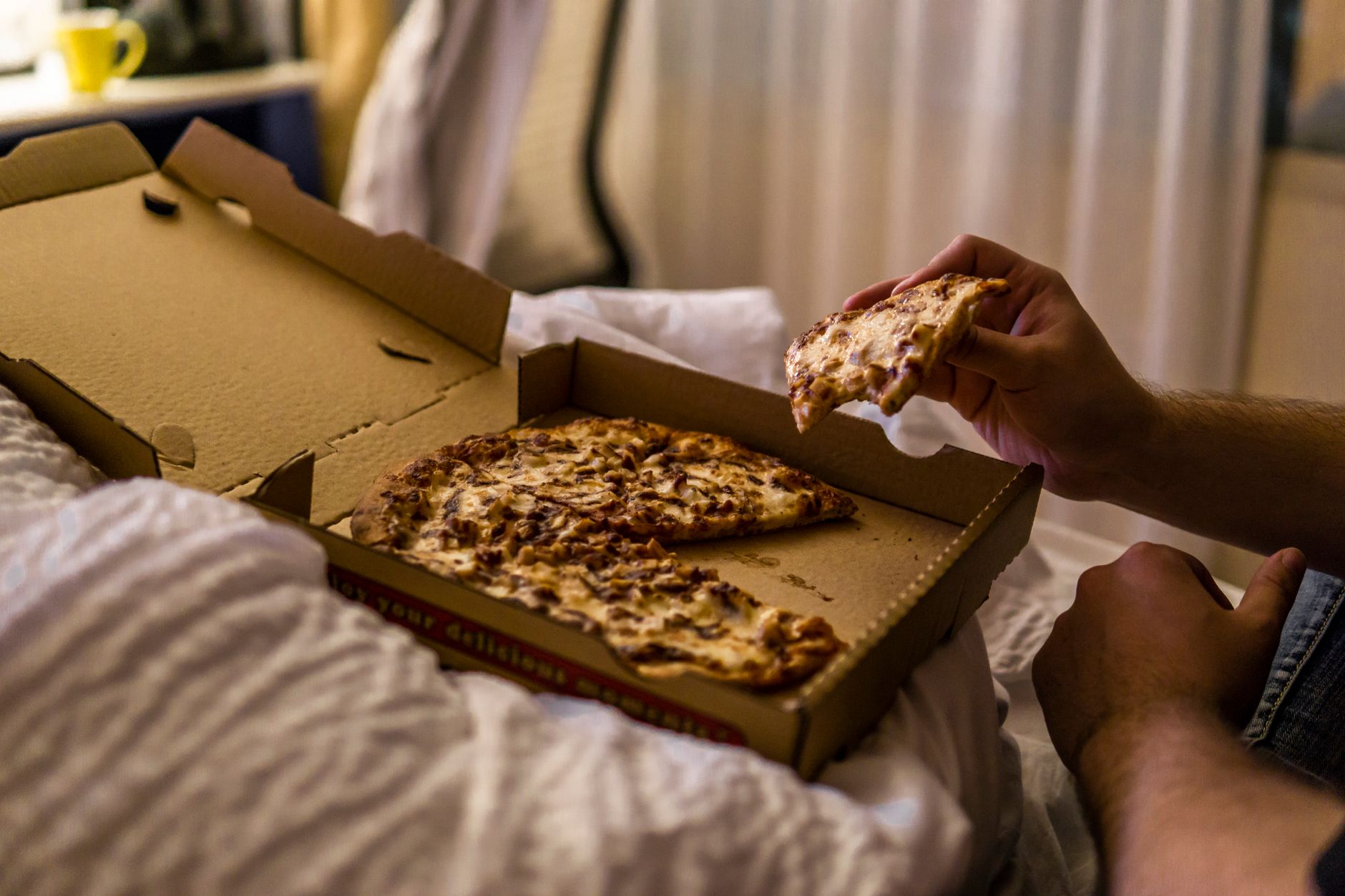
In a startling revelation, a comprehensive study conducted by Oregon Health & Science University has unveiled that indulging in late-night snacks could be more detrimental than previously thought. The research, encompassing nearly 200,000 participants, has drawn a direct line between nocturnal eating habits and a heightened risk of liver disease.
The study suggests that those who habitually consume food after dinner or close to bedtime face up to a 30% higher likelihood of developing liver conditions, such as metabolic dysfunction-associated steatotic liver disease and cirrhosis. This finding challenges the commonly held belief that late-night eating merely contributes to weight gain, positing instead that it may have a direct impact on liver health.
The Timing of Meals
It is not just the content of our meals that require scrutiny, but the timing as well. Experts have long cautioned against the dietary pitfalls of consuming food late at night, pointing to increased risks of obesity and heart disease. However, this new research adds another layer of concern, specifically targeting liver health.
The liver, a vital organ responsible for detoxifying the body and processing nutrients, appears to be particularly vulnerable to the pressures of irregular eating schedules. The study’s findings suggest that the liver may struggle to cope with the metabolic demands imposed by late-night eating, potentially leading to long-term damage.
Why This Matters
Understanding the implications of this study is crucial. Liver disease is a silent epidemic, often going unnoticed until it reaches an advanced stage. With this added knowledge, individuals can make informed choices about their eating habits, potentially reducing their risk of severe liver complications.
The study serves as a poignant reminder of the intricate balance required in our dietary practices. As researchers continue to explore the complex relationship between meal timing and health, one thing remains clear: when it comes to eating, timing might indeed be everything.